Introduction
I was at a depot last month, watching drivers juggle charging cards and cables—very human moment, right? The all-in-one charging station sat nearby, shiny but not solving every problem. Data whispers loudly: fleets that use centralized charging see uptime improvements, yet many still report long idle times and scheduling chaos (around 30–40% extra downtime in small fleets, by some counts). So, what really stops a smooth day at the depot — is it hardware, software, or human habits?
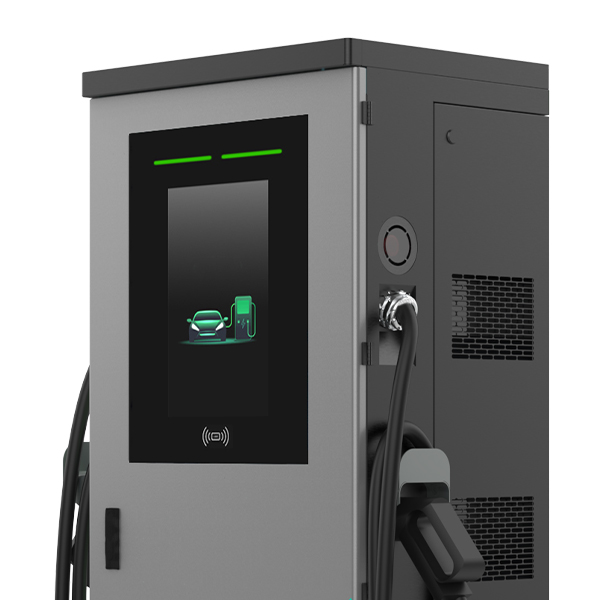
I ask because I want practical answers, not marketing fluff. You and I both know a charger alone does not make operations efficient; you need coordination, good power management, and simple interfaces that drivers can trust. My view: we must look beyond specs to how people actually use the system. How do we turn an all-in-one charging station into something crews actually like to use — not fear? Next, I’ll break down where traditional designs stumble, and what hidden pains operators live with day-to-day. Stay with me — we go deeper.
Digging Deeper: Why Traditional Chargers Fall Short
Why do legacy chargers fail?
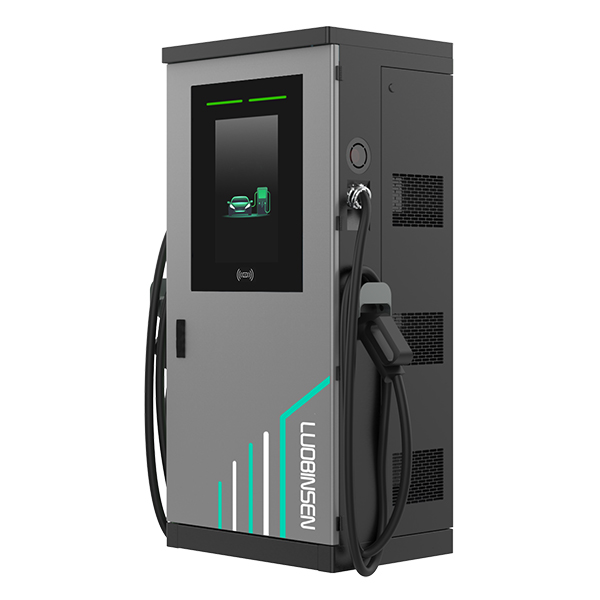
Technically speaking, a lot goes wrong not because the charger is weak, but because the system is fragmented. Take the dc electric charger as my focal point—many deployments bolt it into old EMS and expect miracles. Power converters and inverters may be fine, but without proper load balancing and an energy management strategy, peak demand spikes make costs balloon. I’ve seen setups where one bus hogs 80% of available power while the others sit waiting. Look, it’s simpler than you think: balance the load and much friction disappears.
We also run into usability problems. Software has complex menus. Drivers want one button and clear feedback. The CAN bus and communications layers often aren’t compatible between older assets and new chargers. Add modular architecture that’s poorly integrated, and maintenance becomes a nightmare. From my hands-on view, too many solutions optimize for hardware metrics, not human workflows — and that mismatch is why deployments underperform. — funny how that works, right?
Looking Forward: Principles That Will Shape Next-Gen Charging
What’s Next?
Now I want to talk about principles, not products. New systems favor three things: harmonized power electronics, edge computing nodes for local decision-making, and seamless software APIs. When chargers make smart, local choices — like shifting charge based on state-of-charge and predicted routes — you reduce peak load and lower costs. This is where ev fleet charging strategies shine: they use predictive scheduling and simple dashboards so ops teams act faster. I’ve tested early deployments where predictive algorithms cut peak load by 20%. That matters for grid connection costs.
Practically, I advise focusing on interoperability (open protocols), modular power stages (so you can scale in blocks), and user-centered GUIs. Smaller steps too: better diagnostic logs, OTA updates, and local fallback modes so drivers can still charge if the cloud drops out. These principles reduce surprises and improve uptime—and they free people to focus on routes, not chargers. Well, that’s the promise; the challenge is aligning vendors and ops to make it real.
Choosing Wisely: Three Metrics to Evaluate Charging Solutions
Before you pick a vendor, I recommend three clear metrics we use when advising fleets. One: effective power utilization — measure how much of installed capacity is actually used during peak hours. Two: mean time to recover (MTTR) — how fast can a technician or driver get a stalled charger working again. Three: user error rate — how often drivers fail to complete a charge session without help. These metrics tell you more than specs sheets ever will. I always tell clients: prioritize the day-to-day wins; long-term savings follow.
Summing up, I believe the future of charging is practical and people-first. New tech will help, but only if it serves simple workflows and clear metrics. If you want a partner that understands both the hardware (power converters, grid interconnection) and the human side, take a closer look at vendors who build with ops in mind. — and yes, I still get excited when a depot runs smoothly. For more on real-world options, check Luobisnen: Luobisnen.