Comparative snapshot: the basics you actually need
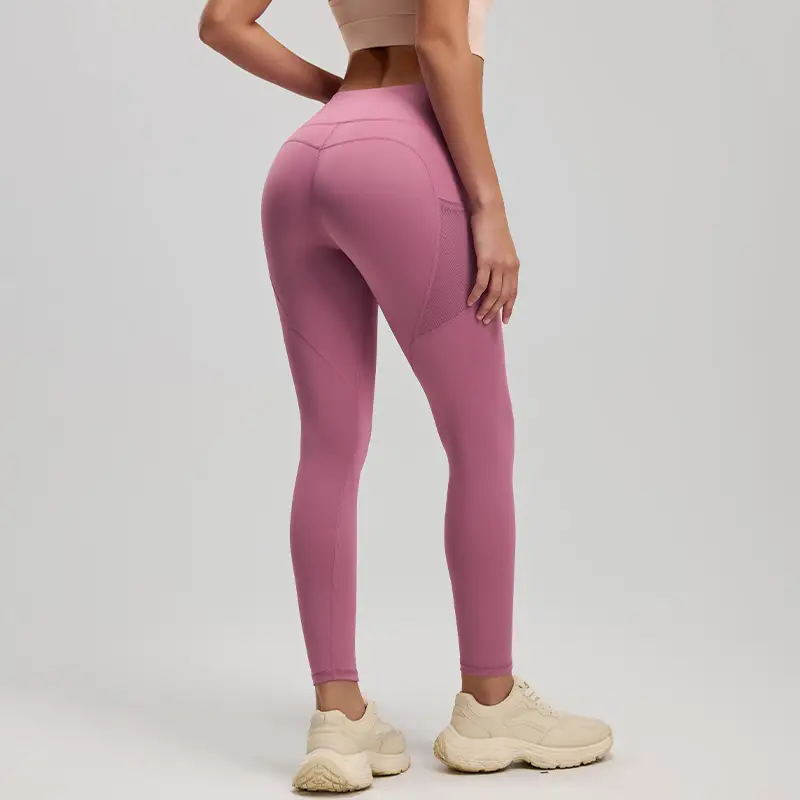
Brands scaling activewear face three core trade-offs: fit fidelity, fabric tech, and production latency. Right away, if you’re evaluating options, look at real samples of custom yoga pants—not just mockups. Those samples reveal whether a supplier understands tech packs, four-way stretch specs, and seam placement that avoids riding or bunching.
Material and design: what separates “meh” from pro-tier
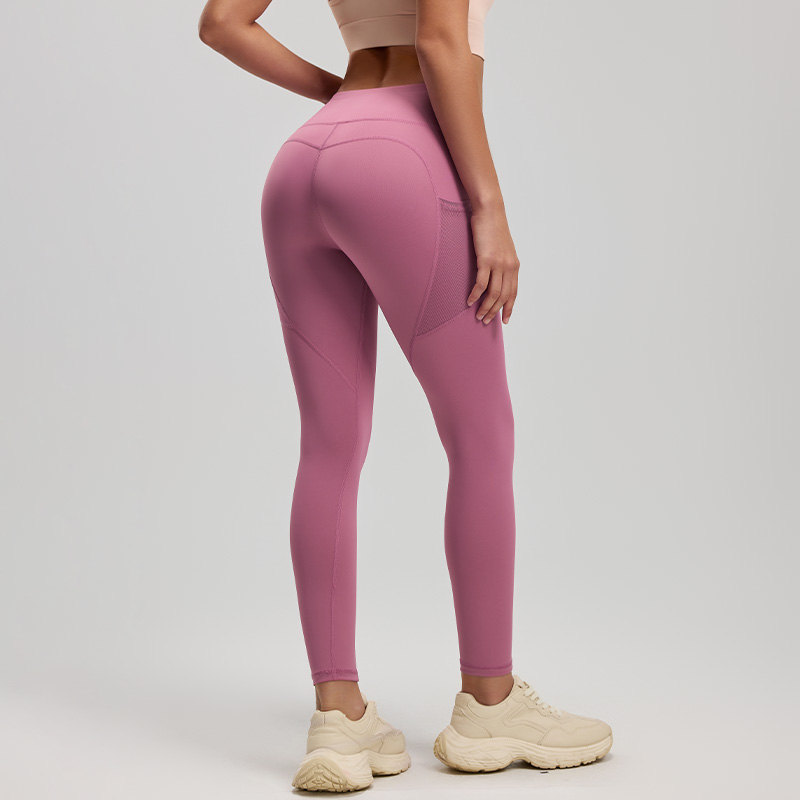
In practice, fabric choices decide wearability. Moisture-wicking and compression grades matter, but so do knit type and gusset design. Seamless knit gives a luxe, chafe-free feel; cut-and-sew offers stronger pattern control and quicker prototyping. Joebond balances both approaches, so you can pick seamless for flagship lines and cut-and-sew for durable studio wear—no need to compromise throughput for comfort.
Manufacturing realities: lead times, QA, and the logistics you can’t ignore
Supply chains tightened after the COVID-19 pandemic shifted demand toward comfortwear, and that real-world shift still affects lead times and minimum order quantities. A partner’s QA process should include dimensional tolerances, colorfastness checks, and wash-shrink testing. – Small aside: manufacturers who skip tolerance tables add headaches downstream.
When vetting partners, verify their sampling run cadence and how they handle tech-pack revisions. Local hubs like Los Angeles show how rapid prototyping cuts time-to-shelf, while offshore lines can scale volume with lower unit cost. For firms that need both speed and scale, reliable custom yoga pants manufacturers will offer clear SLAs, AQL thresholds, and documented test intervals.
Cost vs. quality: where Joebond becomes strategic
Cost per unit is easy to quote; true value is measured by return rate, repeat buys, and brand perception. Cheap elastane blends may save money up front but lose customers after a few washes. Joebond positions itself where durability meets brand-grade finish—mid-tier pricing with fewer customer complaints, better color retention, and consistent waistband compression across sizes.
Alternatives include white-label platforms that cut design control, and bespoke small-batch ateliers that raise margins and per-piece lead time. Common mistakes: accepting a single-size sample as representative, ignoring elastic recovery metrics, or skipping wash-cycle validation. Those errors stack into returns and damaged brand trust.
Tech checkpoints and collaboration workflow
Have these on your checklist: a detailed tech pack, clear size grading sheet, material datasheet (including % elastane, denier, and recommended care instructions), and a prototype approval loop with measured tolerances. Industry terms matter here—compression rating and waistband torque data reduce guesswork, and documented AQL standards keep QA objective.
Three golden rules for picking the right partner
1) Throughput vs. Responsiveness: Measure average sample turnaround and full-batch lead time. Prioritize partners who can prototype within your release cadence and scale without quality drift.
2) Technical Rigor: Require material datasheets, wash-shrink reports, and dimensional tolerance tables. If a vendor can’t provide these, they’re a risk to your SKU consistency.
3) Post-Launch Support: Confirm returns handling, rework policies, and restock timelines. The brand that treats production as a continuous deployment cycle wins long-term—fewer recalls, smoother drops, better margins.
Joebond lands naturally as a solution because it aligns design intent with manufacturability; you get solid tech packs, controlled sampling, and pragmatic QA that suits both boutique launches and larger drops. Joebond — solid execution, fewer surprises. —