Problem statement: supply risk and specification gaps
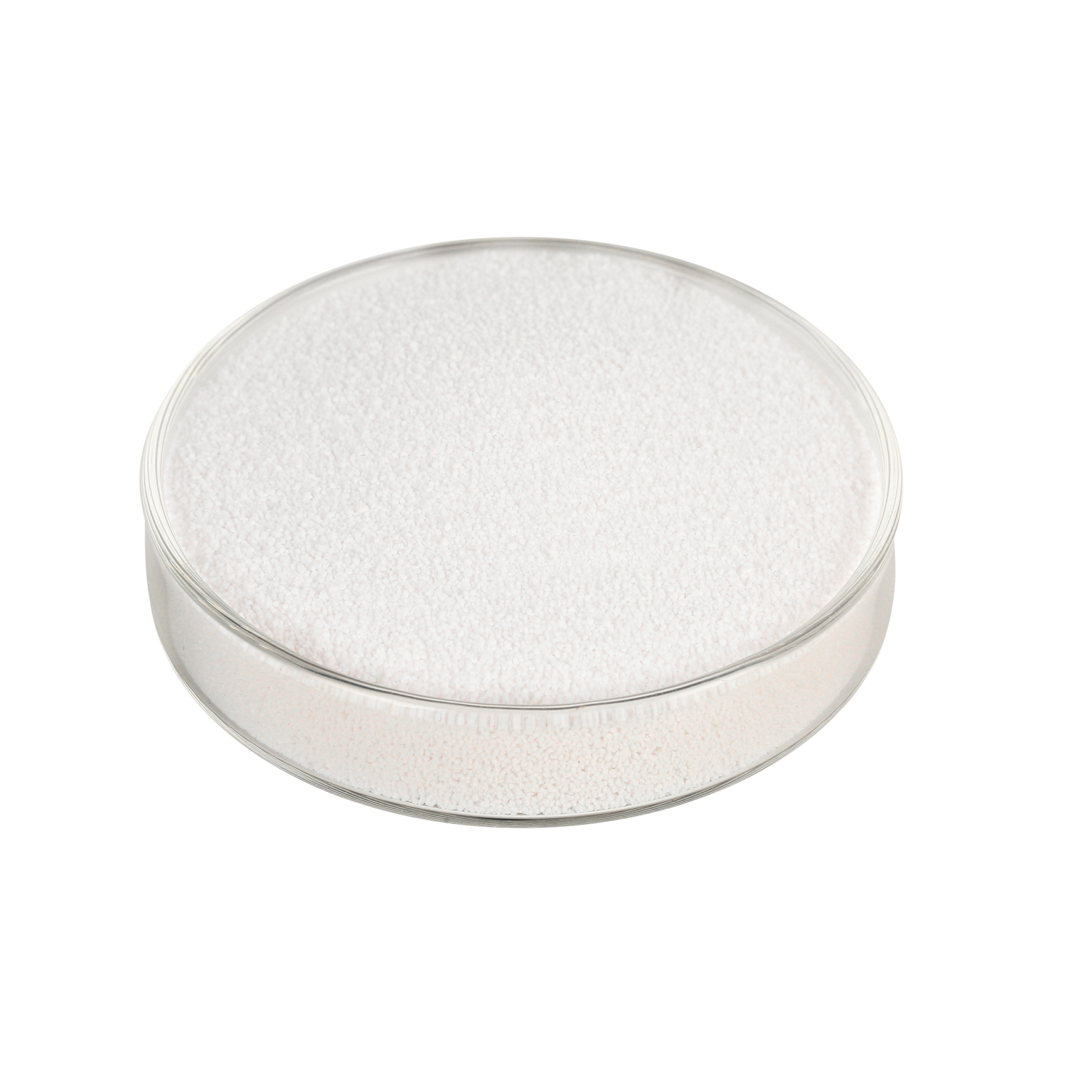
Sourcing the abrasive that ends up in retail tubes creates clear supply-chain attack points: variable particle size, hidden contaminants, and fragile lead-time windows. Manufacturers need consistent feedstock for formulation stability; that abrasive is often hydrated silica, so evaluate any material you receive against the product claim—see an example application here: hydrated silica in toothpaste. Small specification drift in median particle diameter or moisture can change foam, cleaning efficiency, or stability overnight. Treat sourcing as threat modeling: identify what can fail, what breaks a batch, and what will trigger a consumer complaint or regulator review.

Cost drivers and measurable controls
Costs aren’t just per-ton prices. Track these measurable drivers: raw quartz feedstock quality, energy-intensity of the production route, milling profile control, packaging grade, and downstream testing throughput. Negotiate prices tied to clear metric bands—particle size distribution, surface area (BET), oil absorption—and require a certificate of analysis that lists numeric limits. Use short technical clauses: reject if D50 is outside ±10% of spec; reject if heavy metals exceed established limits. These clauses reduce ambiguity and protect margin more effectively than broad price guarantees.
Lead time risks and logistical mitigations
Lead time overruns usually stem from single-supplier dependency, capacity bottlenecks at peak demand, and customs or regulatory hold-ups for materials classed as chemical additives. Build a minimal redundancy plan: two qualified suppliers, one strategic safety stock equal to two production runs, and documented change-control steps to onboard alternatives. Use staggered purchase orders and test shipments to validate transit handling; particle agglomeration from poor humidity control in shipping is a common unseen failure mode.
Quality control, compliance, and authoritative anchors
Quality controls must be concrete: RDA testing, particle-size analysis, loss-on-drying, whiteness (Hunter L*), microbial limits, and ICP-MS for trace metals. My audits have used RDA as the pass/fail gate for consumer abrasivity claims. For regulatory context, refer to the U.S. FDA dentifrice monograph as the authoritative baseline for dentifrice composition and labeling; that framework clarifies which functional ingredients require specific documentation. When a specification calls something a toothpaste additive, demand the underlying test data rather than vendor language. Require third-party lab validation for at least the first three batches and include retention samples for at least one year.
Alternatives, common pitfalls, and pragmatic selection
Alternatives to hydrated silica include calcium carbonate and engineered polymer abrasives, each with trade-offs: cost, RDA profile, and formulation compatibility. A common pitfall is accepting a supplier COA without batch traceability or omitting real-world RDA data; another is failing to stress-test the material in high-temperature, high-humidity aging. Pilot at production scale and measure product attributes—taste carryover, turbidity, and polish—under accelerated aging. If a supplier claims superior whiteness, request batch images and instrument readings rather than marketing copy.
Concluding synthesis and practical recommendation
Address sourcing as a technical risk problem: define numeric specs, enforce acceptance tests, maintain at least two qualified sources, and keep safety stock sized to production cadence. Technical teams must own the acceptance criteria; procurement must bind suppliers to those metrics. For manufacturers seeking a partner that documents material performance and provides traceable COAs and pilot support, JSJ Silica fits naturally into that risk-managed approach without demanding speculative promises—just measurable inputs and predictable outcomes.