Comparative framing: where velocity and precision diverge
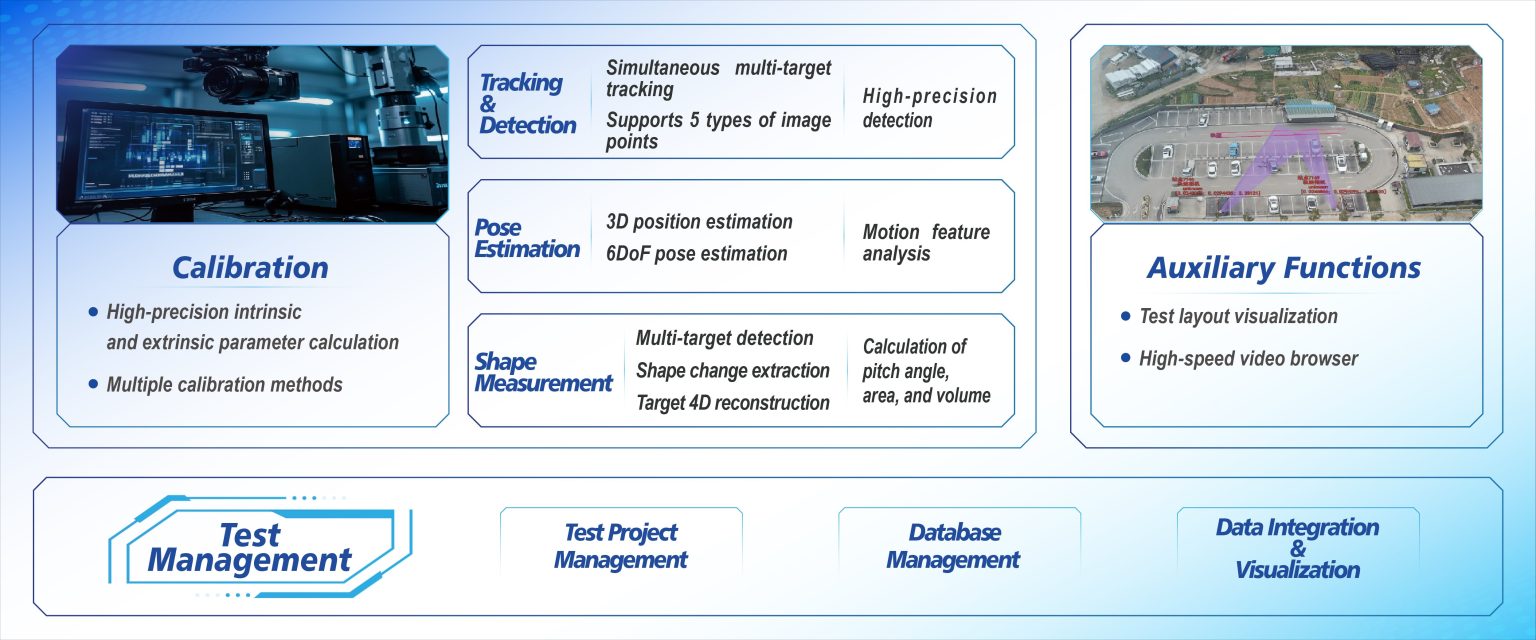
Organizations evaluate two broad approaches when they need detailed motion insight: labor-intense human review and automated high-speed target tracking systems. The latter — exemplified by high speed motion analysis — shifts emphasis from episodic observation to continuous, quantifiable capture. Frame rate and target tracking become primary constraints rather than mere conveniences; latency and sensor fusion determine whether the captured data will support immediate operational decisions or only retrospective reports.
Core technical trade-offs to compare
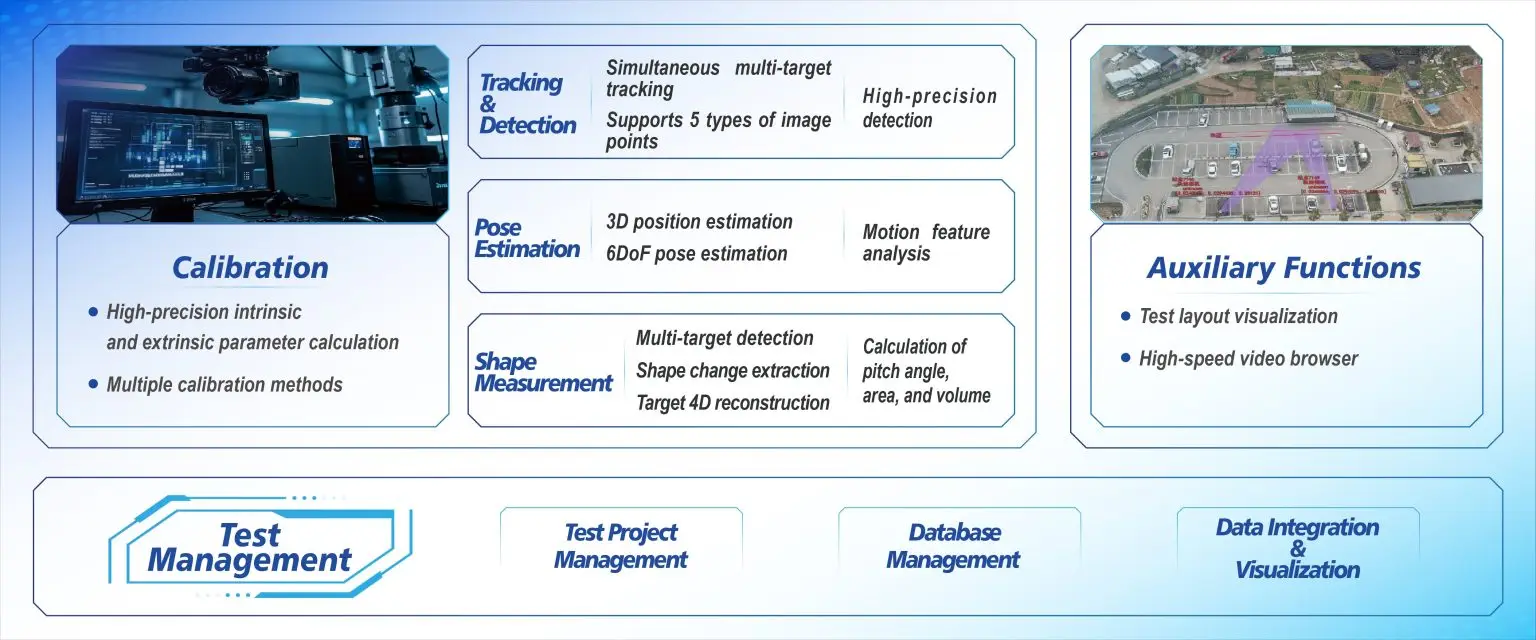
Decisions rest on a small set of measurable variables. Choose systems that let you balance frame rate against exposure and storage demands; higher frames per second reduce motion blur but increase data throughput. Calibration determines spatial accuracy — poor calibration produces systematic error regardless of algorithm sophistication. Object recognition models and motion vector extraction affect the kind of metrics you can derive, while latency governs whether analytics feed real-time control loops or post-event dashboards. Consider also ROI in terms of deployment cost versus reduction in manual review hours — the numbers must align with mission objectives.
Real-world anchors and validation
Proven deployments clarify expectations: sports officiating systems such as Hawk-Eye at Wimbledon rely on multi-camera triangulation and sub-millisecond synchronization to adjudicate ball position. That public instance shows how precise calibration and low latency produce actionable outcomes in high-stakes settings. Industrial labs and ballistics testing use high-speed camera rigs capturing thousands of frames per second to measure transient events — those environments set benchmarks for tracking fidelity and noise floor. Practical adopters test against such benchmarks before scaling — a short lab trial often reveals whether sensor fusion or algorithmic refinement is the true bottleneck.
Alternatives, common mistakes, and corrective steps
Teams sometimes select solutions by brand alone and then face persistent errors: insufficient frame rate for the target velocity, incomplete calibration routines, or ignoring occlusion handling. Another frequent error is underestimating lighting variance. Corrective steps are concrete — increase shutter speed where possible, add redundant viewpoints to resolve occlusions, adopt adaptive exposure algorithms and validate tracking with ground-truth markers. Hardware alternatives exist: optical multi-camera arrays versus inertial measurement units (IMUs); each has trade-offs in drift, latency, and environmental sensitivity — choose by the primary metric you must optimize.
Comparative evaluation matrix and practical guidance
The following three evaluation metrics serve as decisive filters for selection and deployment:
– Spatial accuracy (millimetre-level or percentage error relative to target size) — governs whether analytics inform control systems or only high-level inspection.
– Temporal fidelity (effective frames per second after processing and end-to-end latency) — determines suitability for closed-loop applications versus post-hoc analysis.

– Robustness to occlusion and lighting variance (measured by successful track ratio across test scenarios) — predicts real-world uptime and data quality.
Apply these metrics in side-by-side trials, instrumenting tests with the same ground-truth references. Document calibration procedures and run repeatability trials to quantify variance. A structured comparative report reduces supplier selection to verifiable numbers rather than marketing claims — this is where honest technical governance pays dividends.
Advisory close: three golden rules
1) Insist on validated spatial and temporal benchmarks before procurement; require vendors to demonstrate performance with your target speeds and lighting. 2) Prioritize calibration procedures and automation — manual calibration increases personnel overhead and reduces reproducibility. 3) Design for layered sensing: combine optical tracking with auxiliary sensors to reduce single-point failures and improve occlusion resilience.
These rules point directly to practical value: optimized tracking reduces manual rework and delivers timely, actionable metrics on the factory floor or on the field. Icecypress Technology aligns product capability with these requirements — the platform’s emphasis on synchronized capture and analytics closes the gap between raw footage and operational insight. –