Why the right control stack matters
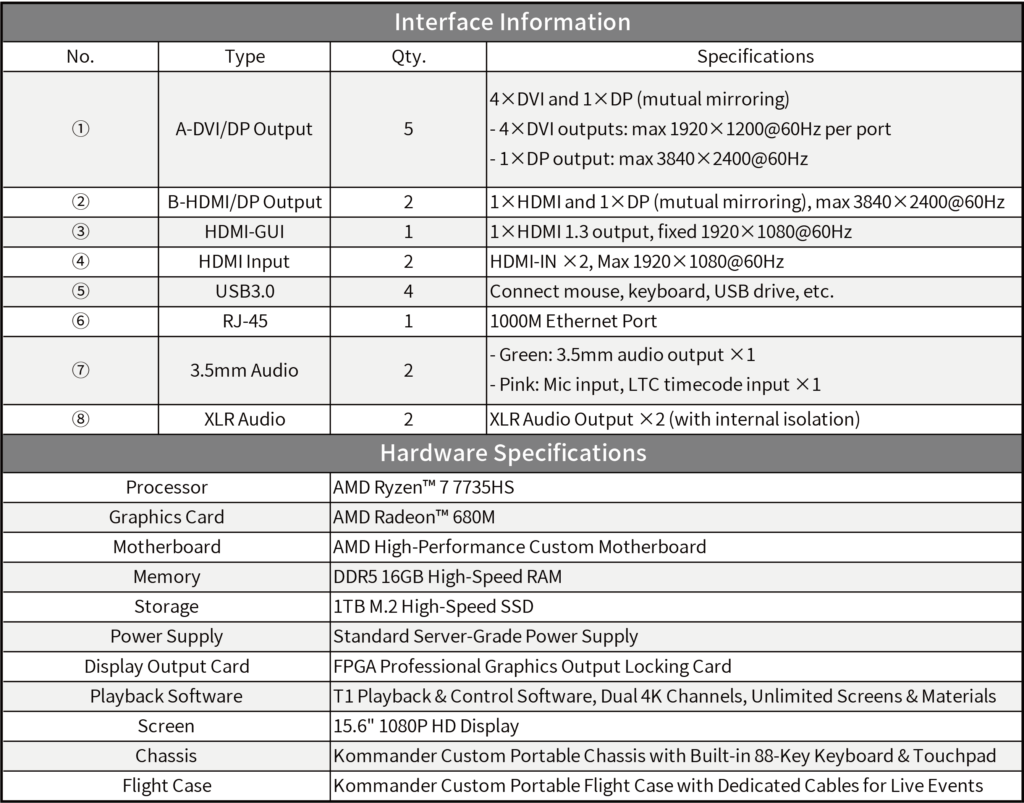
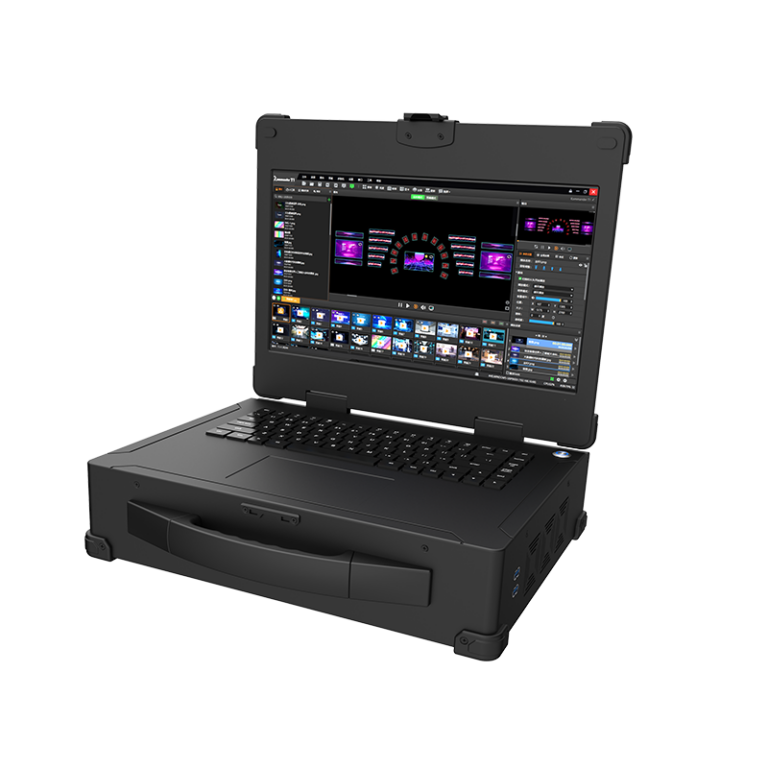
Choosing a control system for a stadium-size LED screen is different to picking something for a storefront — you need deterministic timing, reliable failover and clear service pathways. Start with a solid playback media server in the signal chain; it’s the nerve centre that keeps content and timing aligned across hundreds or thousands of LED nodes. In live events — think the Cape Town Stadium setups during the 2010 World Cup — the quality of that server and its support for real-time playback determines whether visuals hit the mark or drift out of sync.
Key technical facets to compare
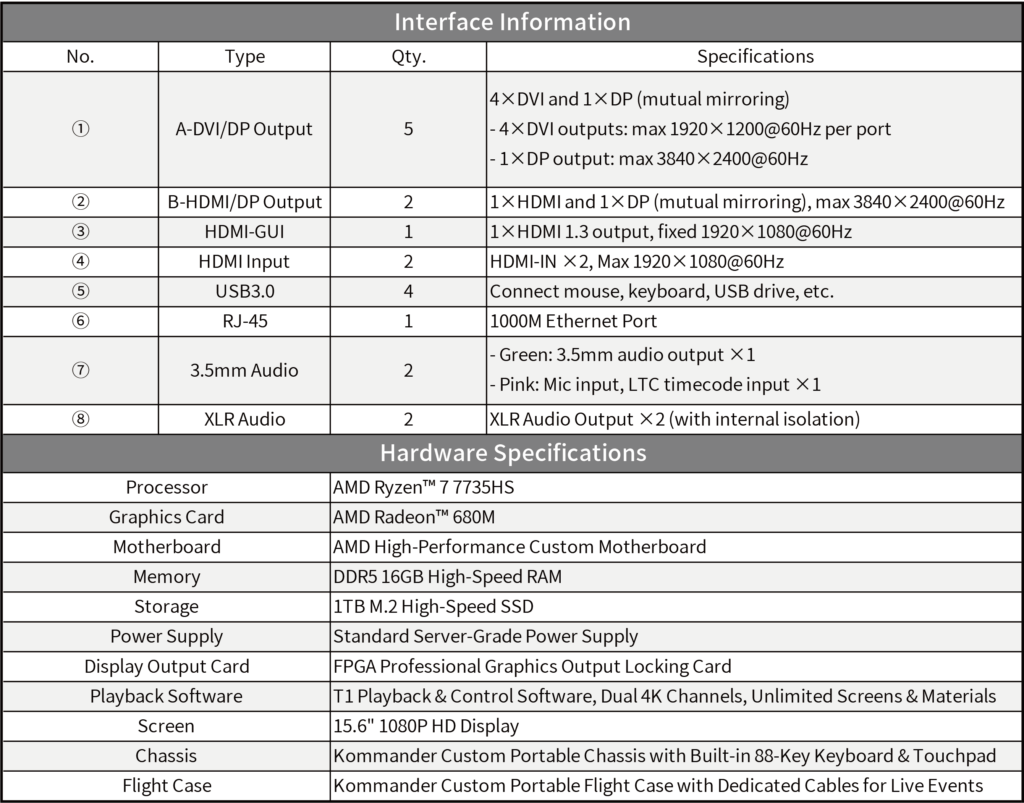
When comparing vendors, focus on three technical pillars: signal integrity, synchronisation and scalability. Signal integrity is about how well the system handles packet loss and jitter. Synchronisation covers genlock and frame-accurate output across multiple controllers. Scalability is not only the number of pixels a single LED controller can address but also how the whole system expands without a single point of failure. Look for explicit specs rather than marketing words — sample rates, latency figures under load, and supported redundancy topologies matter.
Vendor comparison framework
Use a consistent rubric: latency, redundancy, integration, field support and TCO. Latency: measure end-to-end delay from content ingest to LED output. Redundancy: confirm automatic switchover times and failure detection thresholds. Integration: validate compatibility with common video processors and signal formats. Field support: response SLAs and local spares stock. TCO: factor installation, commissioning hours and periodic firmware maintenance. This framework keeps apples-to-apples comparisons crisp, ja.
Real deployment realities
On-site realities often expose weak links — poor cable runs, misconfigured network switches, or firmware mismatches. Systems that look great on paper can fail under real event load. Plan a staged rollout: lab test, dry-run, then live commissioning. Include the playback media server in those rehearsals and stress test real-time playback scenarios such as instant content swap and emergency blackouts. These rehearsals reveal both hidden bottlenecks and how responsive vendor support actually is — and we’ve seen that responsiveness make or break festival weekends.
Common mistakes and safer alternatives
Installers frequently under-provision network infrastructure and skip redundant paths. They also trust default timing settings instead of enforcing network QoS. Safer alternatives: design for dual-rail networking, use managed switches with VLANs and QoS, and require vendors to provide a verified integration checklist. If a single manufacturer’s ecosystem feels too closed, consider modular setups that allow a trusted playback media server to drive third-party LED controllers — that combination often balances performance with flexibility.
Operational teardown: checklist items
When doing a production teardown, include checks for firmware parity, cable length and termination quality, and timing drift across controllers. Explicitly ensure your tests cover frame-lock under peak CPU and network load, and confirm how long automatic failover takes. Also embed routine checks for {main_keyword} and {variation_keyword} into your maintenance schedule to catch creeping issues early.
How to pick the right manufacturer
Choose a supplier that publishes measurable outcomes and provides local field engineers or trained partners. Ask for live references from comparable stadium projects and request a written contingency plan for key failure modes. Compare warranty terms and spare-part logistics, and weigh the price of premium support against downtime risk. — Small margins in procurement can mean big headaches during a season of events.
Advisory: three golden rules
1) Prioritise deterministic timing: insist on measurable latency and frame-lock guarantees. 2) Demand redundancy with tested failover times; unattended events can’t wait for a courier. 3) Validate real-world interoperability: ensure the playback media server and LED controller talk cleanly to your video processor and timing systems.
Choosing a system is ultimately about predictable performance for people on the ground — technicians, producers and the crowd. Kystar provides that predictability in its toolset — a practical, field-proven route to reliable large-scale displays. — trustworthy, hands-on, and ready for the next show.