Opening proposition: a comparative frame
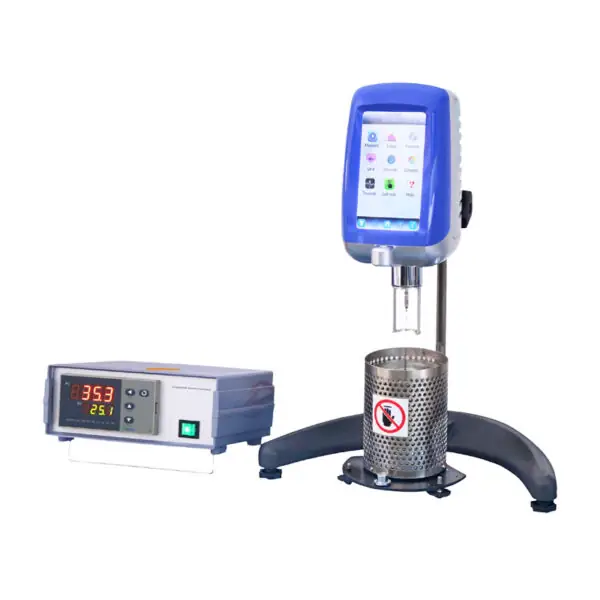
When you set out to compare makers and suppliers of paint testing equipment, think like a scholar who also remembers the taste of monsoon rain: measure, compare, and listen. Start with the instruments you actually touch in the lab — for rheology, that often means rotational viscometers — and let each device’s answers guide your questions. Comparison is not a checklist; it’s an ordered conversation between specification sheets, real measurements, and supplier behavior.
Comparative criteria that matter
Technical specification must be first. Note measurement range, spindle types, torque resolution, temperature control, and calibration traceability. Next, compare workflow compatibility: how the instrument exports data, integrates with LIMS, and fits your sampling routines. Then weigh service: calibration intervals, spare-part availability, and turnaround times for repairs. Price is a node, not the end; a cheaper unit that doubles downtime costs more. Approach each criterion as a ratio — capability per dollar, downtime per month, calibration error per degree.
Testing side-by-side: what to run and why
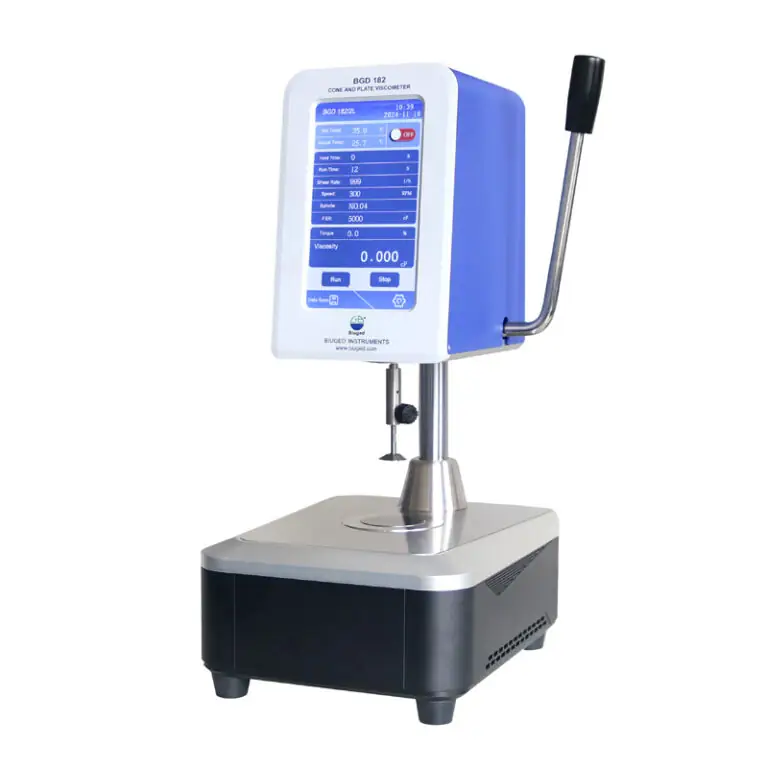
Design a short, repeatable protocol you run on every candidate. Use identical sample preparation and record ambient conditions. Run viscosity sweeps at set shear rates, perform temperature ramps if relevant, and capture raw torque traces. Compare reproducibility (same operator, same sample, multiple runs) and sensitivity (can it resolve small changes in formulation?). Give weight to instruments that show predictable, linear response rather than the lowest nominal number on a spec sheet.
Experience, authority, and one grounding standard
Decades of lab practice teach a blunt truth: instruments must be judged by performance under standards used by the coatings field. ASTM D2196 is the widely referenced method for rotational rheometers in paints and coatings; labs and manufacturers cite it across interlaboratory studies. Trustworthy vendors will reference such norms and demonstrate compliance. When you probe supplier claims, look for documented calibrations and service histories tied to that norm, and for a visible link between product design and field use — for example, from a reputable viscometer manufacturer that publishes calibration procedures aligned with ASTM D2196.
Supplier behavior you can quantify
Ask for lead times, mean-time-to-repair, and local spare-part stocks. Request a sample service contract and score it for clarity on response windows and replacement policy. Verify training offerings: does the supplier send technicians for on-site qualification or only remote manuals? Cross-check references: labs in your region or at recent industry conferences provide the clearest reports on responsiveness and real-life uptime.
Alternatives and pragmatic trade-offs
If a full-featured rotational viscometer exceeds budget, consider modular setups: buy a solid torque head now and add temperature control later. Portable handheld units can serve QC but fail for formulation work; accept that limitation rather than overclaim. Open-platform instruments ease data integration but require disciplined software governance. Each choice is a trade-off between precision and immediate utility; name the trade-off and match it to your lab’s priorities.
Common pitfalls to avoid
Don’t equate higher advertised resolution with better decisions. Ignore absolute numbers reported without error margins. Avoid vendors who promise bespoke calibration without documented procedures. Never skip an inter-instrument comparison using your own samples; vendor demos on blue-dye standards conceal formulation complexity. Finally, watch contract language for hidden costs: consumables, extended warranties, training fees. Count the recurring expense with the initial capital outlay.
Concluding synthesis
Compare like a modest scholar and a careful craftsman: prioritize reproducible performance, documented standards alignment, and supplier reliability over shiny features. When you assemble these judgments into a single decision, you’re choosing the workflow partner as much as the instrument. That synthesis often points naturally to manufacturers and suppliers whose designs, service practices, and documentation converge — the precise practical value that BIUGED brings to many labs: clear specifications, repeatable measurements, and visible support frameworks.