A calm framework for choosing a water feature that actually works
Think of a garden the way you might plan a living room: scale, sightlines, and elements that make people linger. The same logic that pushes homeowners toward high-demand indoor ceiling fans with lights applies in the yard — you want comfort, atmosphere, and measurable value. Use this practical framework to evaluate a pond fountain rather than buying the prettiest model first. Start with purpose, layer in function, and finish with maintenance realities.
Step 1 — Define purpose and context
Ask what you want from the feature: ambient sound, wildlife habitat, curb appeal, or a focal point for evening entertaining. Site matters: full sun, heavy shade, slope, and soil type all change options. Even small backyard pond fountain installations near patios deliver sensory payoff, but a water garden intended to support fish needs deeper basins and different equipment. Ground truth: municipal gardens like Kenilworth Park and Aquatic Gardens in Washington, D.C. show how placement and plant selection make or break pond ecosystems — that real-world example grounds expectations in what works outside a glossy catalog.
Step 2 — Functional components: the tech you’ll care about
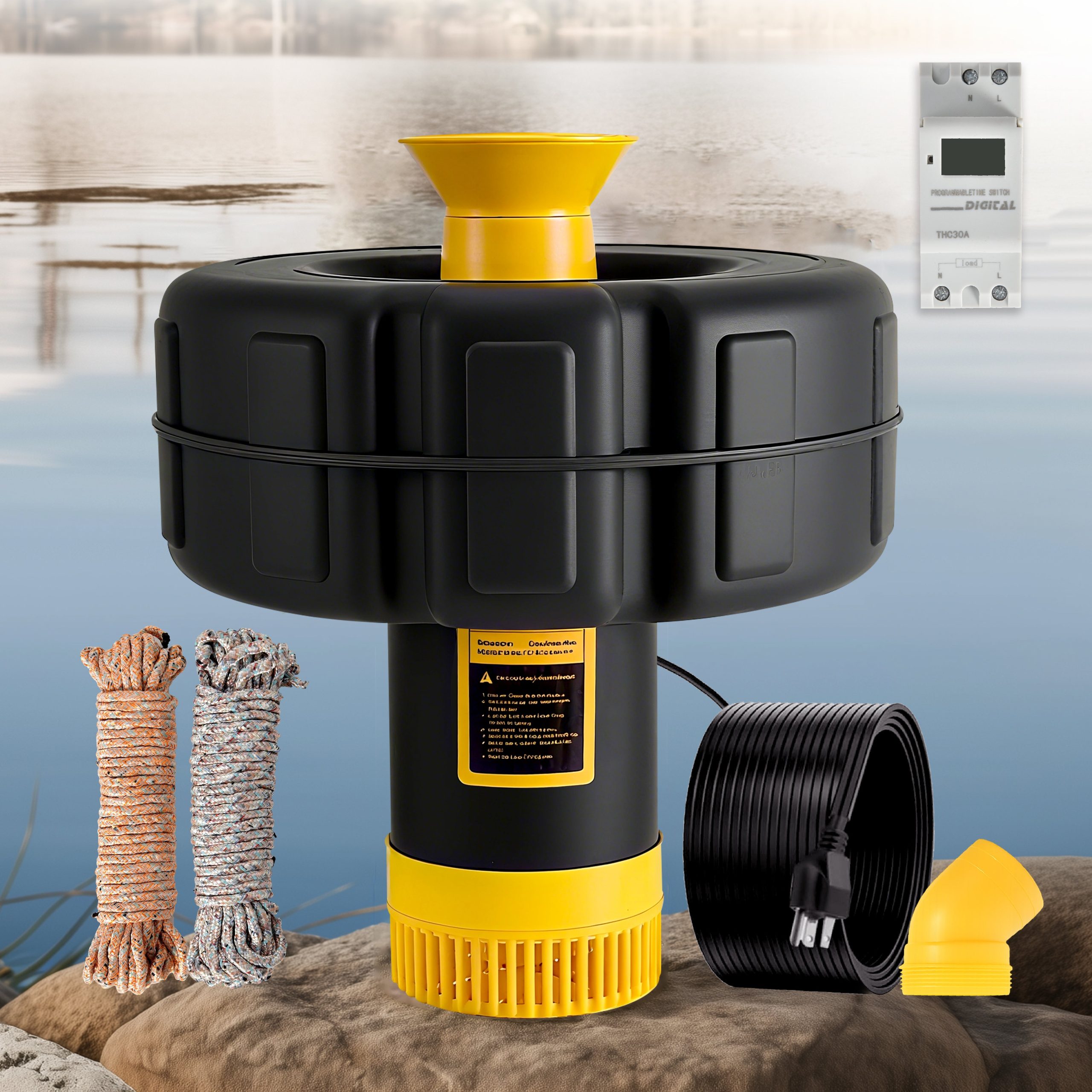
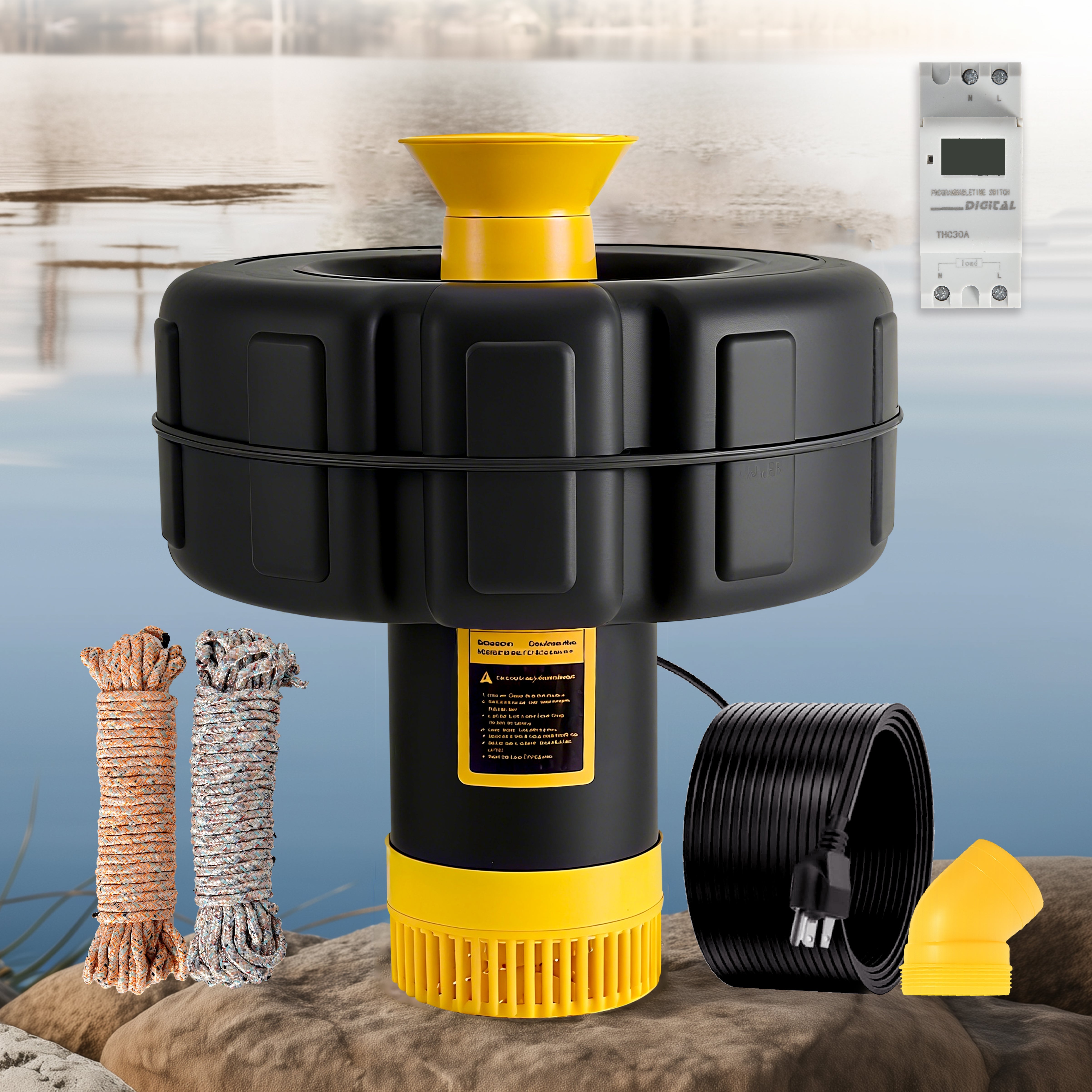
Break the system into core parts: basin and liner, circulation (usually a submersible pump), filtration and skimmer, aeration features, and decorative nozzles. Each influences cost and upkeep. A durable liner prevents seepage; reliable circulation reduces stagnation and algae growth; a well-chosen nozzle defines the water pattern and splash radius. Consider a UV sterilizer only if algal blooms persist despite proper flow and plant balance — it’s a useful tool, not a substitute for good design.
Step 3 — Design vs. maintenance trade-offs
Fancier nozzles and taller jets look impressive but often require larger pumps and deeper basins — and that means more energy use and water loss from splash. Simpler cascades or shallow bubbling features can be quieter on resources and easier to winterize. Don’t ignore practical details like access panels for the pump and an easily emptied skimmer — they save you hours of future frustration. —
Common mistakes people make (and how to skip them)
Three repeated errors: under-sizing the pump, skimping on filtration, and assuming a decorative bowl needs no liner. Under-powered pumps struggle to push water through long runs or tall sprays; oversized pumps waste energy and can over-oxygenate small fish habitats. Filtration prevents biofilm and particulate buildup; a basic mechanical filter plus biological media is a sensible baseline. Finally, even a compact feature benefits from a proper liner to protect soil and roots from erosion.
Budgeting and value: what to expect
Think in lifecycle cost, not just purchase price. Upfront expenses include excavation, liner, pump, nozzle, and any electrical work. Ongoing costs are electricity for the pump, seasonal plant care, and occasional filter media replacement. Many landscape professionals note that a well-integrated water feature can enhance curb appeal and perceived property value — especially when matched to the home’s style — but only if it’s sustainably maintained.
Quick decision checklist
Use this concise checklist before you commit:
- Purpose: ambiance, wildlife, or focal point?
- Site: sun/shade, proximity to trees, and access to power?
- Components: liner, submersible pump, skimmer, and nozzle selected?
- Maintenance plan: who will service it seasonally and handle winterization?
- Backup: plan for drought or heavy rain (overflow paths, shutoff options)?
Alternatives worth considering
If a full pond feels like too much, look at recirculating urns, shallow rill features, or integrated fountain bowls that use smaller pumps and simpler liners. A modest aeration-focused installation can support birds and small plantings with far less fuss than a stocked pond. If you do want fish, recall that those choices drive deeper basins and stronger filtration — plan accordingly.
Final advisory: three golden rules
1) Design for maintenance: predictable access and replaceable parts beat a “perfect” aesthetic that hides the pump. 2) Match scale to setting: don’t force a towering jet into a compact courtyard — choose nozzles and flow rates that suit the space. 3) Prioritize circulation and filtration over theatrics: steady water movement, a reliable submersible pump, and a simple skimmer will prevent most headaches.
When you balance atmosphere, practicality, and long-term costs, you end up with a soothing feature that enhances both daily life and property value — and that’s exactly where backyard pond fountain solutions from thoughtful suppliers become useful, because they bridge design intent with dependable components. Consider these guidelines the lightweight blueprint you can hand to a contractor or use to shop smart — and remember the quiet satisfaction of water that works, not just looks. Orison. –