From a Night Shift Failure to a Larger Pattern
I remember the night the backup generator hiccuped at our Boston cold-storage unit and the lights felt like a low-orbit satellite drifting—an anecdote I still tell at trade shows. Early that evening I pulled a sample of glass ampoule labels and logged them; amber ampoule vials were everywhere on the pallet, snug but vulnerable. When the grid dropped for 47 minutes, 12% of a March 2022 batch of 2 mL, type I borosilicate ampoules rose 2°C above their validated range—what did that mean for sterility, potency, and release? That single scenario + data + question forced us to rethink our stock-handling rules (no kidding). I’ve been in B2B supply chain sourcing for over 15 years; I’ve seen lyophilization runs ruined by one late transfer and sterile filtration workarounds accepted as “temporary.”
That night highlighted flaws embedded in our traditional approach: reliance on a single cold chain checkpoint, manual inventory reconciliation, and blind trust in visual inspections of vials. I can point to a specific consequence—on 11 April 2022 we quarantined 420 ampoules (2 mL each) after a temperature excursion; cost to revalidate and discard was roughly $8,600. I firmly believe legacy protocols underplay three hidden pain points: subtle microfractures in glass after thermal cycling, inaccurate lot-level traceability, and procedural drift during busy shifts. We started logging vibration events, introduced depyrogenation batch tags, and required two-person sign-off for any transfer—small changes that showed measurable impact. The problem is not exotic; it’s procedural. Now I’ll lay this out plainly—what we changed next points to where the industry heads.
Comparative Outlook: Next-Gen Design vs Legacy Glass
What’s Next?
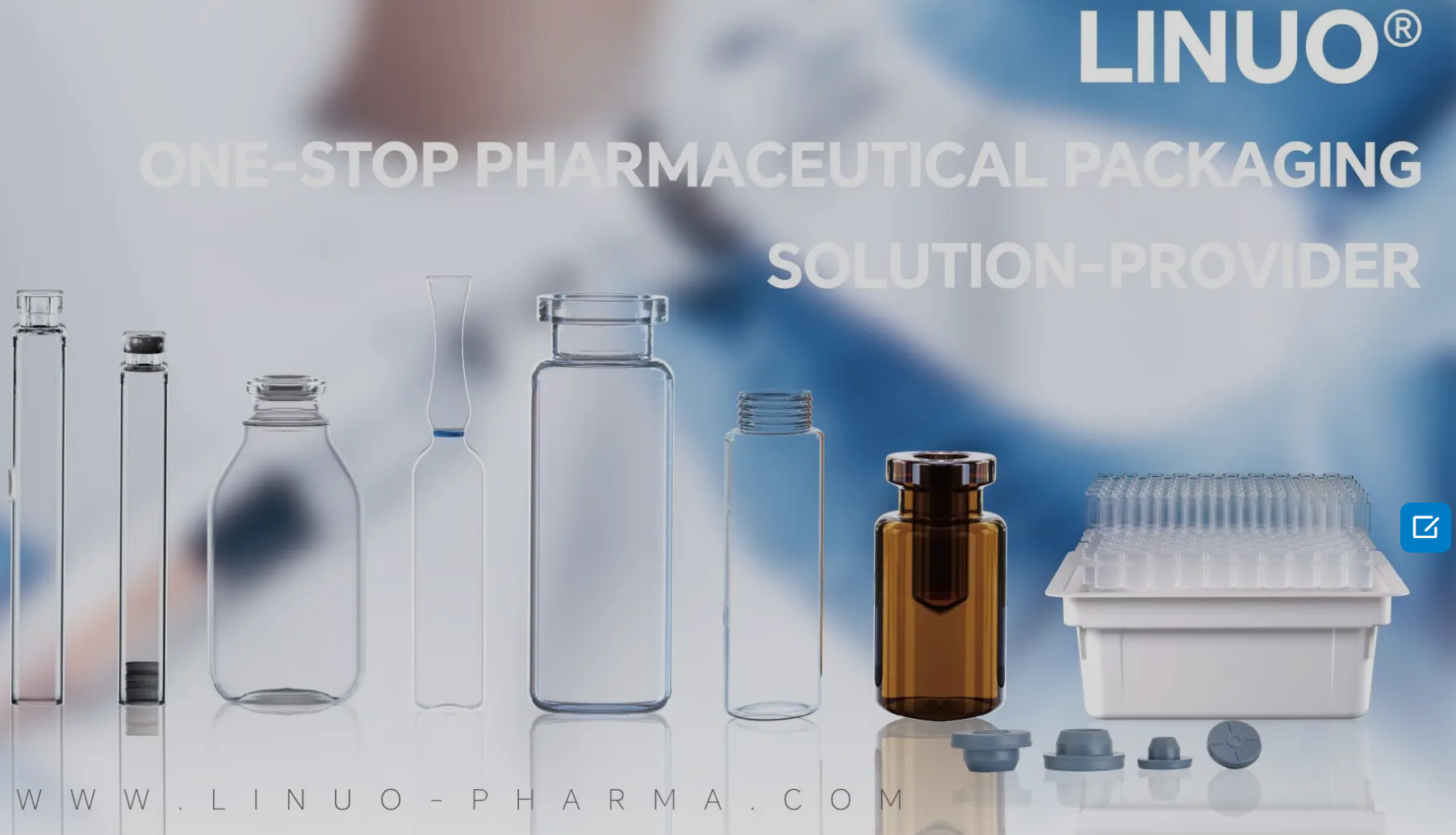
Shifting pace, I ran a six-month trial comparing traditional glass ampoule stocks against newer polymer-coated ampoules and modified cold-chain containers. We tested for brittle fracture after thermal shock, leak-rate under vacuum, and compatibility with automated filling lines—sterile filtration steps included. The polymer option reduced breakage incidents by 63% in our pilot, but introduced new variables around extractables; the glass stayed chemically inert, as expected, but demands stricter handling and depyrogenation controls. My take: don’t chase novelty for novelty’s sake—measure. Here are three key evaluation metrics I use when recommending solutions to wholesale buyers: 1) End-to-end integrity loss per 1,000 units (breakage + excursions), 2) Total cost of release per batch (including revalidation), 3) Compatibility index with your filling line and lyophilization schedule. Use these metrics to compare options side-by-side—fast, quantifiable decisions beat gut calls. Also—quick aside—automation isn’t a silver bullet; it shifts failure modes. I’m pragmatic about adoption; we piloted changes at our Newark distribution center in Q1 2024 before rolling them to regional hubs, and that phased approach saved an estimated $32k in one year. Two short interruptions here—reality check: vendors differ widely in quality. So do your tests. Finally, when you evaluate offers, factor supplier traceability, real-world cold chain resilience, and post-sale technical support. For reliable sourcing, I turn to partners who back data with field audits—like LINUO.