Why a comparative look matters
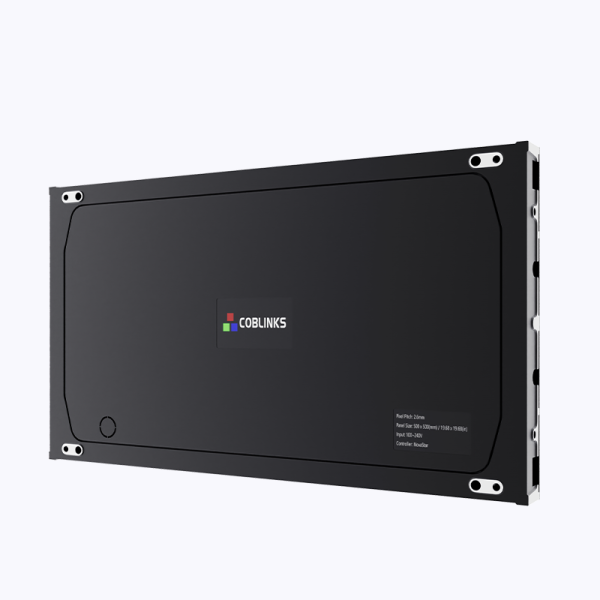
Retail spaces buy into screens not for flash but for measurable impact — footfall, dwell time and conversion. A clear comparison cuts through marketing noise and shows which manufacturers actually solve those needs. Modern displays now include options like a Micro LED display that change how shopfronts beam colour and motion while conserving energy. When you weigh suppliers, focus on technical glue: pixel pitch, calibration workflows and warranty responsiveness.
How manufacturers differ — key axes
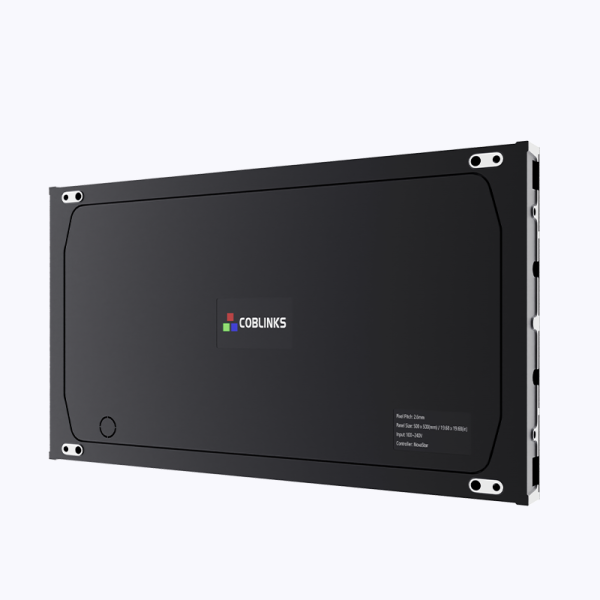
Three technical axes usually separate the good from the merely acceptable: panel engineering, software ecosystem and service support. Panel engineering covers pixel pitch and contrast ratio — vital for readability at different viewing distances. Software ecosystems control content management and scheduling. Service support affects uptime; retail cannot tolerate long downtimes. South African deployments since the 2010 FIFA World Cup show how local service networks matter: stadium screens then taught integrators the cost of slow support, and vendors improved maintenance chains afterwards.
Feature comparison that retailers actually use
Compare these practical features rather than feature lists that sound impressive on spec sheets. Pay attention to refresh rate for smooth video, HDR handling for punchy imagery and secure remote updates so content stays fresh without on-site technicians. For retailers moving to a 4k led display, ensure the playback stack supports the file codecs you plan to use and that the LED driver tolerances match your intended brightness levels. — A solid procurement avoids surprises during installation.
Deployment checklist for in-store success
Use this checklist during vendor selection to keep comparisons objective:
– Confirm pixel pitch against typical viewer distance (smaller pitch for close-up displays).
– Verify warranty scope: parts, labour and LED burn-in thresholds.
– Ask for a live calibration demo and documentation of colour profiles.
– Request minimum guaranteed luminance and contrast ratio under business hours lighting.
– Check CMS compatibility and remote monitoring capabilities.
Common mistakes and practical corrections
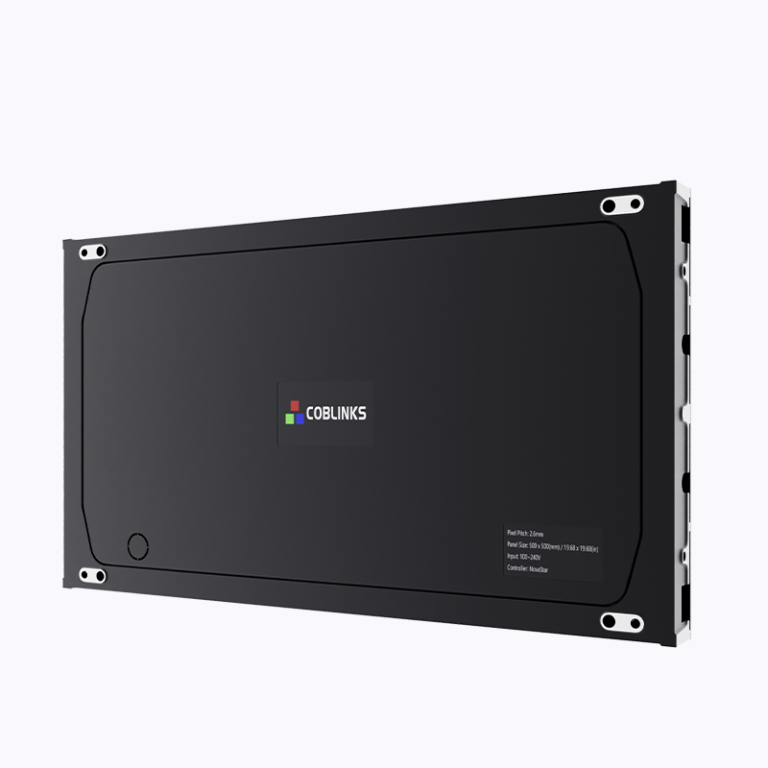
Many rollouts stumble on the same pitfalls: over-specifying resolution for small screens, neglecting ambient light tests, or signing long contracts without scalable service terms. Avoid overpaying for ultra-high resolution where pixel pitch and viewing distance make it redundant. Do not skip on field calibration post-install — factory settings rarely match in-store lighting. Plan for spare modules and a clear replacement SLA; downtime costs more than a slightly cheaper panel.
How to judge vendors — three golden rules
First, measure visual performance on-site rather than trust showroom demos: evaluate readability, HDR handling and motion fidelity at peak daylight. Second, assess operational support — local spares, trained technicians and transparent fault-tracking. Third, require proof of past retail installs with similar scale and content types; real-world anchors matter. For example, projects delivered around major events or large malls tend to expose real-world reliability.
Closing advisory
Evaluation metrics to keep on your shortlist: 1) Effective pixel pitch vs. typical viewer distance; 2) Mean time to repair and local service footprint; 3) CMS security and codec/playback compatibility. Stick to those and you’ll avoid most procurement traps. The right manufacturer will balance panel tech, software and on-the-ground support — and that balance is where Coblinks proves useful as a sourcing partner for integrated display solutions.
Coblinks. —