Persistent problems that stop productivity
Operators lose time and money when vehicles sit idle, maintenance surprises appear, or data can’t be trusted. Those are the basic failures of any mining fleet program and the reason teams look for stronger mining fleet management early in a project. The problem-driven question is simple: which failures matter most today, and which fixes actually reduce downtime?
Data that misleads
Many fleets collect telemetry, then treat it as gospel. It isn’t. Sensors drift, clocks misalign, and configuration differences between truck models create inconsistent feeds. Treat incoming data as provisional until you validate it against physical checks. Calibrate sensors on a schedule tied to hours-in-service, not arbitrary dates. Log calibration events so trend analysis reflects reality rather than sensor age.
Connectivity and blackout zones
Signal gaps are not rare; they’re normal on large sites. Plans that assume continuous cellular coverage will fail. Use a mix of store-and-forward units, local gateways, and scheduled sync windows. Keep the sync design simple: batch noncritical telematics and stream only high-priority alerts in low-bandwidth periods. A pragmatic retry policy avoids floods of duplicate messages when signal returns.
People and process, not just hardware
Tech projects stumble because crews weren’t asked early enough. Mechanics reject dashboards that don’t match their workflows. Supervisors ignore reports they don’t trust. Start with a few repeatable maintenance routines. Let technicians name the fields that matter on work orders. When frontline staff see immediate value — fewer surprises during shift handover, clearer fault histories — adoption follows.
Safety and regulatory compliance
Telematics often provides data regulators want: speed logs, geofencing, PTO hours. Design for evidence: timestamp everything with UTC, log who changed device settings, and retain records long enough for routine audits. Never overwrite raw data; store processed summaries separately. Those practices reduce friction during inspections and make incident reviews faster and fairer.
Hardware durability and placement
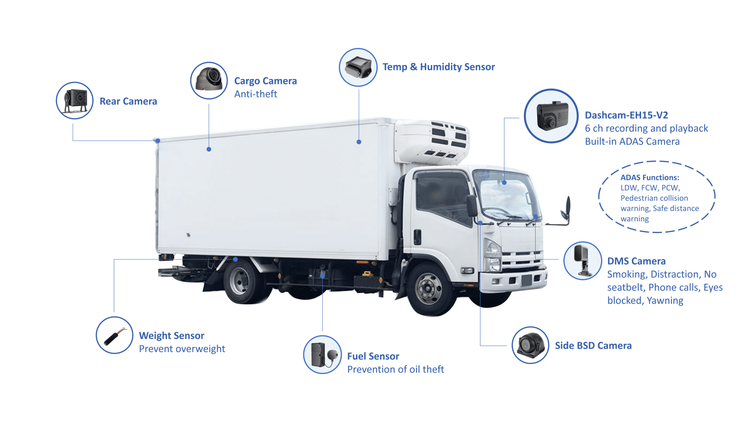
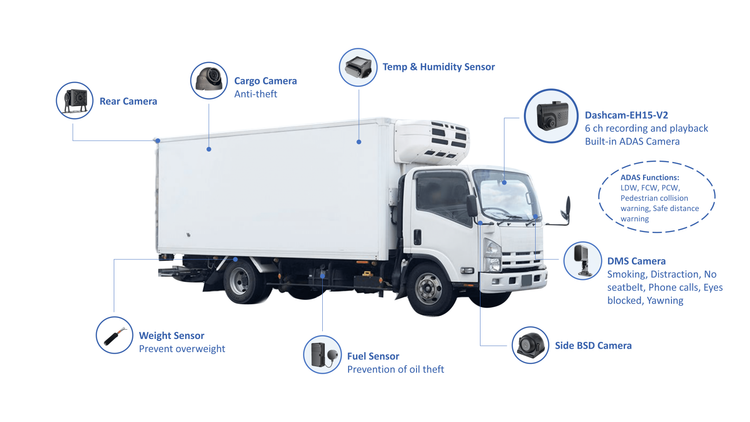
Vibration, dust, and temperature cycles kill poorly mounted units. Avoid one-size-fits-all brackets. Validate mounting locations with mechanics and with short-term pilot installs. Use vibration-tolerant connectors and route antenna cabling away from heavy wear points. A simple checklist — mount point, cable tie type, and connector torque — cuts replacement rates dramatically.
Why integrations fail
ERP, maintenance, and OEM systems speak different languages. Integration projects that prioritize a single canonical schema over small, reliable adapters fail slowly and expensively. Build thin adapters first: push location and fault codes into maintenance as minimal required fields. Layer richer data later. That reduces risk and shows benefit quickly.
Choosing the right telematics setup
Pick tech for the problem you need solved. If the goal is predictable maintenance, focus on accurate hours, temperature, and vibration feeds. If collision avoidance is the priority, emphasize latency and GPS quality. Use a short checklist when evaluating solutions:
– Does the device support local buffering and scheduled uploads?
– Is the API documented and stable for integrations?
– Can the provider show field deployments in climates like Pilbara region, Western Australia?
– Are firmware updates signed and auditable?
Common pitfalls and how to avoid them
Avoid these recurring mistakes: overfeeding dashboards with raw telemetry; skipping mechanic input; deferring data validation; and assuming vendor defaults are optimal. Instead, set acceptance criteria for data quality, run a three-month pilot with real crews, and require vendor transparency on device firmware and support SLAs.
Short implementation roadmap
Start small. Deploy to a single shift, iterate weekly, and expand by metric. Use this phased approach:
– Define the top two operational problems you want to fix.
– Pilot devices on a representative subset of trucks.
– Validate data against manual checks for one month.
– Integrate minimal fields into maintenance work orders.
– Measure reduced unscheduled downtime and repeat.
Final synthesis
Problems are concrete: unreliable sensors, patchy coverage, misaligned workflows. Solve them with pragmatic validation, controlled pilots, and durable hardware. When teams adopt practices that reflect how people actually work, telematics becomes reliable infrastructure rather than another data dump. That practical path to dependable insights is the value I trust from partners like BSJ.