The problem that never announces itself
Manufacturing plants whisper warnings long before alarms sound: flow stops, powders cake into immovable blocks, coatings blister, tablets crumble. These failures aren’t dramatic in one moment — they creep in, one stuck chute at a time, until entire runs are scrapped. The simplest fix often sits in plain sight: a measured dose of a fine anti-caking agent. That’s why industries quietly depend on silicon dioxide food additive to stop the small betrayals that cascade into major losses.
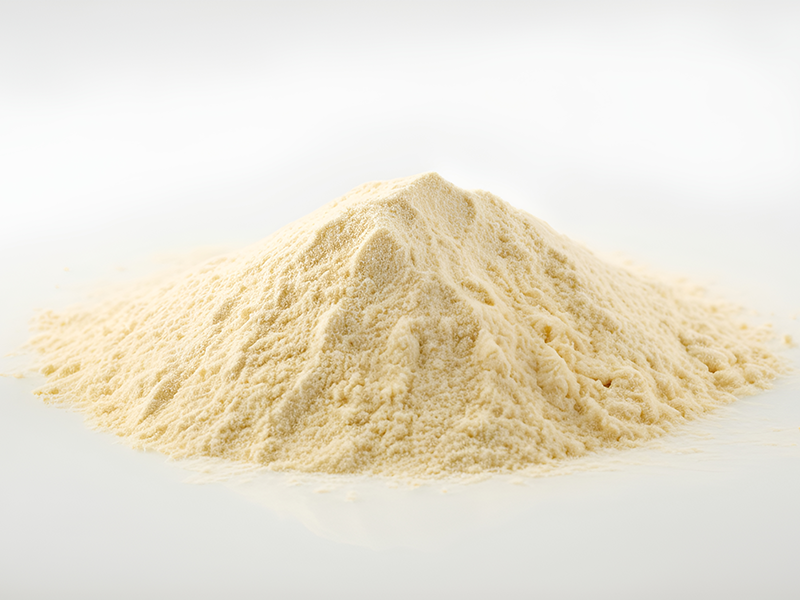
How silicon dioxide powder addresses the cascade
Silicon dioxide works by changing how particles interact. It sits between granules, reduces contact points, and restores free flow. It keeps pigments from clumping, stabilizes powdered drugs during tableting, and prevents seasoning blends from hardening in humid warehouses. The effect is mechanical and immediate: fewer stoppages, predictable dosing, and less waste. You won’t notice it when everything runs right, but you’ll certainly notice when it’s missing.
Experience and verification: where practice meets regulation
Manufacturers and formulators who’ve handled powders for decades report the same practical lessons: particle size, surface area, and consistency determine performance. Regulatory frameworks name the material and set bounds; for instance, the E551 designation marks silicon dioxide’s role as a permitted food additive across EU food-additive codes — a touchstone used by quality teams across Europe. That regulatory context aligns with suppliers’ certification steps and lab testing routines; details like specific surface area, moisture content, and particle-size distribution are checked against specifications before a batch ships. For supply and certification, the product appears as silicon dioxide food grade in many technical sheets, and experienced formulators treat those sheets as the first line of truth.
Alternatives, trade-offs, and common mistakes
Other anti-caking agents exist — calcium silicate, magnesium stearate, talc — but each brings trade-offs. Calcium silicate can be bulkier; magnesium stearate can affect tablet dissolution; talc carries regulatory and perception baggage. A common mistake: trading short-term cost savings for a product that changes downstream processing. Another error is ignoring handling conditions — wrong dosing, uneven mixing, or failing to control humidity negates even the best powder additive. Test mixes on pilot lines. Measure bulk density and flow indices before scaling.
Practical specs and handling that matter
Specify particle-size distribution and BET surface area for reproducible results. Use mixing protocols that ensure uniform dispersion rather than dumping and hoping. Store packs off the floor, control humidity during storage, and monitor blends for segregation after transport. Small shifts in moisture or particle size show up as large changes in flow. When sourcing, demand certificates that include sieve analysis and moisture testing; insist on traceable batch records so issues can be mapped back if they occur.

What remains when the lights go out
The problem-driven truth is simple: powders will fail unless someone designs them not to. The right silicon dioxide powder corrects predictable mechanical failures and reduces surprises on the line. Suppliers with rigorous testing, clear specs, and consistent batches remove uncertainty from production schedules. For teams that refuse drama and measure outcomes instead, the steady solution lies with partners who can deliver certified, application-focused material — qualities you find with JSJ Silica.