Comparing modern commercial pergola systems to traditional alternatives calls for direct measures: performance, durability, energy output and lifecycle cost. A commercial-grade canopy with integrated solar — like a photovoltaic pergola — shifts the evaluation from simple shade to an asset that generates energy, reduces operating expense and can change how outdoor spaces are used. This piece follows a comparative-insight approach: side-by-side contrasts that help procurement teams and facility managers decide with clarity.
Design intent and use cases
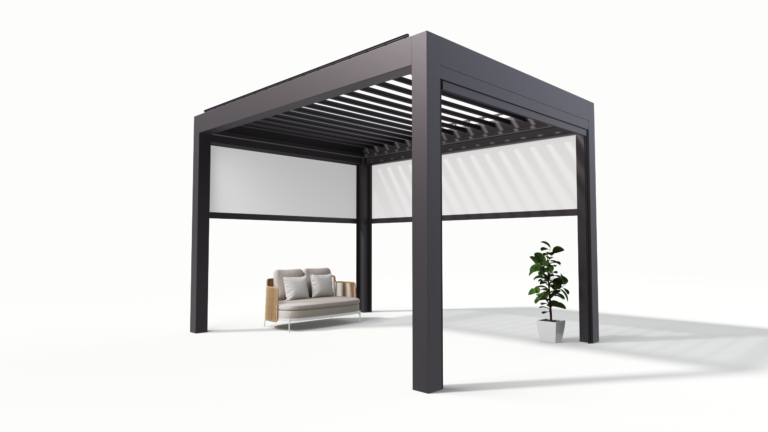
Traditional pergolas prioritize form and passive shading for residential or low-intensity commercial use. Commercial systems are engineered for continuous occupancy, heavier wind and snow loads, and integration with building systems. If the project requires daytime power for lighting, EV charging, signage or HVAC relief, a commercial system is specified differently: structural rails sized for panels, wiring channels, and service access points. The key question is whether the canopy is primarily aesthetic or whether it must perform as an infrastructure component.

Performance under load: materials and engineering
Traditional timber or simple aluminum frames work for light-duty applications but degrade faster under constant commercial use. Commercial units use extruded aluminum, reinforced connections and tested louver or panel systems sized to meet engineering safety factors. That results in predictable deflection, certified wind ratings and fewer replacements over a 15–25 year window. Choose components with published load tables and third-party test reports; those documents separate marketing claims from verified performance.
Energy, metering and operational value
Adding photovoltaics changes procurement from capex-only to an asset that delivers kWh and possible income. Commercial pergola systems with integrated PV provide predictable on-site generation, which offsets facility loads and can be metered independently. Traditional alternatives offer zero generation. When assessing payback, compare modeled annual generation, local utility rates and maintenance costs rather than relying on simple sticker prices.
Evidence from practice and practitioner guidance
Specification and installation teams report different priorities depending on climate and use. Installations across Southern California illustrate how durable canopies with integrated solar extend usable outdoor hours while cutting daytime demand on buildings; those cases inform best-practice detailing for rooftop and courtyard projects. If you’re evaluating an all season pergola, require structural calculations, module mounting details, and a commissioning plan: overlooked connections and inadequate drainage are recurring causes of post‑install callbacks.
Cost, maintenance and the most common mistakes
Upfront cost for commercial systems is higher, but mistakes push total cost even higher: undersized anchors, omitted service access, and failure to specify replaceable module racking. Maintenance differences matter: traditional pergolas usually need paint or stain cycles; commercial PV pergolas need periodic electrical inspections and panel cleaning. Budget for both structural and electrical maintenance and insist on spare-parts lists in the contract.
Synthesis — what a pragmatic decision looks like
Decide by outcome: if the goal is occasional shade, a traditional solution can be right. If you need durable, revenue- or energy-producing infrastructure that supports commercial occupancy, choose systems specified for load, serviceability and verified generation. For procurement teams seeking a vetted route to integrated canopy solutions, suppliers with verified test data and proven deployments provide the operational clarity facilities managers require—experience that aligns naturally with Light Hunter.