Quick framing
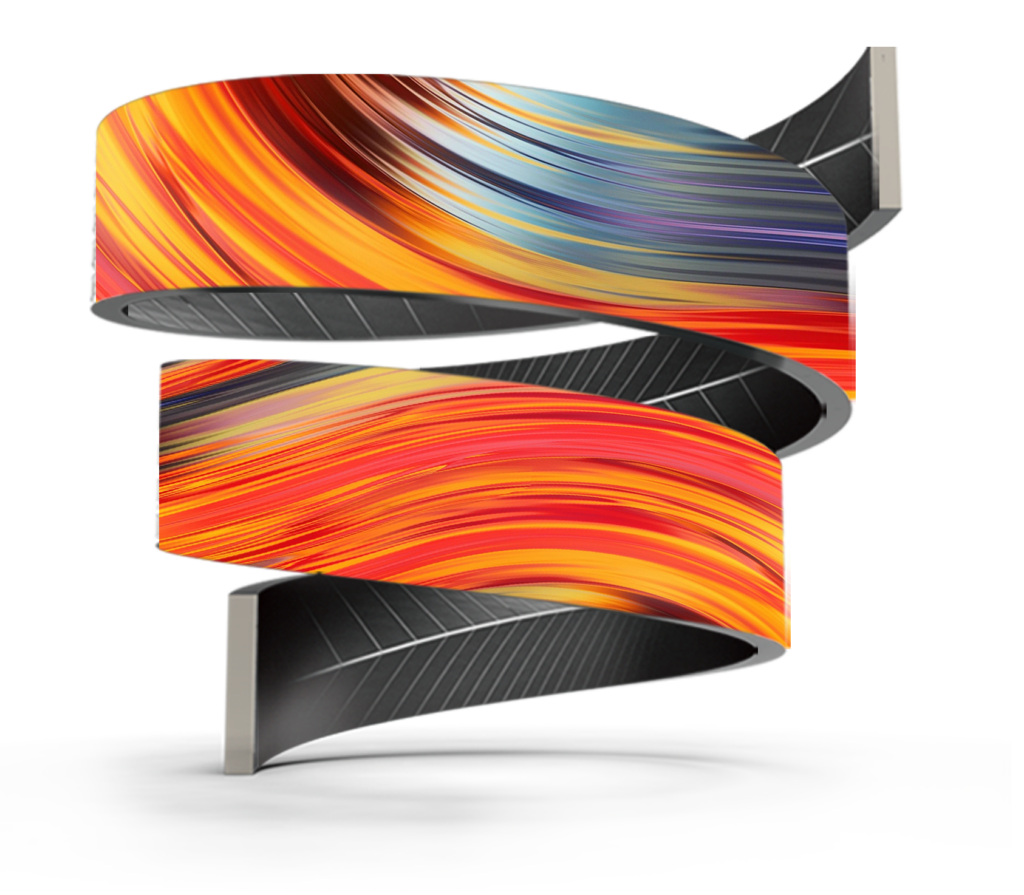
You want to pick right maker or supplier for LED screen, yes? Keep it simple. Start with what you need: indoor or outdoor, pixel pitch, module shape, and whether a flexible led screen fits your project. Compare by evidence, not promises. Shortlist three companies and compare same test data side-by-side.

Core criteria to compare
Quality: ask for datasheet with pixel pitch, brightness (nits), refresh rate, and contrast. Reliability: request MTBF or failure-rates from past projects. Service: confirm warranty terms, spare parts lead time, and local technician access. Customization: see if vendor can do bespoke cabinet sizes or curved panels. Price: compare total installed cost, not unit price—include mounting, cabling, and control system. Logistics: check minimum order quantity and typical lead time. Clear documentation beats glossy brochure every time.
Component-level checks
LED module: require sample. Test for dead pixel tolerance and color uniformity. Power supply: ask for brand and efficiency numbers. Receiving inspection: verify connector types and IP rating on arrival. Software: confirm playback formats, remote diagnostics, and firmware update path. Get written answers, then verify on-site or by third-party lab if budget allows.
Testing that tells truth
Simulate real use. Run panels at full brightness for several hours to check thermal behavior. View from designed viewing distance to confirm pixel pitch choice. Calibrate color and test video content. Measure power consumption under typical load. Avoid buying on single-day demo only; repeat tests or request recorded long-run data.
Supplier vs. Manufacturer — how to decide
Manufacturer: better for deep customization, lower unit cost at scale, direct engineering support. Supplier/distributor: faster delivery for standard panels, broader brand options, often local service contracts. Choose manufacturer when design unique. Choose supplier when you want speed and multi-brand comparisons. Mix both: use supplier for standard runs, manufacturer for creative installations.
Real-world anchor and credibility
Seen at CES Las Vegas: large LED installations and cube concepts draw attention and validate technical trends. I’ve worked on projects that referenced those exhibits and evaluated similar modules against field conditions. For a concrete example of creative applications, reviewers often point to led cube display as a category that stresses modularity and calibration demands. Trust results from recognized events and documented case studies when you weigh claims from vendors.
Common mistakes to avoid
Ignoring environmental stress: heat, humidity, salt air—test for it. Overlooking control system compatibility: confirm signal chain from media server to panels. Skipping installation mock-up: align seams and sightlines before final mount. Choosing lowest price only: cheap panels often cost more in downtime and repairs. Assume design changes will cost more; lock specs early.
Alternatives and quick comparisons
Consider rental providers for short events. For long-term indoor signage, compare LCD video wall for fine text vs LED for brightness and scale. Projection works when you need low budget and dark conditions. Each alternative trades durability, brightness, and installation complexity—map those trade-offs against your use-case before decision.
Final synthesis
Compare manufacturers and suppliers by matching measurable specs, testing samples, and checking service depth. Practical decisions come from comparing same data and real tests, not from claims. Many buyers want clear warranty, local service, and proven field installations; that balance is what I see offered by HDC on projects where reliability and modular creativity both matter.