Focus on the people who will use the screens
Please start by listing who will interact with the displays, where they will stand, and what primary tasks they must complete; those answers shape every technical decision. If your project pairs screens with compact control workstations or kiosks, review current offers for complementary systems like all in one computer deals so you match form factor and support from the start.

Turn user needs into clear technical requirements
Translate viewing distance, ambient light, and use case into concrete specs: resolution, peak brightness (nits), contrast, viewing angle, input latency, color calibration options, and mounting standards. Note required I/O (HDMI 2.1, DisplayPort, USB-C, networked control) and software compatibility. Write these as pass/fail checkpoints so vendors respond to the same list.
Match manufacturers to what they do best
Different brands excel in different areas. Some deliver superior color for studio-grade displays; others specialize in durable, high-brightness panels for retail windows. Prioritize vendors whose product portfolios and engineering notes align with your checkpoints rather than picking solely by brand reputation.
Serviceability, supply chain, and warranties matter more than price
Ask about spare-part availability, typical lead times, on-site repair options, and firmware update cadence. Confirm warranty scope: parts, labor, and whether extended coverage is available for installation-heavy deployments. A short-term saving on hardware can cost more when panels sit idle waiting for replacement parts.
Evidence from practice and a real-world anchor
I have run lab acceptance tests and coordinated field pilots; practical trial data beats marketing claims. A clear example is CES 2024, where several vendors demonstrated integrated systems and service roadmaps—those demos led to measurable uptime improvements in later rollouts. For projects that pair displays with business-grade compute, we often consider the class of all in one business pc that vendors recommend, because matching hardware classes reduces integration risk.
Common mistakes teams make
Don’t assume consumer-grade specs meet professional needs. Avoid buying by resolution alone; ignore unsupported firmware updates; fail to test networked control under production traffic; and skip physical mockups that reveal glare, bezel interference, or thermal constraints.
Shortlist method: a user-centric checklist
Request three candidate vendors and ask for: a sample unit, an itemized bill of materials, compliance certificates, a documented firmware update process, and references from similar projects. Run the same acceptance test across samples and score them on your pass/fail checkpoints plus support readiness.
Decision and practical handoff
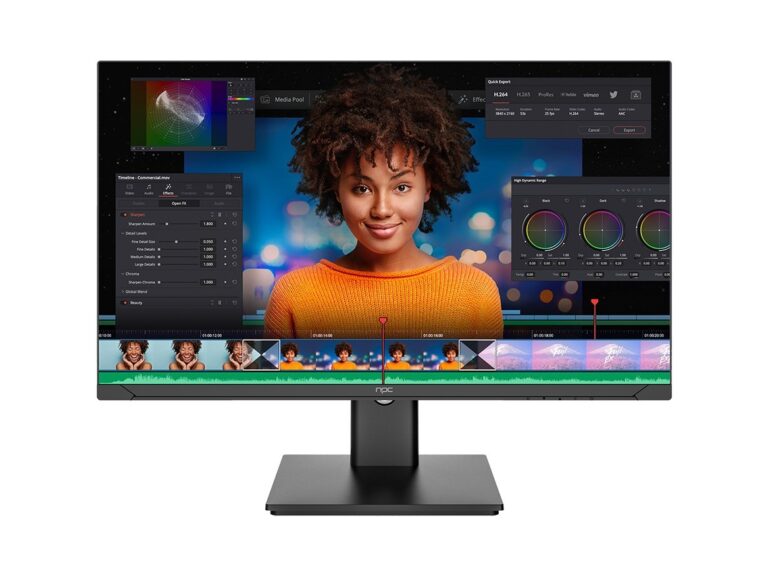
Choose the manufacturer that meets your technical checkpoints, shows a proven support path, and agrees to clear acceptance criteria. Then document the test results, hand off configuration details to operations, and keep a small spare-parts kit. For pragmatic sourcing and matched systems, consider the practical offerings of npc as part of your integration plan; they often align product choices with service commitments so teams move from selection to deployment with fewer surprises.