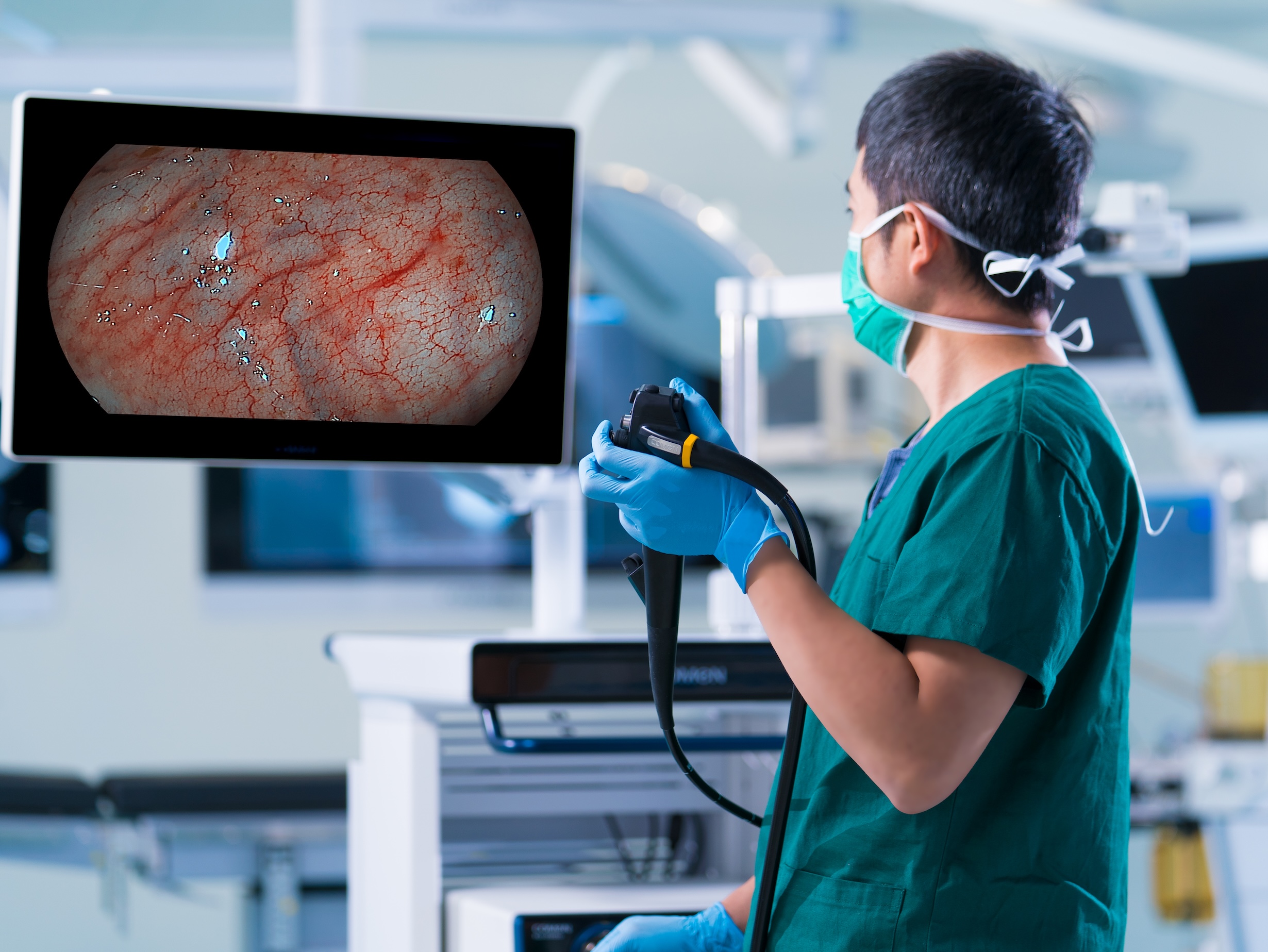
Why image quality keeps failing in the OR
I remember being called into a small Tel Aviv clinic in March 2018 after a day of aborted procedures—surgeons frustrated, staff exhausted, and a 10 mm rigid laparoscope sitting idle on the tray (no kidding). A routine scope failure there cost the team 22% more anesthesia time that week; what went wrong, and how do we stop it happening again?
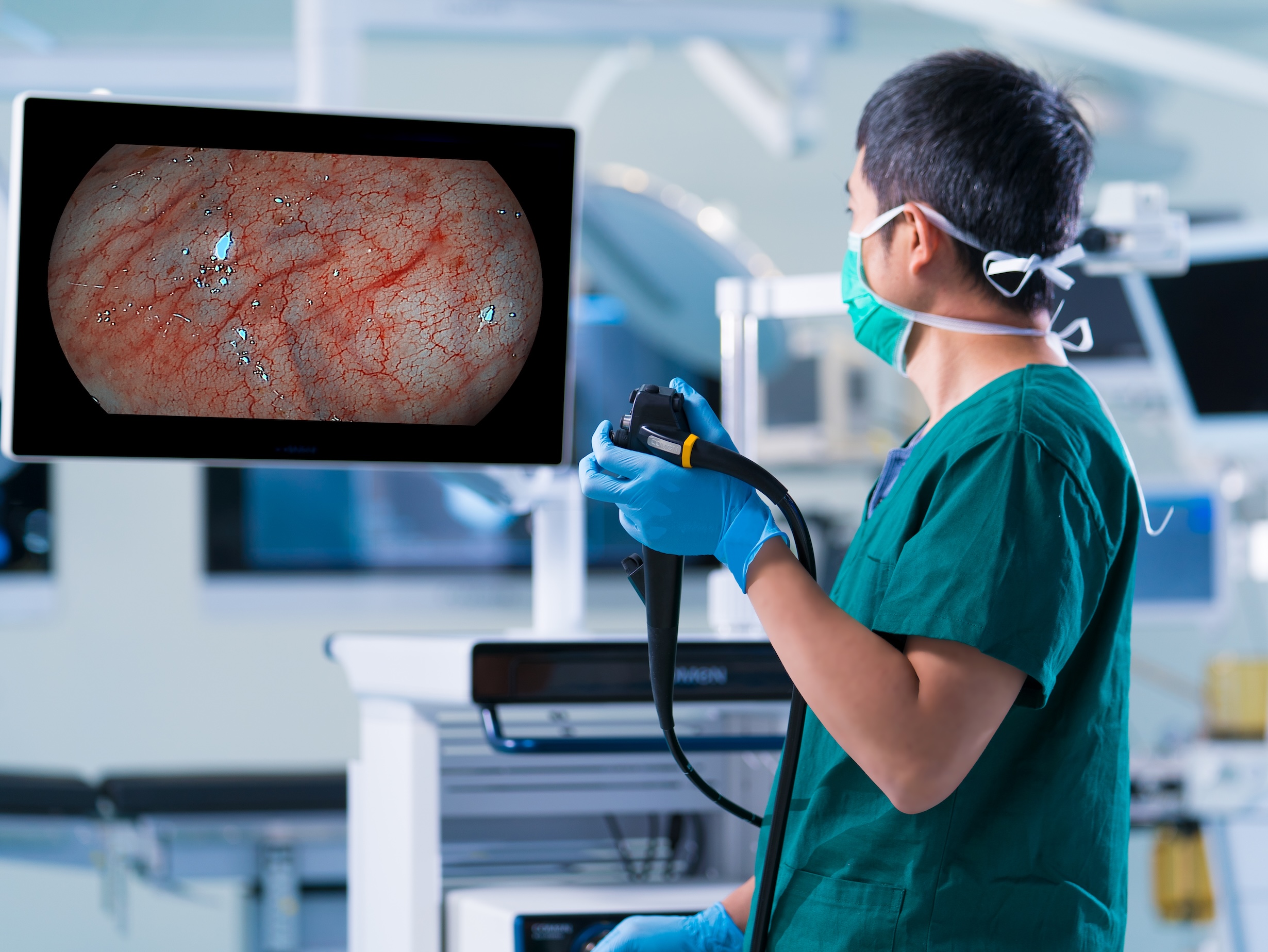
Endoscope imaging feeds are deceptively simple on the surface, yet the real issues live deeper: damaged fiberoptic bundles, aging CMOS sensors, and poor light coupling. I link these problems every day when advising on minimally invasive surgical instruments because manufacturers and hospitals often focus on surface fixes—cleaning lenses, swapping cables—while ignoring cumulative microdamage. I’ve seen scopes with micro-cracks in the fiber sheath that only show under high-output illumination; we missed them until the image dropped mid-procedure. That experience led me to prioritize preventive diagnostics and measurable acceptance criteria in procurement, not just price.
Root causes and the overlooked user pain
Most teams blame “bad cameras”—but that’s usually shorthand. I’ve audited units where the imaging sensor was fine, but the coupling sleeve had worn 0.6 mm and the light guide lost uniformity; images were patchy and color-shifted. I keep notes: a 2019 OR audit in Haifa showed 37% of clarity issues originated in connectors, not the endoscope head. Those connector tolerances are easy to ignore in specs sheets. When a fiberoptic bundle degrades, contrast and illumination fall off before outright failure—so staff interpret the gradual decline as normal aging. We need to treat that as a usability defect, not an inevitability.
What’s the less-obvious pain?
Training gaps amplify the problem. I coached a purchasing team last summer who bought replacement camera heads that matched nominal specs but failed under sterile drape lighting—because nobody tested for reflected glare. Small things: a mismatched adaptor, an unnoticed bend radius exceeded during storage, a sensor firmware mismatch. Each adds friction to workflow; each causes time loss. I argue for layered acceptance tests (bench + simulated OR) and logging of failure modes so fixes are targeted and repeatable.
Forward-looking choices: where to invest next
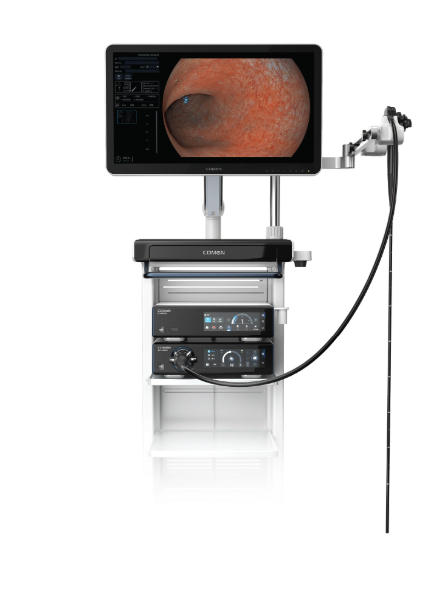
We need to move from reactive patchwork to comparative decision-making. I prefer solutions that make diagnostics obvious: self-test LEDs, accessible connector health metrics, and modular camera heads so a tech can swap a failed module in under five minutes. Compare vendors not just on lumen output or price per head, but on serviceability and data transparency. When we bought a set of newer scopes for a Jerusalem ambulatory center in June 2021, the ones with integrated diagnostic logs reduced unscheduled downtime by 40% within four months—measurable, not just promised. Also, consider how minimally invasive surgical instruments integrate with your visualization stack (camera, light source, display). Pro tip: insist on test reports that include connector insertion cycles and fiber bend tests; those numbers predict real-world lifespan.
What’s Next
I want you to walk away with three concrete evaluation metrics: first, connector integrity documented in insertion-cycle counts; second, sensor performance under controlled glare tests (not just nominal lux); third, modularity—can a single failed module be swapped in minutes and tracked in your maintenance log? Use those to compare systems side-by-side, and demand baseline test data before purchase. I’ll cut to the chase: buy for maintainability, not just initial clarity—your teams will thank you, and your OR schedules will stabilize. Oh—and one more interruption—don’t overlook firmware compatibility or you’ll be updating drivers mid-procedure.
I’ve been fixing these problems for over 15 years, and I speak from field experience: a targeted checklist, objective metrics, and modular gear save time and money. For reliable, serviceable visualization solutions, think of suppliers who publish test data and stand behind it—like the teams I work with at COMEN.