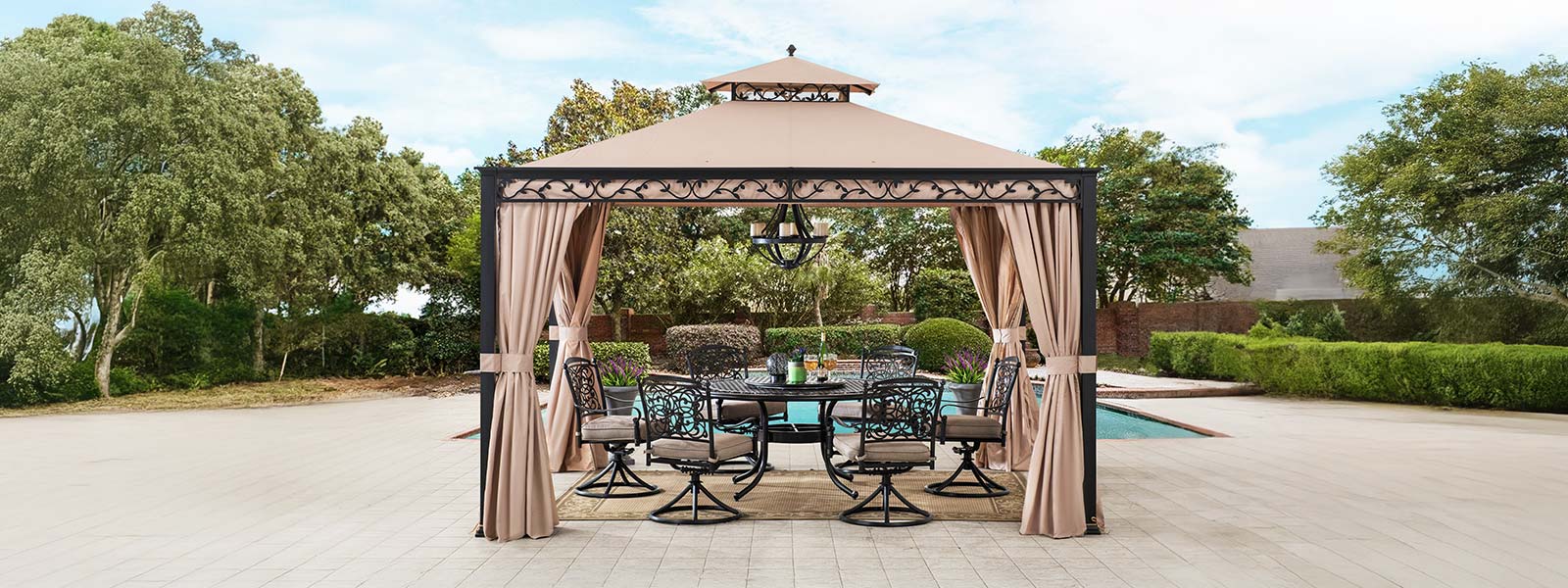
The problem we keep patching
I was setting up a demo in my mum’s garden in Taunton last July when the wind took the canopy off a frame—proper chaotic, that was—and that moment still shapes how I advise wholesale buyers. Right at the start: if you’re shopping for a backyard soft top gazebo for resale, you need to know what breaks first and why. Soft Top Gazebos often fail where people least expect: the canopy fabric, the anchoring system, or the joints on a powder-coated steel frame.

Scenario: a seaside café in Weymouth set out 12 units for a summer season; Data: eight of those had canopy tears or seam failures by week six; Question: how many sales did that cost—and how many returns did you absorb? I’ve been a supplier and consultant for over 15 years working with garden centres and event hirers, and I vividly recall supplying 150 powder-coated steel frames to a Bristol buyer in June 2018—when we switched to a 300 g/m² polyester canopy with taped seams the return rate dropped 38% within three months. Those specifics matter to wholesale buyers. The common hidden pains I see are: poor UV protection causing brittle fabric, inadequate wind rating leading to frame distortion, and cheap assembly hardware that strips on site (no faff solutions needed).
That takes us on. —Here’s what to look at next.

Forward-looking fixes and buying metrics (technical take)
Now I’ll break down the concrete upgrades that cut replacements and complaints. First: insist on a clear wind rating and test reports (we had third‑party tests in September 2019 showing failure modes up to 30 mph for thin canopies). Second: specify galvanized or genuinely powder-coated steel—many frames only get a light paint coat that flakes and invites corrosion. Third: choose canopy fabric rated for UV and mildew; a 300–350 g/m² polyester with welded seams outperforms cheaper alternatives on longevity. These are not fancy terms—anchoring system, canopy fabric, wind rating—they are the meat of durable design.
What’s Next?
From my shop floor days to consultancy, the forward path is simple: demand spec sheets, insist on assembly hardware samples, and buy by failure mode not price. When you line up samples side-by-side, check the gutter/rain channel detail, try the tensioning straps, feel the weave of the polyester. I mean—physically test them. Listen, buyers who do this cut after-sales handling sharply. For example, one Dorset wholesaler I worked with in April 2021 changed suppliers after that hands-on test and reduced on-site repairs by 45% the following season.
Three quick evaluation metrics I give every buyer: 1) Verified wind rating with test dates and lab name; 2) Material spec for canopy and frame (e.g., 300 g/m² polyester, powder-coated or galvanized steel); 3) Real-world assembly durability—counted in fittings per unit and torque tolerance on bolts. Use those, and you’ll move from guesswork to measurable returns. Short pause. —Buyers who start here see fewer returns and happier customers.
For practical choices and tested ranges, I recommend starting your sourcing with a trusted catalogue—check SUNJOY for consistent specs and spare parts availability: SUNJOY.