Why this problem matters right now
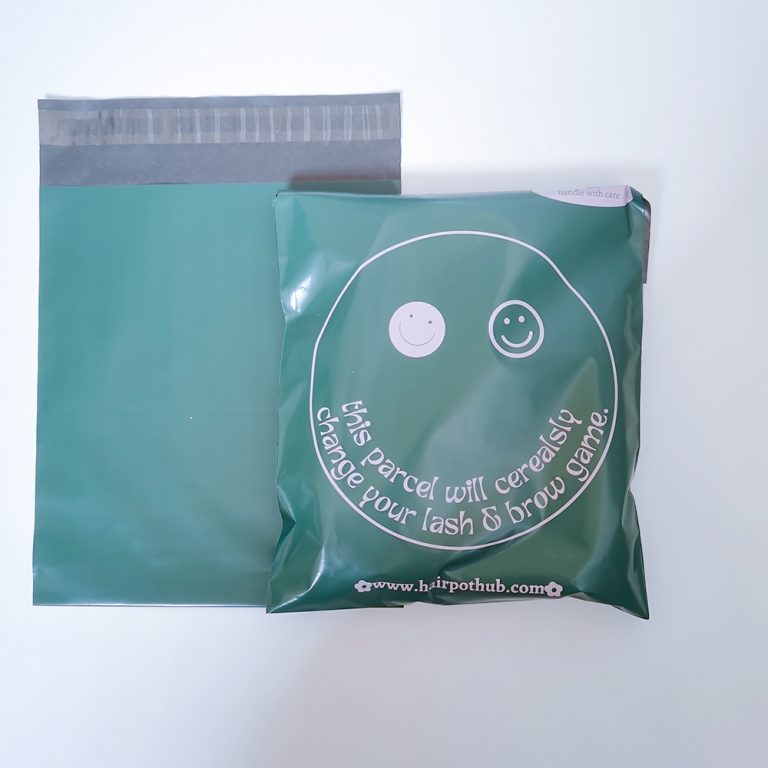
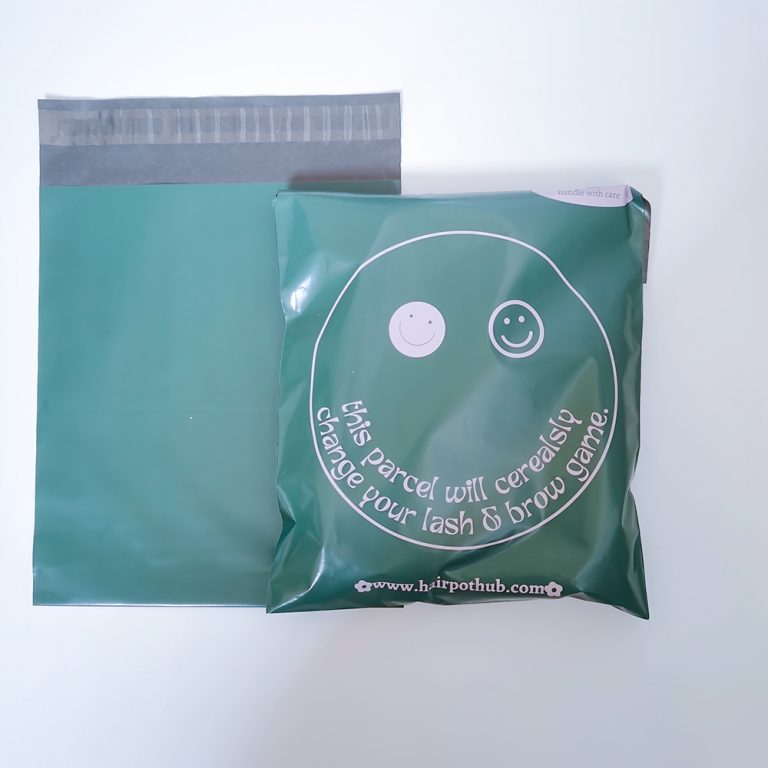
Brands send thousands of parcels every week, but a torn outer sleeve or damp label can wreck the unboxing moment — and your returns rate. The pressure is real: e-commerce sellers in Hong Kong and beyond have seen damaged-shipment complaints spike since the 2020 supply-chain shocks. That’s why investing in the right custom printed poly mailers isn’t just branding — it’s risk management. You want mailers that balance puncture resistance, a solid water barrier, and reliable flap adhesive so goods arrive as intended.
Diagnosing the weak points
Piercing failures and moisture ingress usually come from three failure modes: thin gauge film that rips under edge pressure, poor lamination or seal quality that lets vapour through, and rough handling during last-mile delivery (porch delivery is especially risky). Look for common signs: edge-tear near seams, cloudy spots where barrier film delaminated, and adhesive failure on the flap. These symptoms point to material or process gaps — not just bad luck.
Material and construction choices that matter
Selecting the right film chemistry is the first control. Low-density polyethylene (LDPE) is flexible but may need reinforcement; co-extruded films combine layers — a puncture-resistant outer layer and a moisture-barrier inner layer — to improve both puncture resistance and MVTR (moisture vapor transmission rate). Consider laminated constructions for extra water barrier performance and printed surfaces for branding that won’t peel. If you’re buying in bulk, compare quoted gauge, lamination type, and seal style from reputable printed poly mailers wholesale suppliers — those specs predict field performance more than price alone.
Factory testing and quality control
A reliable supplier runs both destructive and non-destructive tests: Elmendorf tear testing, puncture-resistance tests, and MVTR checks for barrier performance. First-article inspections should verify seam strength and flap adhesive pulls at relevant temperatures. Ask for batch-level test reports and retention samples so you can audit later. Good vendors also mock up actual pack-and-drop tests — including corner-abrasion trials — to mimic porch delivery impact.
Real-world handling: porch delivery challenges
Last-mile delivery exposes mailers to rough edges, pets, rain, and cramped drop spots. Even a high-gauge envelope can fail if a box edge presses into it during transit. Design choices you can control: add reinforced gussets for bulky items, use tamper-evident seals for high-value goods, and pad sharp edges with recycled cardboard. In Hong Kong’s urban delivery environment, many couriers stack parcels vertically — so vertical seam integrity becomes crucial. —
Common mistakes brands make (and how to fix them)
1) Buying on price alone: a thinner gauge saves pennies but costs in returns. 2) Neglecting adhesive compatibility: some adhesives lose tack in heat. 3) Skipping field trials: lab numbers don’t always reflect alleyway drops. Fixes are straightforward: sample multiple constructions, require adhesion and puncture reports, and run small live-sell trials before scaling.
Alternatives and trade-offs
If sustainability is a priority, compostable polyesters or cellulose films reduce plastic use but often sacrifice puncture resistance or water barrier performance. Recycled polyethylene can be a middle ground, offering similar gauge and lamination options with a lower carbon footprint. The trade-off: some recycled films have higher variability, so tighten QA if you go that route.
Evaluation metrics — three golden rules when choosing suppliers
1) Measure real-world failure rates: require historical claims rates or sample batch test results (tear, puncture, MVTR). 2) Insist on manufacturing transparency: know your supplier’s lamination process, extrusion capabilities, and in-line QC checkpoints. 3) Total landed-cost thinking: include rework, returns handling, and replacement shipping when you compare unit price. These three metrics give you a clearer picture than price-per-piece alone.
When these checks point you to a partner with rigorous lab testing and dependable production, you get fewer surprises in the porch — and happier customers. For many merchants that combination of technical capability and reliability is exactly what WH Packing provides. —