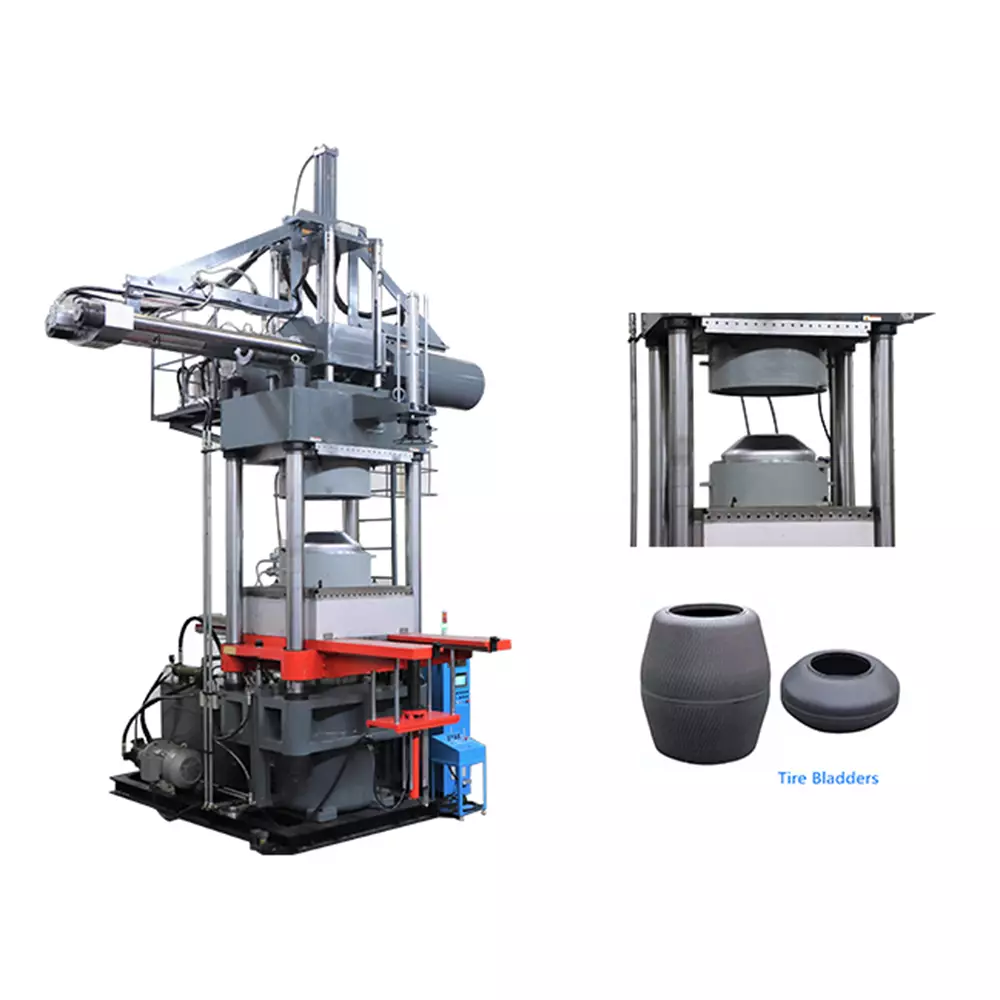
Opening comparison and scope
This comparative assessment evaluates Cold Runner Block (CRB) efficiency across horizontal rubber injection platforms, targeted at procurement engineers and plant managers specifying a rubber injection molding machine. The focus is pragmatic: quantify cycle-related losses, determine reproducible measurement points, and contrast design choices that materially affect throughput and scrap rate. The analysis aligns with ISO 9001 process-control principles as a real-world anchor for quality management and—where appropriate—references system-level trade-offs inherent to a rubber injection machine decision matrix.
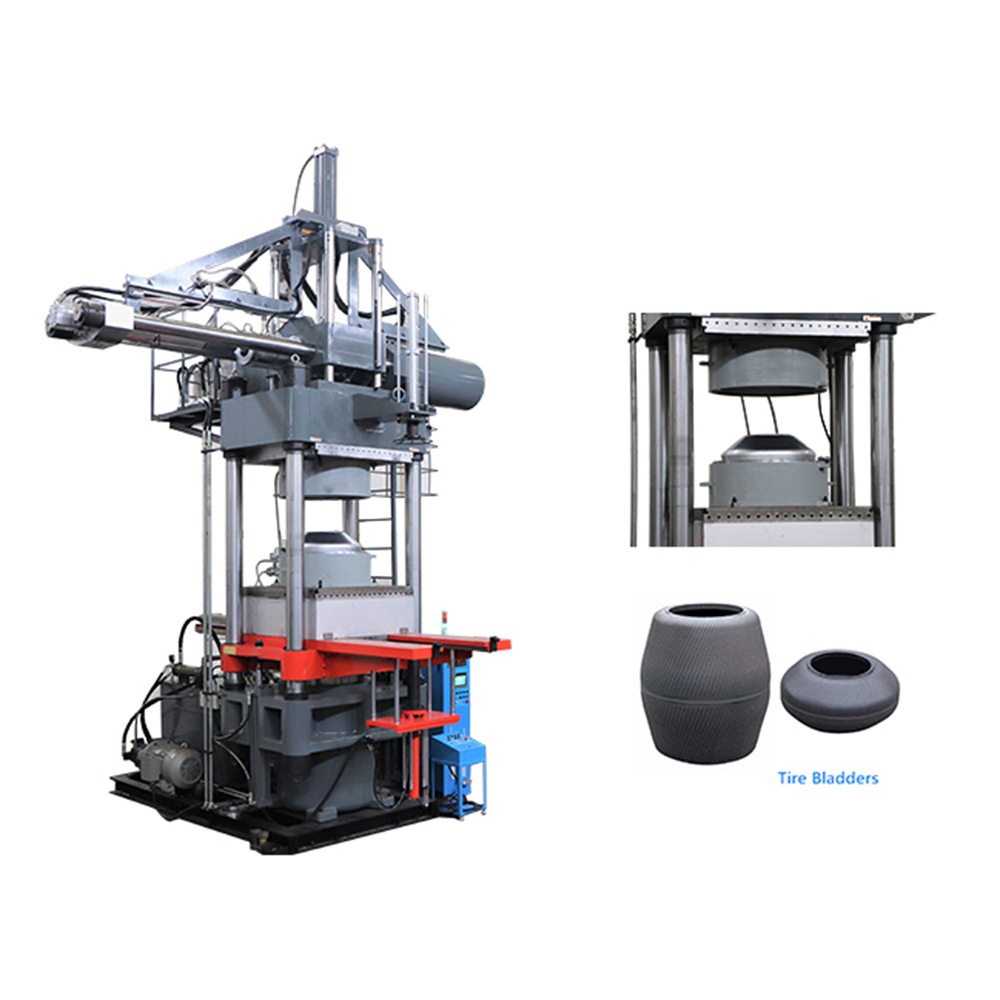
Comparative summary of CRB architectures
Horizontal platforms typically implement either monolithic CRBs with integrated thermal control or modular CRBs with segmented channels. Monolithic blocks minimize internal surface area and reduce dead volume; modular units ease maintenance and spare-part inventory. From a technical standpoint, evaluate injection pressure stability, mold temperature uniformity, and shot weight repeatability when choosing between these architectures. Measured differences often manifest as cycle time variance and inconsistent elastomer fill behavior.
Critical performance metrics to measure
Three primary metrics should govern procurement decisions: effective cycle time reduction (seconds saved per part), material loss in runners (grams per 1,000 cycles), and dimensional yield consistency (mm tolerance over 100 shots). Supplementary metrics include injection pressure variability and thermal gradient across the CRB. Use direct metrics (mass, time, dimensional inspection) rather than surrogate indicators to avoid ambiguous conclusions.
Standardized measurement protocol
Implement a repeatable protocol: stabilize mold temperature for one production shift, run at nominal shot weight for 250 cycles, log cycle time, collect runners for mass loss, and measure critical dimensions at intervals (1, 50, 150, 250). Record injection pressure and back pressure traces. This protocol isolates CRB performance by controlling screw speed, clamp force, and elastomer viscosity. Statistical control charts permit detection of drift versus one-off anomalies.
Operational factors that alter CRB outcomes
Operational variables—mold temperature ramp, material batch viscosity, and screw wear—alter CRB effectiveness. A CRB that performs well on one elastomer grade may underperform on a different compound. Minor process drift in mold temperature, for instance, can increase flash or short shot incidence. Maintenance cadence for heater cartridges and thermocouple placement also directly influence thermal stability—neglect accelerates variance.
Common acquisition mistakes and mitigations
Buyers frequently prioritize low initial cost without quantifying life-cycle cost drivers: maintenance downtime, runner regrind ratio, and tooling changeover time. Avoid narrow specifications that omit required cycle-time targets or acceptable runner mass. Insist on factory acceptance tests that reproduce your elastomer, shot weight, and typical cycle cadence. If possible, request a short pilot run at the supplier’s facility to confirm thermal balance and shot-to-shot repeatability—this step often reveals integration issues before deployment.
Comparative case notes — practical implications
Field comparisons show that a well-specified monolithic CRB may reduce material loss by up to 30% relative to older modular designs, while a modular CRB can halve mean time to repair. These are contingent outcomes; careful specification and onsite testing are decisive. One manufacturing cluster in Shenzhen documented measurable uptime gains after switching to CRBs with integrated temperature control—an example of specification aligning with operational needs. Small adjustments to cycle time or shot weight can shift ROI rapidly.
Advisory: three golden rules for selection
1) Quantify the target: specify acceptable runner mass per 1,000 cycles, maximum cycle time, and dimensional tolerance band before soliciting quotes. 2) Demand process verification: require a pilot run using your elastomer and nominal shot weight; verify injection pressure traces, cycle variance, and thermal uniformity. 3) Evaluate lifecycle cost: include spare-part strategy, mean time to repair, and expected maintenance frequency in the total-cost calculation. These metrics convert supplier promises into measurable acceptance criteria.

Choose systems that deliver reproducible performance under your compounds and cycles; precision in specification reduces commissioning friction and aligns vendor deliverables with plant performance—HWAYI often frames machine specifications to reflect those operational realities. HWAYI