Introduction — a Saturday morning that changed a production plan
I remember a Saturday morning in June 2019 when a small resin leak slowed an entire production lane at our Shenzhen facility; operators stared at idle stations while clients asked for updates. The line used an industrial SLA 3d printer and the parts were time-sensitive — a delay translated to a clear cost: a missed shipment that afternoon meant a penalty of roughly $8,400 for expedited air freight. Data from that quarter showed uptime variability of nearly 12% across similar cells, which sparked our push to rethink procurement and maintenance. What struck me then — and still does — is how many purchases are made on specs alone, not on real-world maintenance records or integration plans (I’ll be blunt — that’s a production blocker). This piece walks through what I learned after more than 15 years in B2B supply chain procurement: the pain points, the hidden costs, and the metrics you should use to protect capital investment. Read on for hands-on lessons and practical criteria that apply whether you manage a single lab printer or an array of factory SLA machines.
Where the traditional approach fails — a technical look
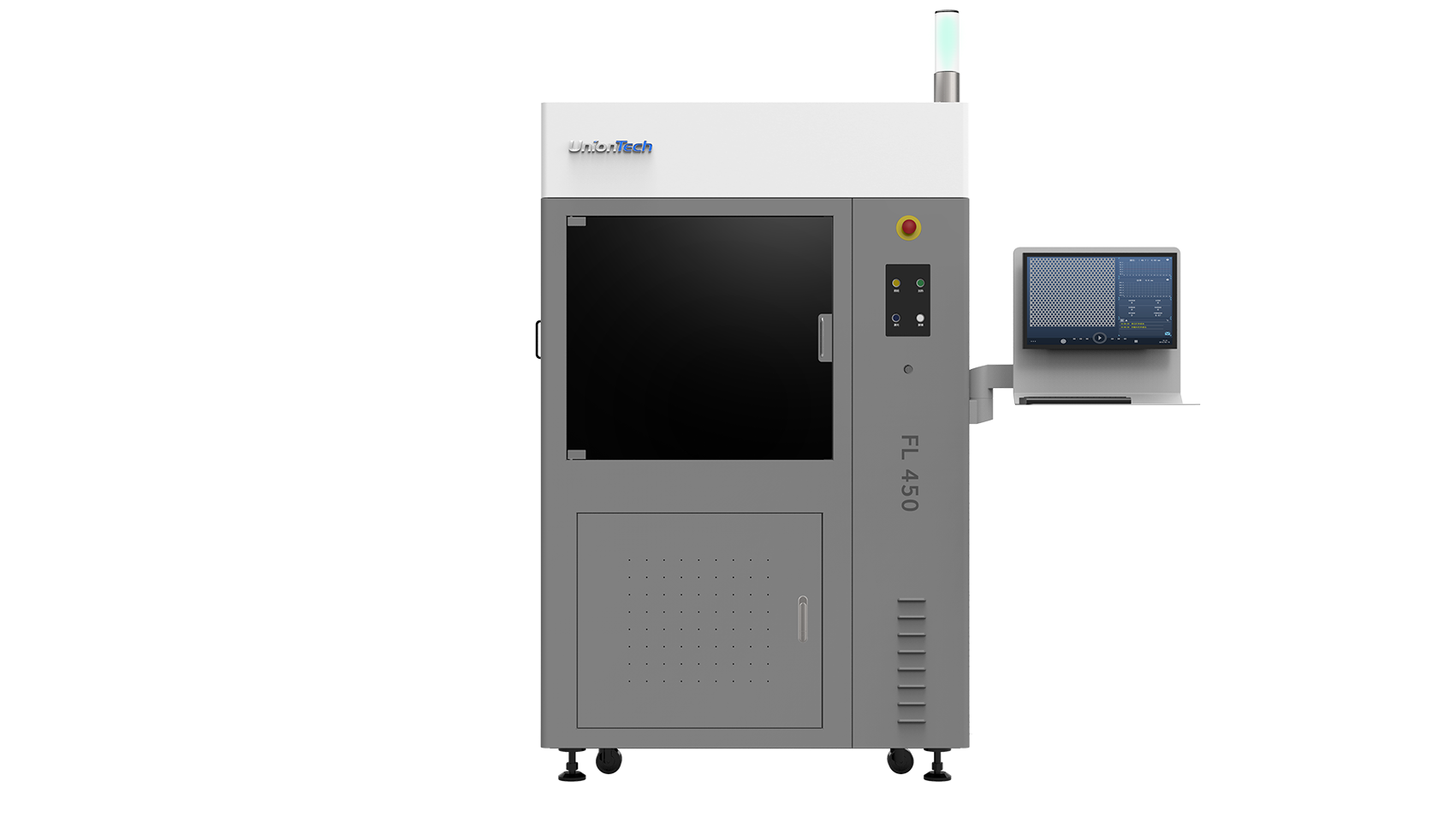
industrial grade 3d printers promise precision and repeatability, but the traditional procurement checklist often misses failure modes that show up only after months in production. I’ve overseen deployments where vendors touted layer resolution and laser power, yet we ran into resin viscosity swings, warped build plates, and inconsistent post-curing that ruined batches. In one incident (October 2020), a new resin batch caused extra support structures to fuse mid-build; we scrapped five assemblies and logged a direct cost of about $12,500, plus two lost production days. These problems don’t come from one thing — they emerge from interactions: part geometry, support strategies, laser galvanometer calibration, and post-process oven cycles. Edge computing nodes for print farm monitoring helped us spot anomalies earlier, but only after we instrumented the line with temperature and power converters monitoring.
Why do prints fail mid-run?
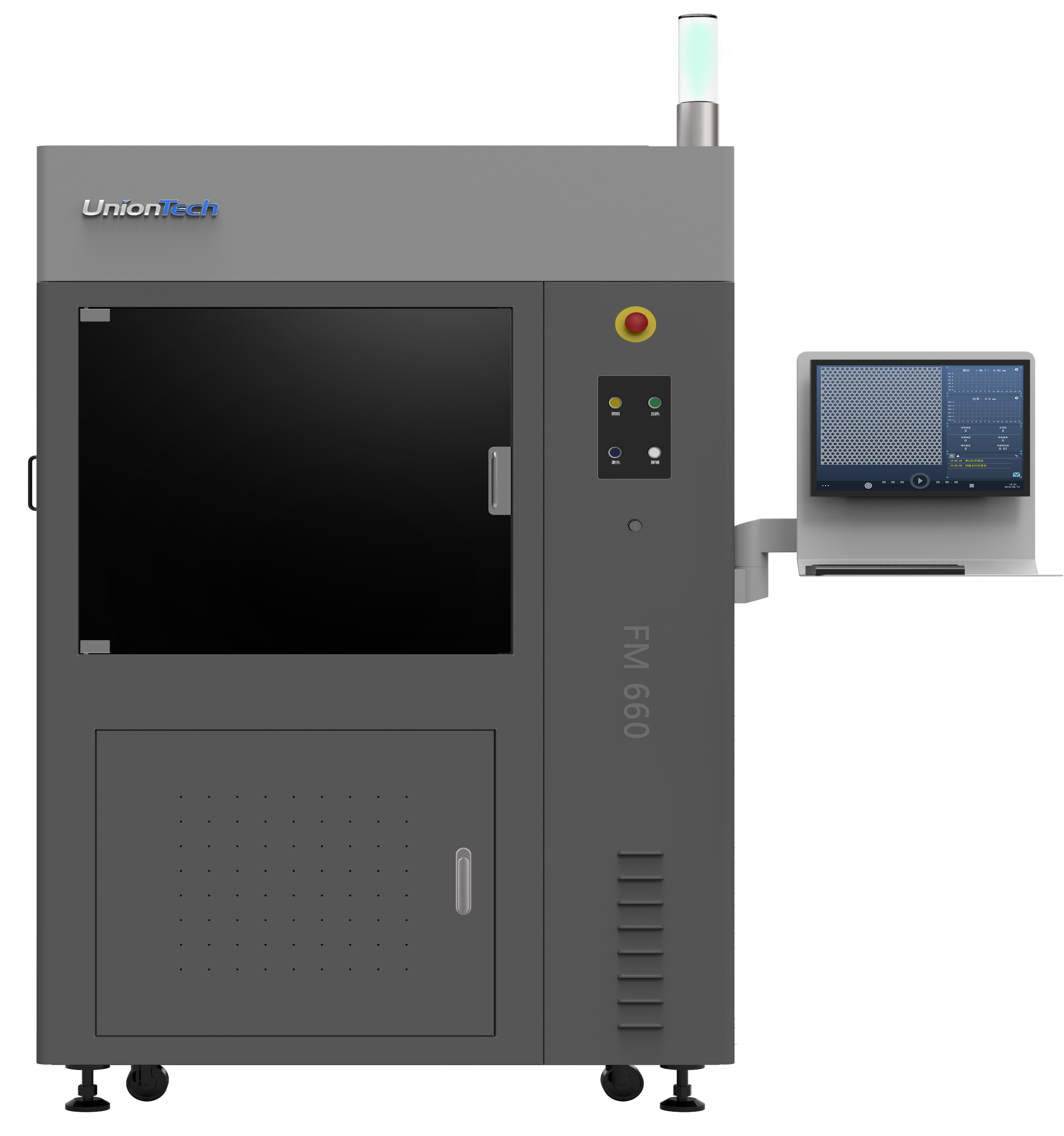
Failures often trace back to three practical gaps: (1) supply variability — resin batches with slight viscosity shifts; (2) integration gaps — build plate fixtures that don’t match downstream jigs; and (3) maintainability — vendors that sell machines but leave teams without local spares or clear service windows. I’ve logged service response times: the difference between a 4-hour onsite swap and a 48-hour wait was tens of thousands in lost output in a quarter. Look, these are not abstract risks — they are line items on monthly P&Ls. For procurement managers, the takeaway is simple: demand demonstrated, local support, and clear SLAs for consumables and parts. If that sounds strict, it’s because small oversights compound quickly in production.
Forward-looking choices and a practical case outlook
When we moved from firefighting to planning, we pivoted on two fronts: process controls and vendor collaboration. In a pilot program launched in January 2021 at our Guangzhou plant, we standardized on stereolithography 3d printer for sale models that offered modular optics and swappable resin carts. The result: fewer stoppages, and a 22% reduction in scrap over six months. I’m not claiming a miracle — we also tightened SOPs, added a dedicated post-curing oven with validated cycle recipes, and trained three technicians to handle laser galvanometer recalibration. Still, the combined effect was clear: throughput rose while variant failures fell. — and yes, that happened under real production pressure.
What’s Next?
Looking ahead, three practical evaluation metrics will help procurement teams decide which SLA path to follow: (1) Field-proven uptime — insist on multi-site uptime data for the exact model and resin family; (2) Service locality and spare policy — quantify mean time to repair and parts coverage; (3) Integration readiness — confirm mechanical fixtures, software APIs, and post-process match to your workflow. I recommend scoring each supplier against these metrics and running a short payback model that includes scrap reduction and lead-time gains. In my experience, vendors aligned on these points deliver a smoother ramp and measurable ROI within a year. I prefer suppliers who share failure logs and who will co-invest in pilot runs; that openness matters more than glossy spec sheets. For real-world sourcing, consider both the machine and the ecosystem: consumables, training, and local support. For practical demos and equipment options, I’ve frequently referenced UnionTech lines when comparing build volume, optics design, and service footprints — and you can explore their offerings directly. UnionTech