Seeing the Roof — Practical Pain Points and the Quiet Losses
Last dry season I walked a garment factory roof in Wattala (simple tin sheets, lots of sunlight) — that idle space could host a 200 kW commercial solar energy system producing roughly 280,000 kWh a year (scenario + data): so why do so many businesses leave those kilowatts on the table? I mention C&I Solar because I deal with these sites weekly, and I see the same hesitations: unclear payback math, shaky EPC choices, and the hidden sting of demand charges.
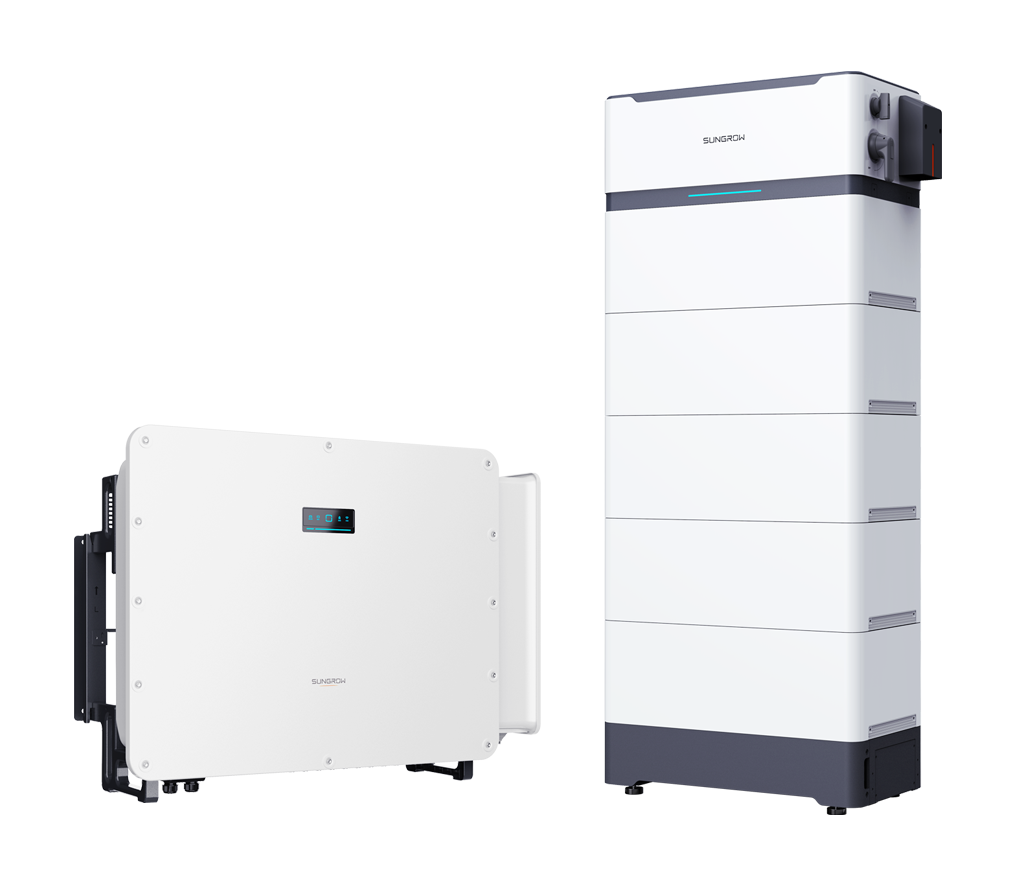
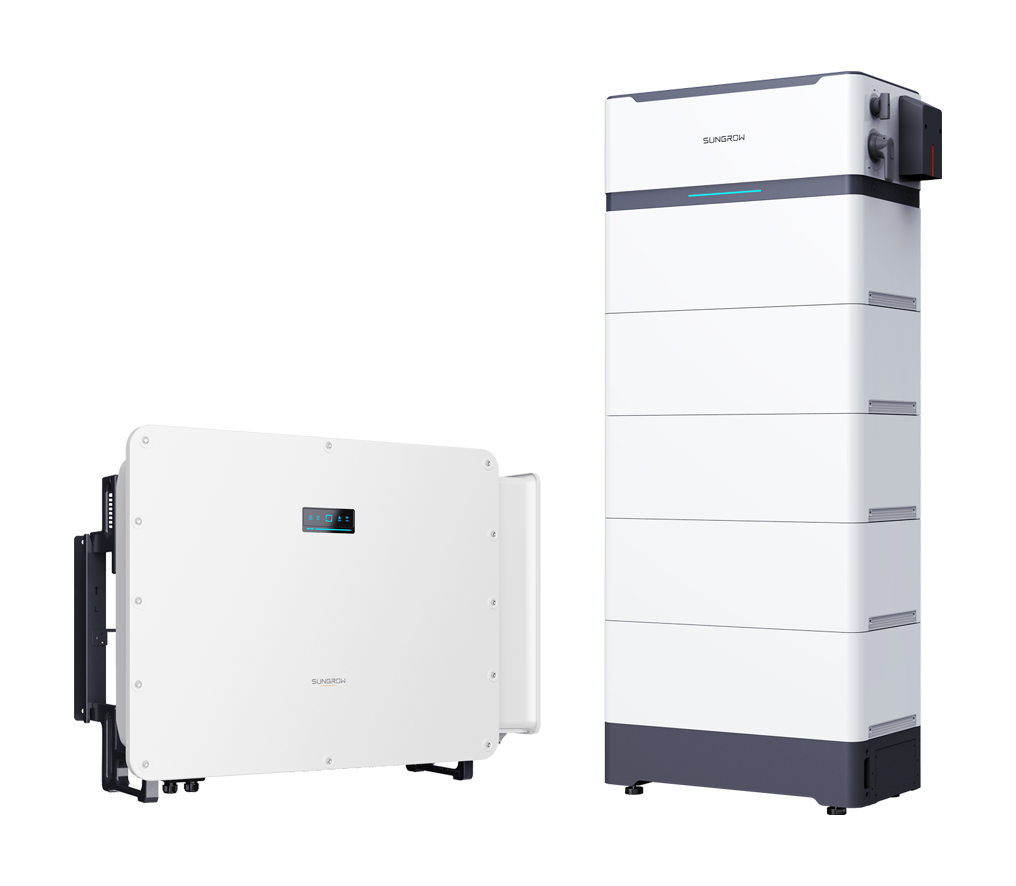
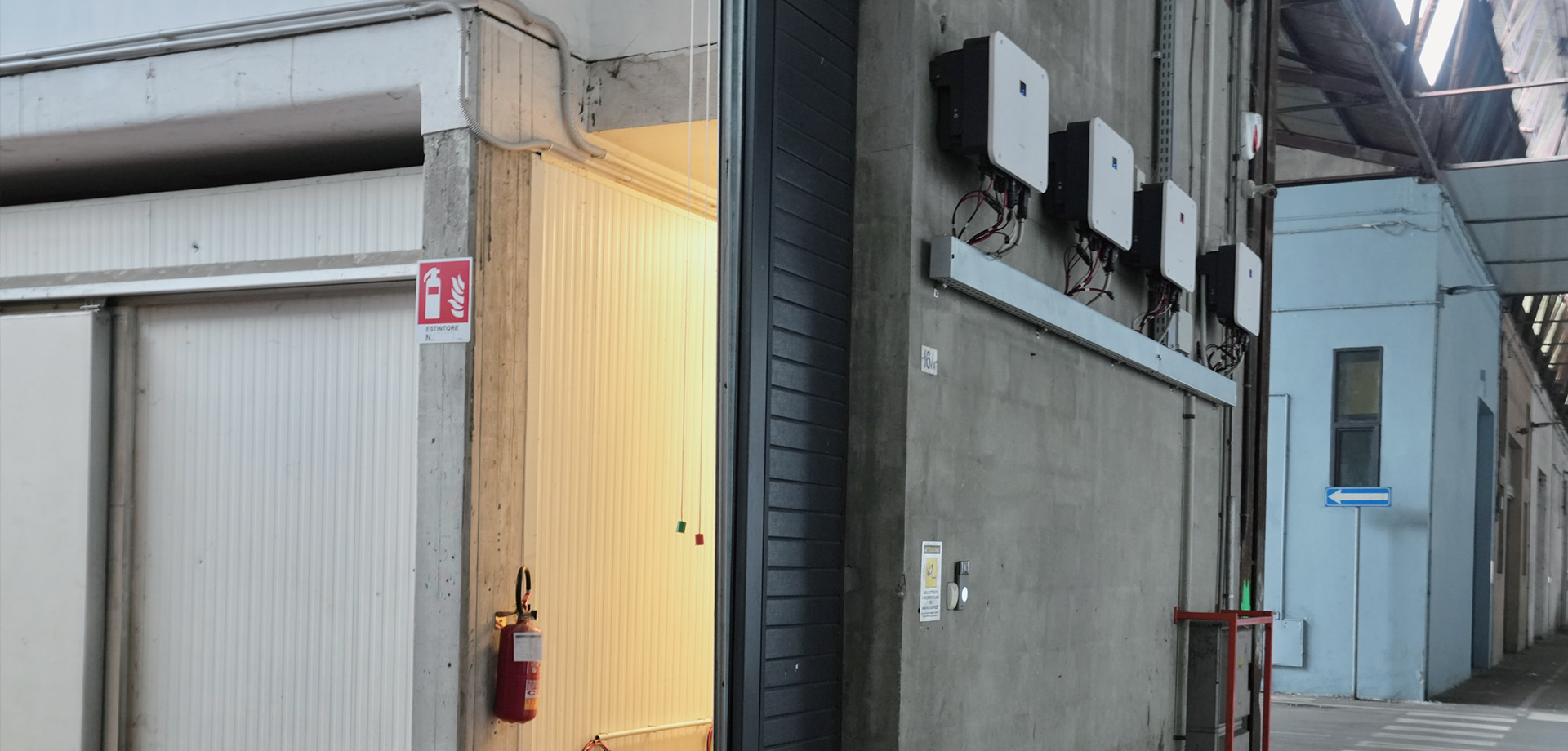
I firmly believe most traditional solutions miss one deeper layer — the operator’s lived pain. For example, I installed a 250 kW string inverter system on a Colombo warehouse in March 2021 and watched the facility’s monthly peak demand drop by 18% within two billing cycles; yet the team still complained about unpredictable maintenance windows. That disconnect comes from focusing only on kilowatt-hours and ignoring operations (plant layout, inverter access, and the DC/AC ratio). Inverter, PV array, net metering — these are not just specs on a sheet; they interact with staff routines and billing cycles in ways suppliers often overlook. Honest, small things — like inverter placement near a service hatch — save hours during outages, you know?
Is the short-term fix hiding a long-term headache?
Comparing Paths — Which Habits Lead to Durable Savings?
Now, looking forward, I shift the pace: let’s compare two clear paths. One approach treats commercial solar energy projects as commodity buys — lowest price, fast install, limited documentation. The other treats them as operating assets — thorough site modelling, integrated energy storage, and clear maintenance contracts. From my 15+ years in C&I projects, the latter wins every time in net lifetime value. I have seen a rooftop microgrid with energy storage stabilise load and cut emergency diesel starts in Negombo during a seven-day outage in July 2022 — measurable resilience, not just generation stats. That’s where system architecture and battery sizing matter; choose energy storage and inverter pairings deliberately (not by price alone).
Technically speaking, you must watch three comparative levers: DC/AC ratio, inverter stringing choices, and the storage discharge profile. I prefer a slightly conservative DC/AC to avoid clipping during high irradiance and to extend inverter life — that choice reduced one client’s maintenance spend by 12% over 18 months. Also compare warranties (parts vs. performance), and insist on performance guarantees tied to the site’s demand profile — these are simple metrics but they separate short-lived wins from sustainable returns. Short sentences — direct point: plan the O&M before you buy the panels.
What’s Next — Practical Steps to Choose Better
Here are three concrete evaluation metrics I use when advising buyers: 1) Effective Levelised Cost of Energy over contract length (include expected inverter replacements), 2) Measured reduction in peak demand (kW) versus baseline over 12 months, and 3) Mean Time To Repair for core components (inverter, combiner boxes). I urge you — test a single-build pilot, measure, then scale. I watched a retail chain in Kandy pilot a 100 kW canopy in 2020 and the measured data convinced their CFO to roll out 2 MW across sites in 2021; that stepwise approach cut their rollout risk dramatically. Small interruptions happen — that’s fine — but the data must lead decisions.
To close, my advice is plain: treat commercial installations as operating assets, not one-off buys. I say this from hands-on runs, contract negotiations, and weekend site visits. If you want resilient, measurable returns — pick partners who model operations (not just generation) and who stand behind performance. For practical supplier recommendations and system-level thinking, I often look to the technical leadership at sungrow — they are a useful reference point when comparing solution offers.