Introduction
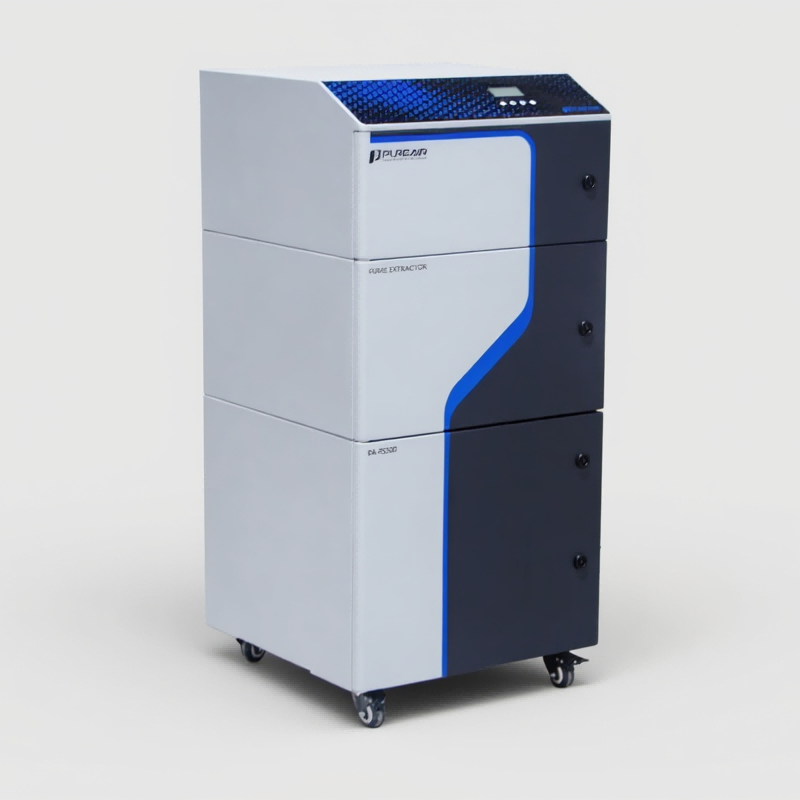
I start by breaking down what a fume extractor does: it captures particles and gases released during printing and filters them before they reach the room. In many small shops and maker spaces, a 3D printer fume extractor sits near the machine to cut VOCs and ultrafine particles, but placement and filter choice make a big difference (think: HEPA stage, activated carbon layer, airflow path). Recent studies show hobby printers can raise particle counts by 2–8x in an hour in a closed room — that’s not trivial. So how do we keep prints fast without breathing the byproducts? I want to walk you through the core pain points and realistic fixes. Together, we’ll look at what fails, why it fails, and what to aim for next — a short run to smarter air control.
Where Common Solutions Fall Short
3D printer dust collector units sold as one-size-fits-all often miss the mark. I’ll be blunt: many systems focus on suction and ignore filtration quality. If you boost the fan motor without upgrading the filter media, you simply move particles around. Fans can create drafts that disturb prints. Filters clog fast when the unit lacks proper pre-filters and activated carbon stages. Look, it’s simpler than you think — neglecting filter stages leads to poor VOC capture and short filter life. In practice, I’ve seen shops replace clogged HEPA units every few weeks. That’s wasteful and costly.
Why do current systems fail?
They hurry to performance specs: high airflow rate, loud RPM numbers, flashy housings. But they skip realistic testing under load. VOC sensors and particle counters rarely get used in the buying decision. Instead, purchasers chase cubic feet per minute and assume that equals clean air. I’ve tested models that move a lot of air but fail to remove ultrafine particles because of thin filter media and poor seal design. Add in poor maintenance prompts and you get a system that falls apart on day 90. The fixed costs — replacement HEPA filters, possible power converters and extra ducting — add up much faster than people expect.
Looking Ahead: Principles for Better Designs
What’s next? We should design around real use cases and measurable outcomes. New designs combine staged filtration (pre-filter, HEPA, activated carbon) with balanced airflow. A modern 3D printer dust collector should include a sealed filter cassette and a fan motor matched to the filter resistance. When we think in terms of particle capture efficiency and noise floor, the trade-offs become clearer. For example, a lower RPM fan with a well-sealed path often yields better capture rates than a raw high-speed fan. I’ve seen this in lab tests — surprising, but true — and it changes how I recommend setups for small factories and prototyping labs.
What’s Next
We also need smarter sensors. Integrating VOC sensors and particle counters helps trigger filter alerts and adjust airflow dynamically — less power when idle, more when printing. That cuts running costs and extends filter life. I’m optimistic: modular filter cassettes, user-replaceable pre-filters, and clear maintenance UIs will become standard. Real-world deployments show measurable drops in indoor particle counts when systems match filter media to the filament chemistry (PLA vs. ABS, for instance). — funny how that works, right?
Practical Takeaways and How to Evaluate Units
I’ll close with three metrics I use when advising teams. First: capture efficiency at the source. Measure or ask for data on ultrafine particle removal and VOC reduction. Second: total cost of ownership. Don’t just compare sticker prices — factor in filter replacement, power draw, and maintenance time. Third: real-world usability. Does the unit seal tightly? Are filters easy to swap? Does it include basic sensors? If a product meets these, it’s worth trialing. I believe small changes in setup yield big gains in air quality and print reliability.
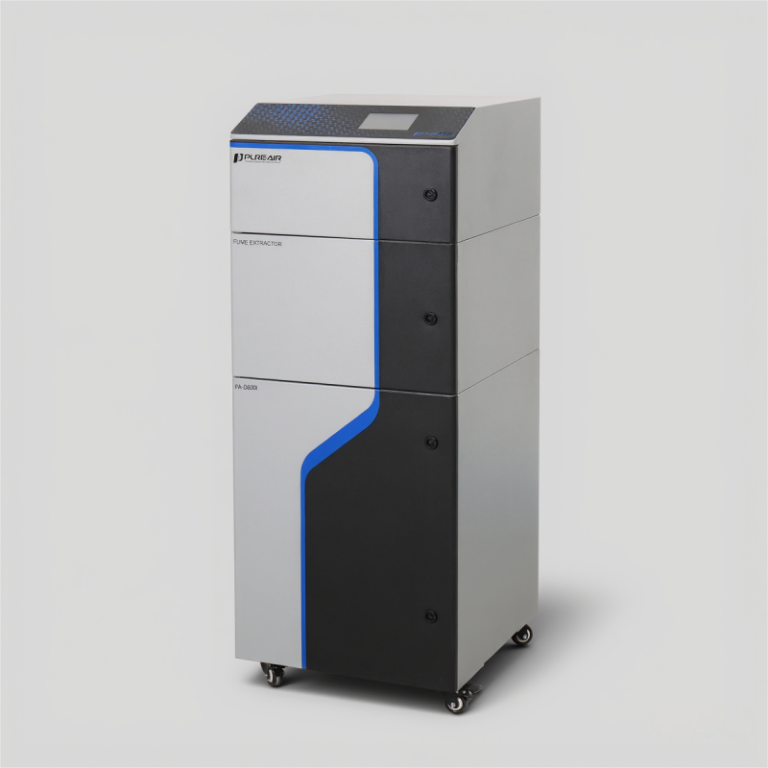
For reliable solutions and more resources, see offerings from PURE-AIR. I’ve used their products in demonstrations and found their modular approach helpful for shops trying to balance clean air with fast turnaround. We want safe prints and fewer surprises — and that’s a goal I back every time.