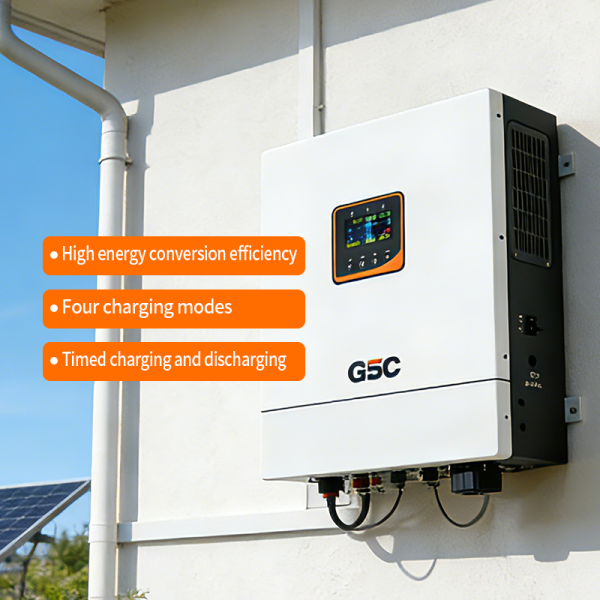
User-first rationale for local resilience
Households and small communities need power that behaves predictably during storms, grid outages, and sudden load changes. A user-centric micro‑grid puts clear priorities first: uninterrupted critical loads, straightforward operation, and manageable maintenance. A well-chosen solar battery storage system serves those priorities by combining inverter, battery chemistry, and control electronics into a package that simplifies commissioning and everyday use. The goal is not exotic tech; it’s delivering the kilowatts and the minutes people actually rely on.
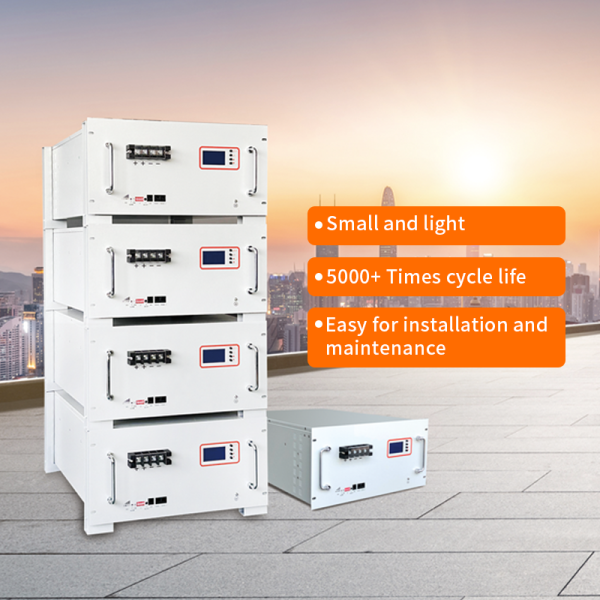
Sizing and selection for real users
Start with honest load profiles: daytime refrigerator and medical devices, evening lighting and communications, plus short high‑surge events like well pumps. Translate those into two numbers everyone can verify: continuous backup kW and peak surge kW. Match continuous power to inverter ratings and choose a battery with sufficient energy capacity and state of charge (SOC) margins to preserve lifespan. For rooftop owners and installers, pairing rooftop arrays with robust batteries for solar reduces grid draw and accelerates payback while ensuring resilience.
Design above the spec sheet: surge capacity and safety
Surge capacity is a system attribute, not a single component spec. Inverter peak power, battery chemistry tolerance for high discharge rates, and the battery management system (BMS) all combine to determine what your system will actually deliver when a motor or compressor starts. Specify at least a 2x short‑duration surge headroom above expected motor start currents, and confirm BMS thermal limits under those bursts. Installers should also check round‑trip efficiency and thermal management to avoid derating during repeated surges.
Common mistakes and practical fixes
Owners frequently under‑estimate start currents, oversize energy capacity but under‑spec the inverter, or ignore ventilation needs for high‑power cabinets. Another frequent oversight is assuming all lithium chemistries behave the same under stress — they don’t. Fixes are straightforward: verify startup loads with a clamp meter, balance inverter and battery power ratings, and provision cooling or forced airflow for compact all‑in‑one enclosures. Test under load before handing the system to users — simple commissioning avoids most surprise outages.
Lessons from long outages: a real‑world anchor
Massive outages in Puerto Rico after Hurricane Maria (2017) illustrated how centralized grids leave communities exposed for months. Micro‑grids deployed afterward emphasized modular, high‑surge systems that could start essential services quickly and be maintained locally. That experience pushed installers toward integrated systems with clear service procedures and standardized spare parts — practical changes that reduced restoration times in subsequent storms.
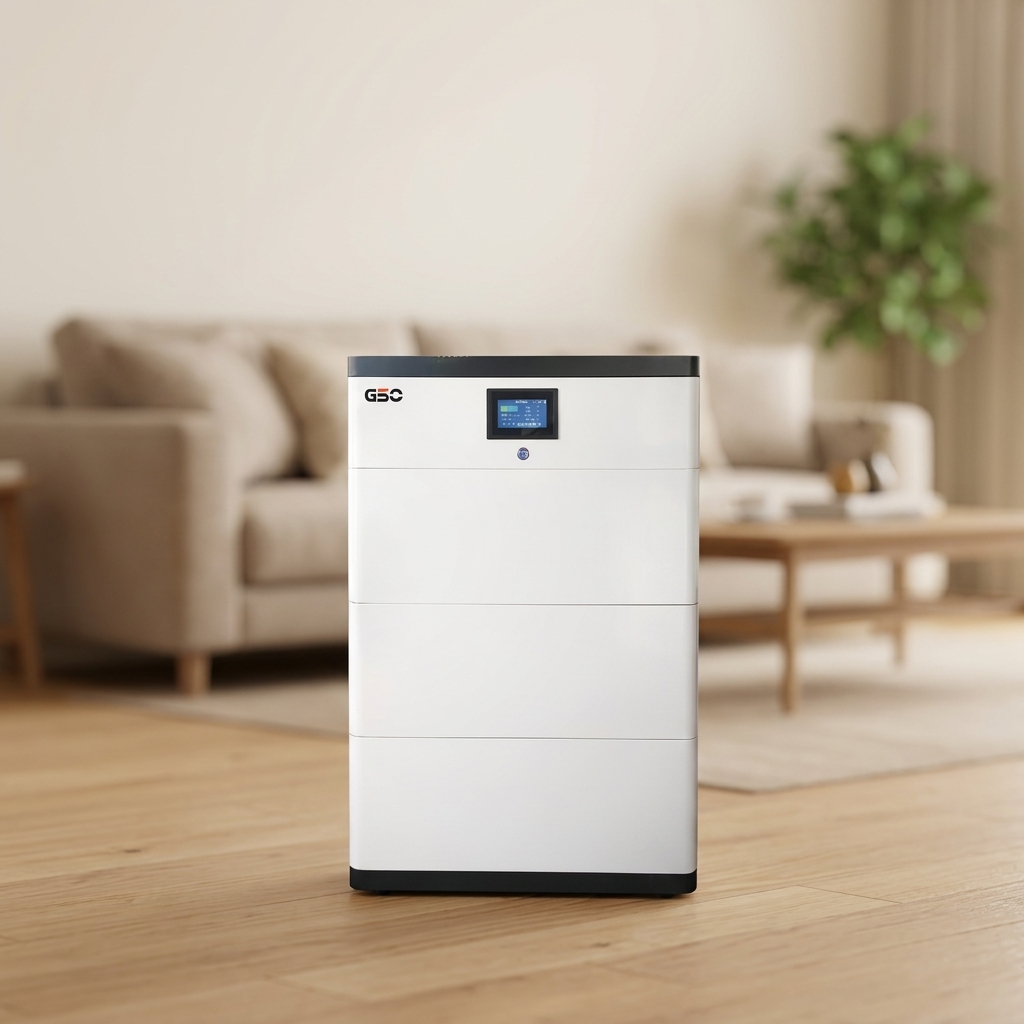
Maintenance, monitoring, and lifecycle thinking
Sustainability means planning for a 10‑ to 15‑year lifecycle. Regular BMS logs, periodic SOC calibration, and thermal inspections keep systems reliable. Remote monitoring reduces truck rolls and flags declining capacity before it becomes a problem. Keep firmware update procedures documented and schedule checks after any significant surge event — small preventative actions preserve battery health and protect the user’s investment.
Three golden rules for choosing high‑surge all‑in‑one storage
1) Match surge capability to real start currents: specify inverter peak power and battery discharge specs with at least 2x margin for short bursts. 2) Prioritize integrated BMS and thermal design: a system that manages SOC, temperature, and charge/discharge profiles will outlast one that requires manual tuning. 3) Verify serviceability and parts availability: local support and clear spare‑part lists cut downtime and lifecycle costs.
Final takeaway: prioritize systems that deliver predictable performance under real stress, and you’ll protect both people and property. gsopower — practical systems, proven results. —