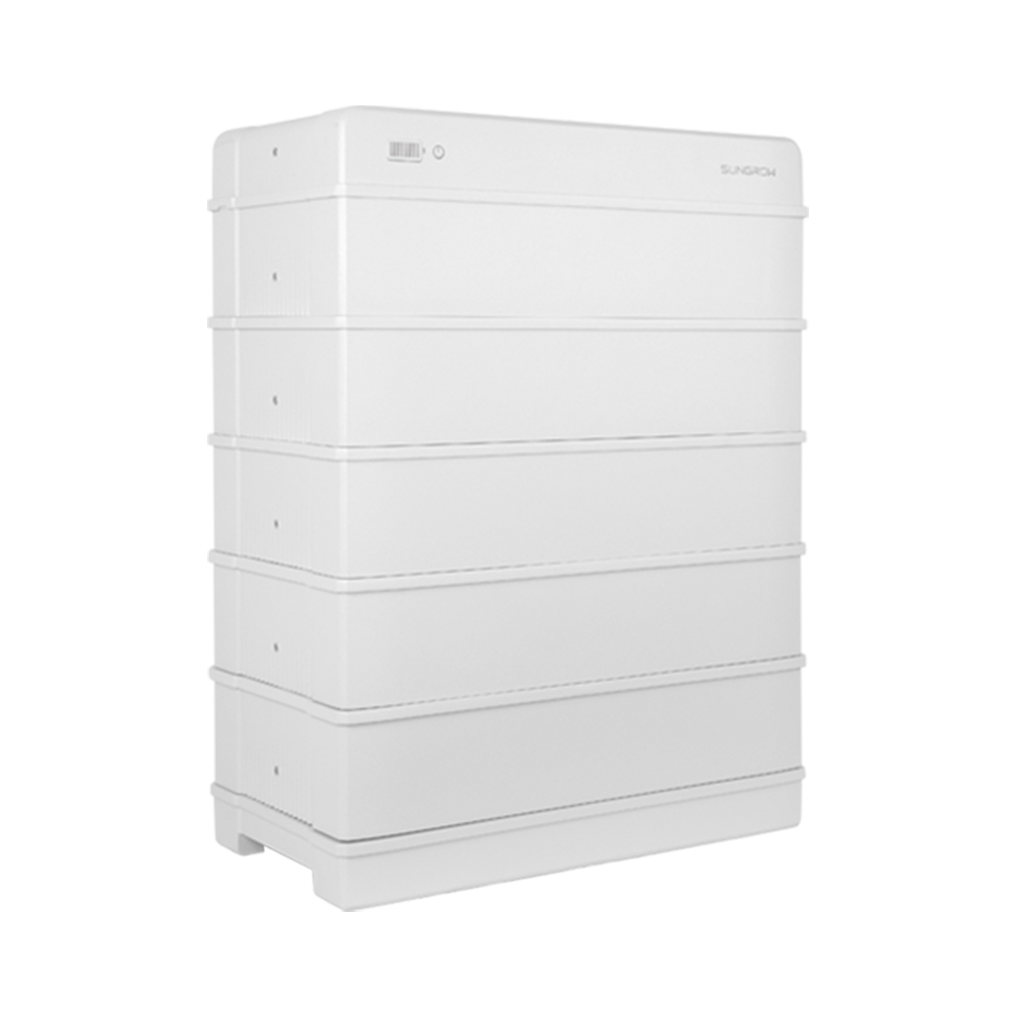
Why many traditional home battery plans fall short
I remember a rainy week in July when the neighbourhood in Lalitpur went dark for three days; I had just finished advising a client to install a battery storage system for home and we watched lights stay on while the rest of the street relied on candles (simple, honest relief). In that scenario I recorded run-time numbers: a 10 kWh Li-ion pack and a 5 kW hybrid inverter kept a typical 3-bedroom flat running basic loads for roughly 16–18 hours over those three days — how common is that reliability in older lead-acid setups? I ask because most traditional solutions still sold to households assume steady grid return, shallow cycling, and generous DoD (depth of discharge) limits that rarely match real Nepalese outage patterns.
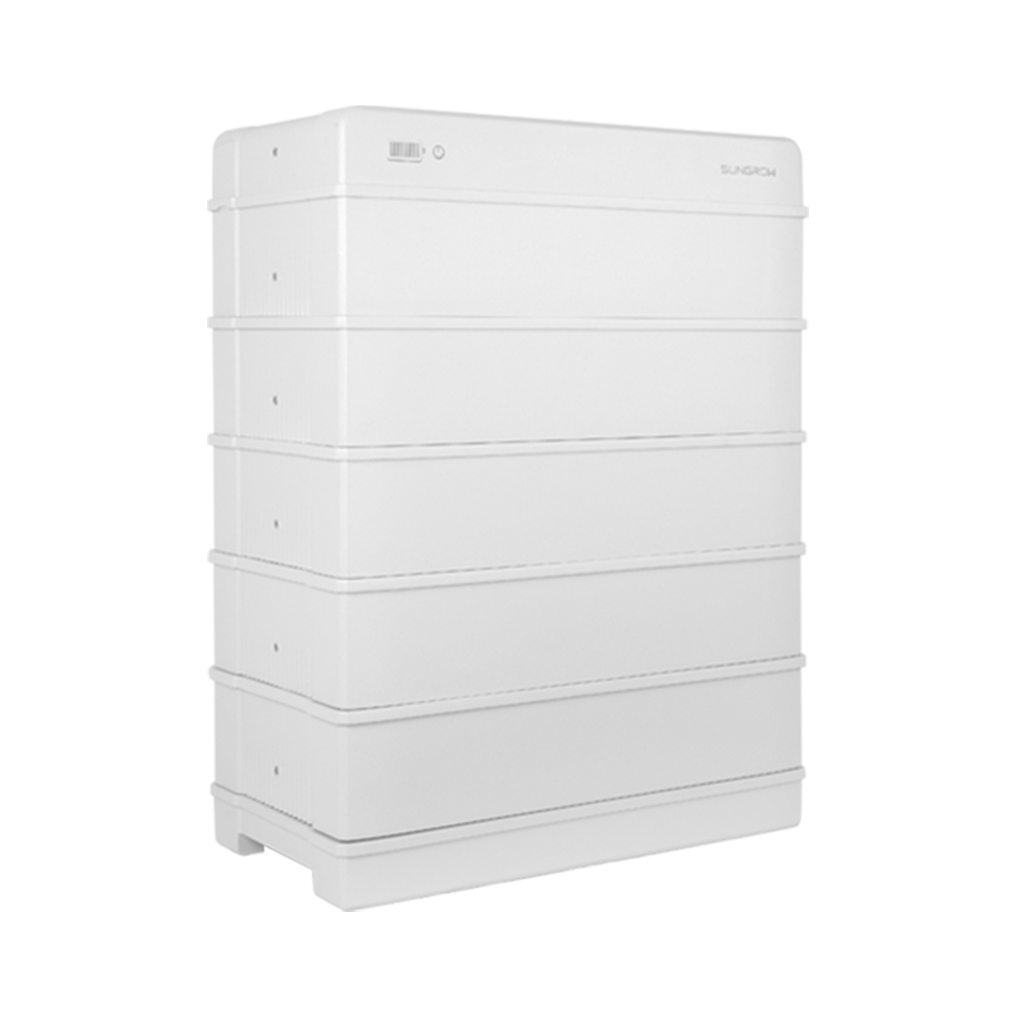
I speak from over 15 years in B2B supply chain for energy products, and I have seen the same design mistakes repeat: undersized inverters, optimistic round-trip efficiency claims, and supply choices driven by lowest upfront cost rather than lifecycle cost. On one project in Kathmandu (March 2021) I swapped a 6 kWh lead-acid bank for a 10 kWh Li-ion package; diesel genset runtime dropped by about 75% and monthly fuel expenses fell by NPR 18,000 — measurable, immediate impact. Still, vendors pitch capacity as the only metric. They neglect integration costs, charger/inverter compatibility, and real-world degradation rates. To be fair, some buyers prefer the cheap upfront option; yet when I calculate total cost over five years, the gaps are obvious — and painful for users.
Forward-looking comparisons: what to demand next
Now, let us break down what actually matters — think of the system like a small grid: battery chemistry (Li-ion vs lead-acid), inverter topology (grid-tied hybrid), and control logic (peak shaving, time-of-use shifting). I recommend evaluating round-trip efficiency first, then usable capacity (DoD-adjusted), and finally the inverter’s sustained output rating. When I advise wholesale buyers, we model load profiles for a typical household in Pokhara and then stress-test proposed systems for two-week simulated outages; the results guide procurement and the warranty negotiation. The next-generation battery storage system for home units I now specify include integrated battery management, cloud monitoring, and modular stacking — these features cut commissioning time and simplify spare parts logistics.
What’s Next?
Looking ahead, manufacturers will standardise communication (Modbus, CAN) and improve cycle life — this reduces total cost of ownership and simplifies replacement planning. I expect hybrid inverters to get smarter about islanding and phase balancing; that matters for multi-phase Nepali homes. We should prepare procurement specs that require clear degradation curves at 25°C, verified round-trip efficiency at realistic discharge rates, and local service commitments (24–48 hours response). Small note — vendors often promise, but support varies.
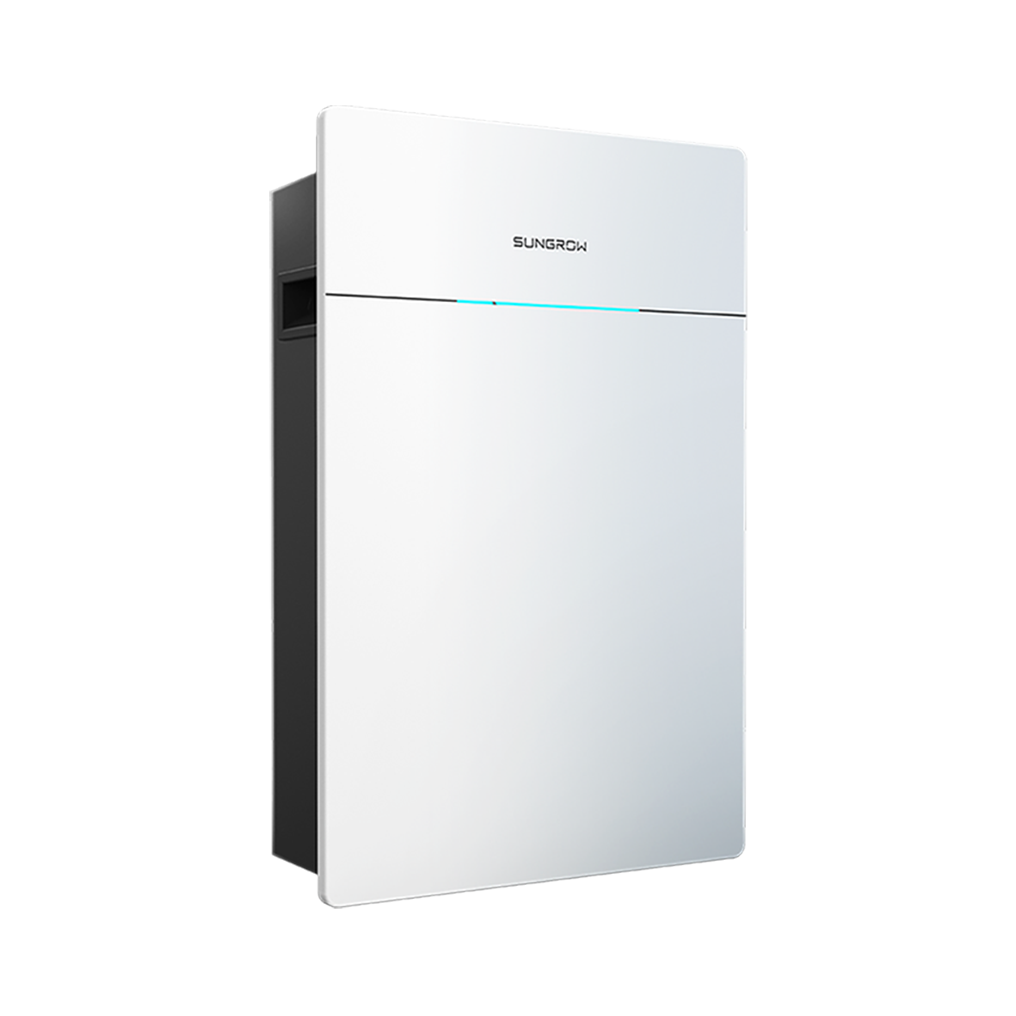
Actionable buying checklist (three metrics to prioritise)
I give wholesale buyers three simple, measurable evaluation metrics I use daily: 1) Usable energy per installed kWh (DoD-adjusted) — ask for usable kWh at 80% DoD; 2) Verified round-trip efficiency at rated discharge — insist on test curves, not just a single percentage; 3) Inverter continuous output and surge rating — match to peak household loads plus contingency. I will add one operational tip: require one year of local consumable spares with the first shipment (fuses, communication cables, basic BMS modules). That small ask prevents weeks of downtime later — trust me, I’ve managed those delays.
Summing up: traditional low-cost options often mask higher lifecycle costs and frequent downtime; choose systems with transparent specs, integrated BMS, and firm local support. I’ve seen the difference — installations in 2020–2022 across three provinces reduced genset burn and improved customer satisfaction measurably. One final interruption — do not buy on price alone. For practical procurement advice or a sample specification template, reach out; I’ll happily share what works in the field. — and for reference, I often direct clients to products tested with reliable backups by sungrow.