A restless beginning: over-the-air control reshapes connections
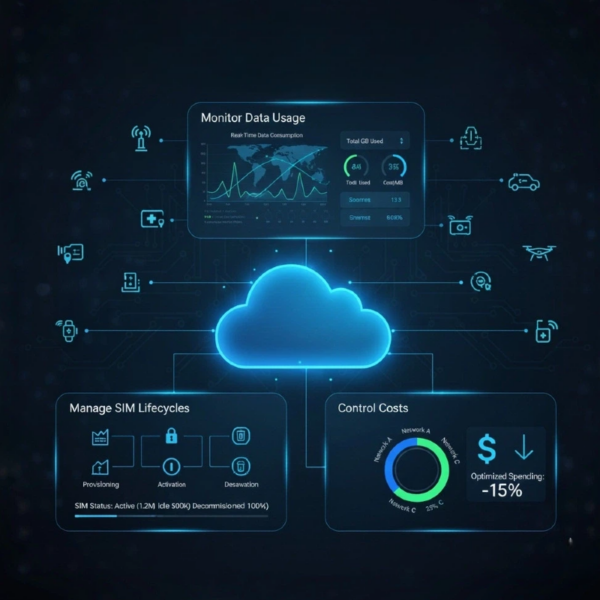
The story begins with a quiet revolution: eUICC moved the SIM from a physical chore to an orchestrated service, enabling remote provisioning and dynamic profiles. That shift—slow at first—created the conditions for real-time device management in retail, transit and energy. At trade floors like Mobile World Congress in Barcelona, carriers first showed working demos that made the promise tangible. Early deployments married eUICC with M2M devices and terminals such as the qr payment soundbox, exposing how secure profile updates and OTA activation can run alongside customer-facing payments.
Technical turning points that mattered
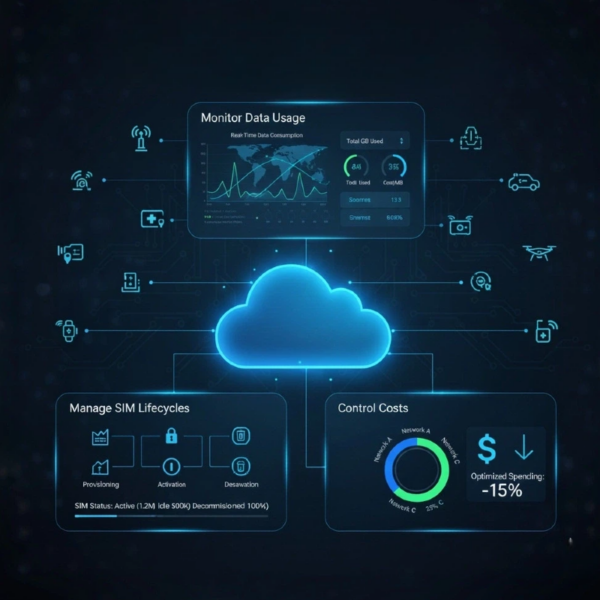
Two innovations changed how smart environments function: embedded SIMs (eSIM/iSIM) and robust OTA frameworks. eUICC introduced a secure element and standardized management channels; iSIM pushed that same trust into a system-on-chip. Together they cut device size and power draw while maintaining strong authentication for transactions. Implementers learned to treat provisioning orchestration as a product: policy, certificate lifecycle, and rollback procedures became operational musts. These are not abstract terms—eUICC, iSIM and OTA show up in firmware lists and provisioning logs, and they decide whether a terminal stays online or drops off during a peak hour.
Real-world deployments: when theory met the shop floor
Retail pilots proved the point. Contactless checkouts combined low-cost terminals with cloud-managed SIM profiles so merchants could swap carriers or enable roaming without swapping hardware. The emergence of compact payment terminals and audio-enabled QR readers helped small shops accept digital wallets and QR code transactions at volume. In one city rollout after 2019, local merchants reported faster onboarding and fewer card terminal failures—an operational win driven by remote profile updates rather than truck rolls.
Design choices for soundbox payment systems
When you design a payment endpoint that includes audio prompts and QR scanning, two engineering choices dominate: secure element integration and network resilience. Embed the security stack via eUICC or iSIM to protect keys. Build an OTA plan that stages updates and validates rollbacks. Balance latency and power consumption to keep QR reads and sound playback snappy. And think through PCI-relevant guidance in your architecture—protect cardholder data at the device level and during transmission.
Common mistakes and how teams recover
Teams often rush provisioning policies or assume default profiles will scale. That leads to fragmentation—different behavior across terminals from the same vendor. Fixes are practical: standardize profile templates, automate certificate rotation, and test rollback windows. Another trap is underestimating field agents’ needs; a terse firmware note is useless if the support staff can’t view logs remotely. Invest in telemetry and a clear incident workflow—small investments reduce hours of chaos when a rollout hiccups. —Sometimes that means adding a simple heartbeat check before a new profile is committed.
Operational teardown: tying terminology to practice
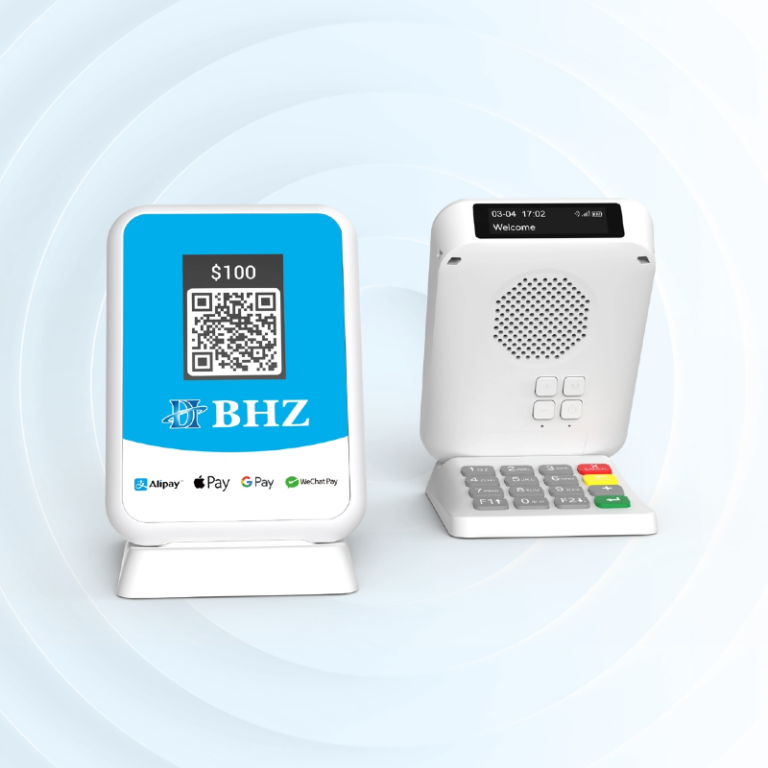
On the operations bench you must translate terms into tasks. {main_keyword} maps to profile lifecycle management. {variation_keyword} becomes your OTA scheduling policy. Metrics matter: track activation latency, profile switch success rate, and payment transaction integrity. Use these indicators to decide whether to expand capacity or freeze updates. Vendors that combine device hardware, cellular orchestration, and payment UX offer a shorter path to dependable rollouts—soundbox payment modules are a clear example of this integration in action.
Three golden rules for choosing the right strategy
1) Prioritize security anchored to hardware trust: require eUICC or iSIM-level protection for any device handling payment flows. 2) Measure operational resiliency: acceptance rate, OTA success percentage, and mean time to recover are your decision levers. 3) Keep provisioning flexible: allow carrier swaps and staged rollouts so failure affects as few terminals as possible.
These rules point directly to practical partners who manage both connectivity and payment endpoints—partners that reduce friction at rollout and day two operations. —And when the market tightens, those partnerships matter most.
BHZ.