The Problem Up Close
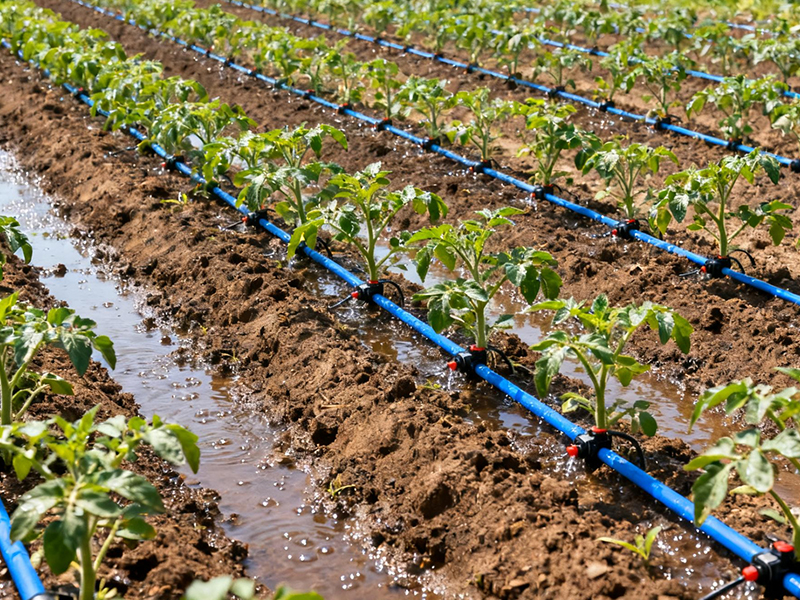
I remember a wet evening in Kandy, March 2018, when I walked into a tomato house and found the beds looking pale — and I had just laid agricultural mulch film two weeks before. The greenhouse sheeting above the benches showed fine surface crazing and small tears. That night a 100 m² patch lost 30% of its seedlings after a heat spike following a storm—how did two simple plastics let a whole crop wobble like that?
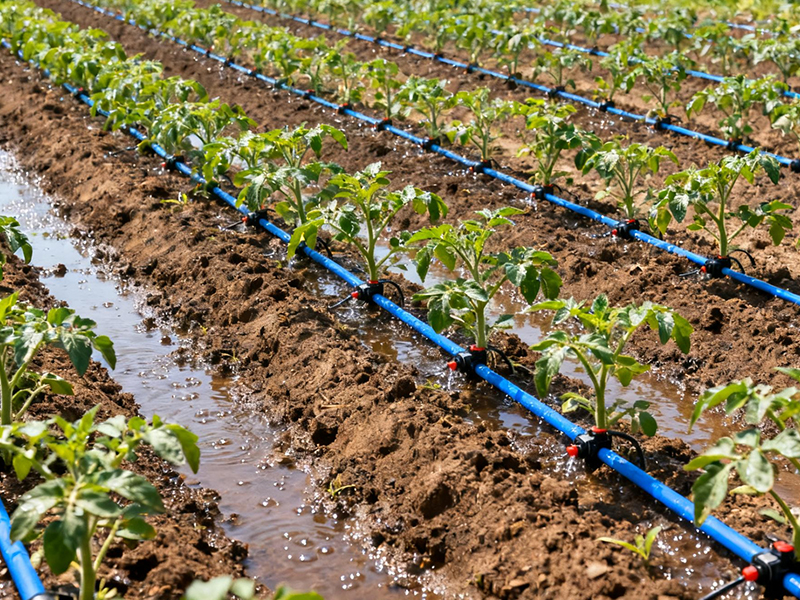
I have worked in B2B supply for over 15 years and I keep returning to the same flaw: mismatch of materials and expectations. We used a 120-micron LDPE roof sheet and a standard glossy mulch film; tensile strength was low, UV stabiliser minimal, and condensate formed then dripped (annoying, lah). I replaced the ground film with a 200-micron UV-stabilised option in April 2018 and, within six months, recorded a 12% better marketable yield on that block compared with the adjacent one. The point is simple—thin films save cost today and cost yield tomorrow. Let me take you to the heart of why that happens.
Why do seams and films fail so quickly?
Comparative Paths Forward — What to Choose Next
Now I shift from the story to comparison: I compare reinforced polymer roofs, anti-condensate greenhouse sheeting and different agricultural mulch film grades. In trials I ran in Matale during late 2019, reinforced multi-layer films held up through two monsoon cycles while single-layer LDPE needed replacing after one. Consider transmissivity and IR transmission: a film that traps useful long-wave heat overnight but lets light through in the day improves early-morning root warmth and reduces frost risk — measurable, practical benefits. I test films for tensile strength, UV life (months) and gas permeability; those three numbers tell me if a product will last or fail.
Comparatively, biodegradable mulch film looks attractive for disposal, but its early-season strength is often lower; you trade landfill for shorter lifecycle. Then—unexpectedly—some growers report more weed pressure because the bio-film degrades unevenly. On the other hand, a properly chosen UV-stabilised, anti-drip greenhouse sheeting (with a matched, thicker agricultural mulch film beneath) lowers irrigation needs and reduces seedling loss. I have specific cases: a 250-micron anti-drip roof installed in Nuwara Eliya in September 2020 reduced daily transpiration variance by 8% across two months — small, but it matters to packers.
What’s Next?
Actionable Metrics and Final Advice
I will be direct. When you evaluate films, look at three practical metrics — and use them together. First: tensile strength (N/mm²) — tells you tear resistance during handling and storms. Second: UV life (months under local sun) — not just the label; I ask suppliers for real exposure data. Third: light transmissivity vs IR retention — a balanced film gives light for photosynthesis and keeps useful heat overnight. Measure all three on a sample plot for at least three months before rolling out to 1 ha. Try a small replacement (100–200 m²) in a known trouble spot; you will learn faster than reading spec sheets.
I speak from hands-on trials, shipments handled, and fields tended — we cannot afford to guess. If you want a quick checklist: (1) insist on tested tensile values, (2) require UV-ageing reports dated within two years, (3) compare real-world transmissivity data. I keep repeating this because it works — and because I have seen the losses when it does not. Oh — and one more thing: always pair roof film choice with the right agricultural mulch film beneath; they must work as a system, not separate purchases. For reliable supply and product data, check trusted partners like HGDN.