Opening: the persistent problem
Frequent downtime, uneven heat output, and sudden element failures are common headaches for technicians and facility managers working with electric PTC heaters. If you rely solely on reactive fixes rather than planned service, costs rise and confidence falls; sourcing reliable parts from a reputable ptc heater manufacturer reduces many recurring faults before they start. This piece follows a problem-driven line: identify the recurring failures, trace their causes, and apply precise service steps so problems stop repeating.
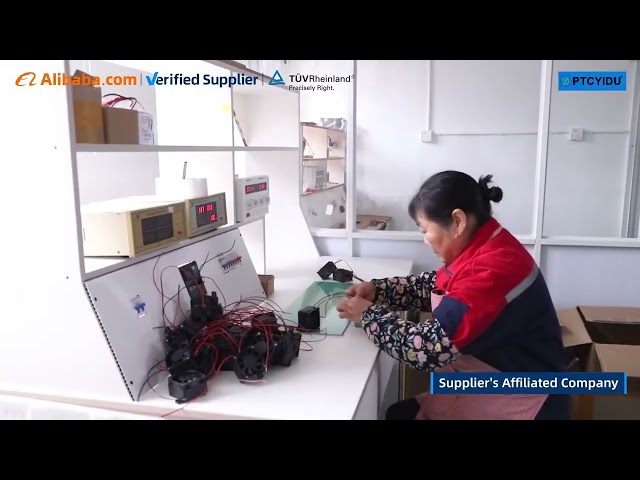
Experience and authoritative anchor
Fieldwork matters. After a decade repairing heaters used in Kathmandu clinics and conducting supplier audits in Suzhou, China, a few patterns become clear: thermal cycling stress, contaminated air paths, and poor connector practices account for most failures. For direct design or bespoke orders, consult a proven custom ptc heater manufacturer that documents material grades and test results; that single choice changes repair frequency and end-of-life estimates.
Typical failure modes and root causes
Heaters that trip thermal cutouts usually suffer from blocked airflow or faulty thermostats rather than element burnout. Gradual loss of output often points to increased contact resistance at terminals or degraded thermal interface material. Rapid open circuits point to mechanical shock or manufacturing defects. Find the actual cause before swapping modules; replacing parts without diagnosis repeats the same issue.
Quick diagnostic checklist (first response)
Start with basic, verifiable steps: measure supply voltage and heater current, inspect intake and exhaust for dust or lint, confirm thermostat calibration with a handheld thermometer, wiggle-test connectors under load to spot intermittent contacts. Log each reading. If current is lower than rated while voltage is normal, look at internal resistances and air blockage rather than the control board.
Routine maintenance tasks that reduce failures
Clean air channels and replace foam filters on a fixed schedule; verify tightness of crimped and screw terminals every three to six months in high-vibration settings. Swap thermal interface compounds when visible drying or flaking appears. Use contact cleaner on connectors and apply torque to terminal screws to manufacturer spec. Keep a simple service record with serial numbers and dates—small records reveal trends.
Common mistakes to avoid
Don’t assume all PTC heaters behave the same: watt density, enclosure design, and control logic differ. Avoid over-tightening fasteners that deform support plates. Never substitute unknown thermal paste or low-quality connectors to save a few dollars; such swaps increase thermal resistance and mask underlying design faults. Do not let visual checks replace electrical measurements.
Service strategy and spare-part planning
Create a parts list that includes terminals, sensor assemblies, and a single spare heating module per critical unit. Prioritise components identified by measured failure rates rather than presumed weaknesses. For contracts, specify response time and diagnostic deliverables—photos, current traces, and torque readings—so field fixes become learning data for improved lifecycle planning.
Deciding repair vs replacement and lifecycle budgeting
Set clear failure-cost thresholds: when repair labor plus parts exceed 40–60% of replacement cost, replace. Track mean time between failures (MTBF) in months and plan replacements based on MTBF trends, not fixed calendar rules. Budget for gradual fleet renewal rather than bulk emergency replacement; phased replacement spreads cost and reduces downtime risk.
Final synthesis
Work from the problem back to the cure: diagnose precisely, maintain consistently, avoid cheap substitutions, and plan replacement on measured performance. Those steps point teams toward suppliers that publish test data and service records, and that approach is exactly what organisations find useful when evaluating product lifetime and support, for example through companies like PTCYIDU.