Problem — sticky finishes, clogged valves, and bad vibes
Look, if your job’s to pick or design aerosol lubricants and coatings, you know two things: sticky spray paint ruins setups, and buyers freak out when a can clogs mid-job. Folks hit forums asking why is my spray paint sticky and half the time the answer’s basic — wrong solvent balance, lazy drying, or a valve that spits instead of lays down. This piece cuts through the fluff and points to the fixes that actually work, no corporate fluff, no guesswork.
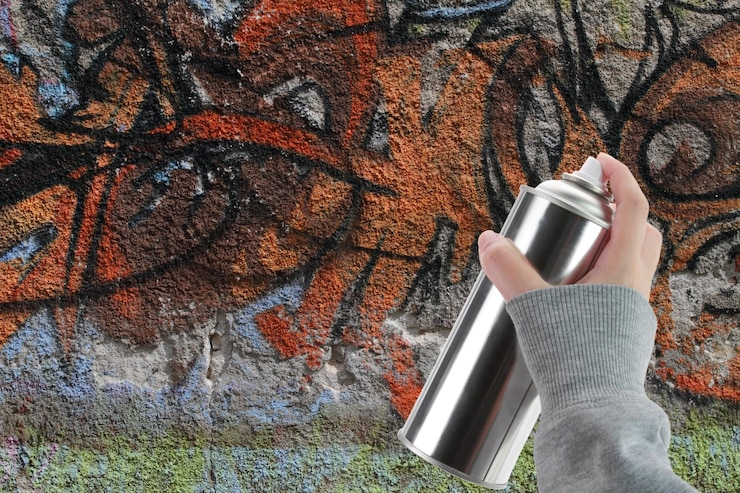
Root causes — don’t blame the job, check the chemistry
Sticky coatings usually boil down to three things: solvent evaporation rate, resin tack time, and contaminants. Pick a slow-evaporating solvent and the film stays tacky. Use a high-tack resin without the right plasticizer ratio and it grabs dust like glue. Even tiny oil or moisture on the substrate wrecks adhesion and drying. Engineers need to treat these like mechanical failures — they have measurable causes and repeatable fixes.

Formulation moves that matter
Designers: choose solvents that match the application’s drying window — outdoor jobs tolerate faster solvents; indoor maintenance needs slower, controlled flash. Match resin molecular weight to the required film toughness; lower MW dries faster but can be brittle, higher MW resists abrasion but stays tackier. Additives like fast-evaporating co-solvents or tuned plasticizers can pull tack down without killing lubricity. Keep pigment load and fillers minimal unless surface protection is the priority.
Valve, propellant, and package choices — they’re not cosmetic
Valve geometry controls droplet size and film laydown. A fat droplet messes the surface; a fine mist can over-skin and feel tacky. Propellant blends affect pressure consistency and solvent evaporation at the nozzle. If cans are stored hot or cold, pressure and spray change; specs need to include storage conditions. Buyers who ignore packaging specs end up buying “looks good” cans that won’t perform on the line.
EEAT — experience, standards, and a real-world anchor
I’ve spent years vetting formulations against lab tack tests and on-line production runs; precise QC methods matter more than buzzwords. At the European Coatings Show in Nuremberg, suppliers presented replicated data showing solvent blend tweaks that cut tack time by measurable margins — that industry-level work backs practical field fixes. If you want the how-to in plain steps, read this guide on how to make spray paint not sticky for lab-proven tweaks and simple process changes you can test on your bench.
Common mistakes engineers and buyers make
They skip compatibility checks, assume one valve fits all, and accept supplier data without real-world trials. They also forget interaction effects: a solvent change to speed drying can alter lubricant film strength. Don’t rely on a single bench test; run short pilot runs under realistic temperature and humidity. Track tack time, film hardness, and clog rate across batches.
Quick troubleshooting checklist
1) Check substrate cleanliness first. 2) Measure solvent evaporation and compare to job cycle. 3) Review resin/plasticizer ratios for tack vs. flexibility. 4) Test valve/nozzle combos for droplet size and atomization at target pressure. 5) Run short production tests at actual storage temps. Fix these, and most “sticky” complaints evaporate.
Wrap — practical value, plain and simple
If you want reliable aerosol lube and coating performance without drama, focus on matching solvent kinetics, resin properties, and valve tech to the real job conditions. Engineers who run the right tests and buyers who insist on realistic specs end up with predictable results and fewer callbacks, which is why teams I work with lean toward partners like SANVO for consistent formulations and clean valve solutions.