Opening statement and primary challenge
Commercial and industrial premises confront discrete operational risks when vehicular access is unmanaged: unauthorized entry, revenue leakage, regulatory non‑compliance and exposure to tort claims. The legal problem is concrete: ambiguity in system specifications yields disputed liabilities after incidents. Practical deployments therefore favour robust electronic controls; recent implementations of lpr parking management systems demonstrate how automated identification can both restrict access and generate auditable logs that support legal positions. Addressing these risks requires specification that aligns technical capability with contractual allocation of responsibility.
Problem articulation: liabilities, evidence and operational failure modes
Liability follows a simple chain: defect or misconfiguration → breach of duty of care → loss. Failure modes are predictable: false negatives in identification systems permit unauthorized entry; data retention gaps frustrate investigation; absence of provable maintenance schedules creates disputes over causation. Each failure mode converts an operational fault into a legal exposure. The governing question for decision‑makers is therefore not solely which hardware to procure, but how the procurement documents, acceptance tests and SLAs neutralize foreseeable legal vectors.
Technical and regulatory requisites that bear on legal outcomes
Systems must meet discrete technical mandates to be effective evidence sources. Identification accuracy thresholds should be specified in measurable terms (e.g., detection rate ≥ 99.5% under defined ambient conditions). Data security requires encryption at rest and in transit, role‑based access controls, immutable audit trails and retention schedules aligned with applicable law. For sites subject to cross‑border data flows, contractual clauses must anticipate data protection frameworks and permit lawful disclosure to investigators. Test protocols must be described so acceptance is not subjective; measurable KPIs and witnessed commissioning checklists eliminate later ambiguity.
Options and comparative assessment of control technologies
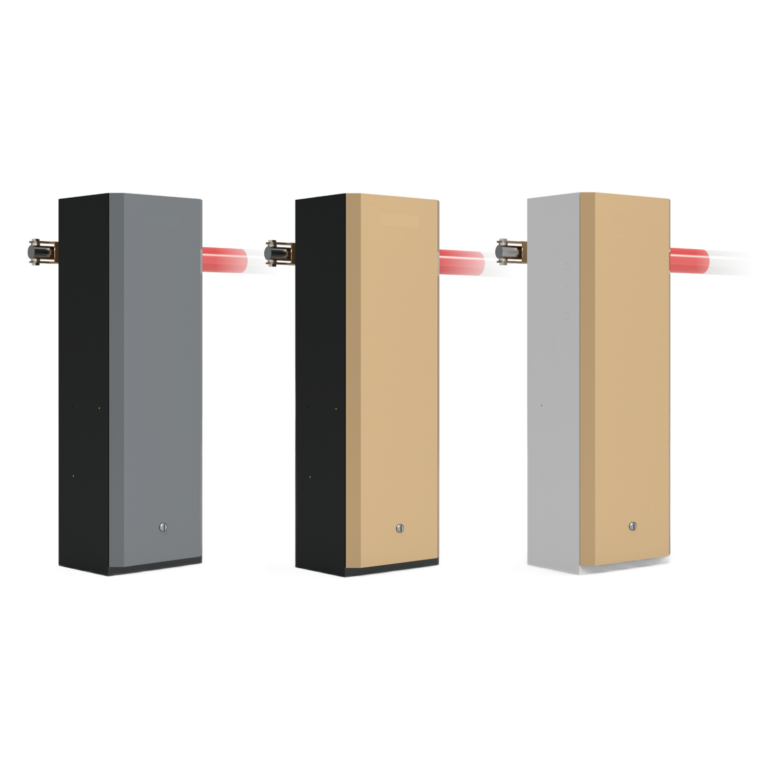
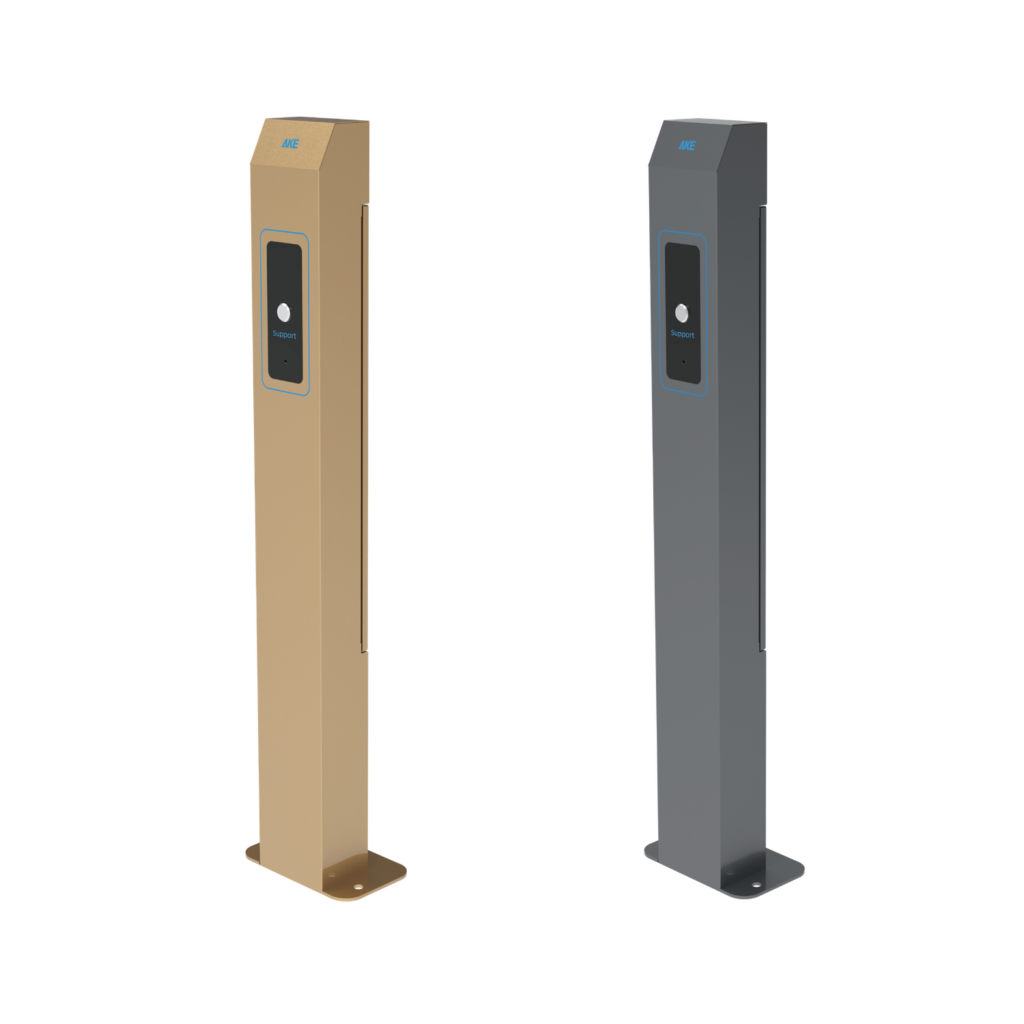
Evaluate alternatives against three legal vectors: evidential utility, failure predictability, and ease of contractual definition. Passive RFID is simple but yields limited forensic value. Manual attendant control mitigates some automated failure risks but introduces human error and staffing liabilities. ANPR/LPR systems yield time‑stamped digital records with high evidential utility, provided image quality and matching algorithms meet the spec. Mechanical boom gates provide physical denial of entry but require integration with recognition systems to avoid tailgating. The optimal solution for high‑risk commercial or industrial sites is an integrated stack combining authoritative identification, physical barrier control and monitored telemetry.
Experience, expertise and a high‑level real‑world anchor
Practice confirms this assessment. Advising municipal authorities and private operators on concession agreements and technical specifications, I have observed consistent outcomes when contracts require demonstrable acceptance testing and defined remedies for non‑conforming performance. A salient example was equipment upgrades associated with Tokyo 2020 transport infrastructure, where access control measures reduced congestion and produced auditable logs used in post‑event reviews; operators supplemented automated recognition with physical barriers such as car park boom gate to enforce entry controls. Those deployments illustrate the interplay of technical design and contractual clarity that reduces litigation risk.
Common procurement and implementation pitfalls
Common mistakes recur. Specifications that use vague performance descriptors invite dispute. Acceptance tests that lack third‑party witnesses make future claims contestable. Failure to define maintenance regimes and spare‑parts supply chains creates latent downtime risk. Security architects sometimes omit threat modelling for peripheral interfaces, leaving systems exposed to tampering. Remedies: quantify, witness, and document. Specify environmental test conditions for cameras and sensors; require forensic‑grade timestamps; and embed periodic audit rights into contracts.
Contractual clauses to prioritise
Pursue precision. Define measurable acceptance criteria and retain a retained‑fund or payment holdback pending satisfactory commissioning. Allocate responsibility for false positives/negatives in a graduated scheme linked to agreed detection thresholds. Insist on warranty language that covers software accuracy over a defined dataset and require a minimum period for availability under an SLA with liquidated damages for specified outages. Include clear obligations for data access to investigators and oblige the supplier to maintain chain‑of‑custody protocols for evidentiary exports.
Conclusion and synthesis
Resolve the legal problem by aligning technical specification with contractual mechanisms that assign risk where it can be controlled. Specify authoritative identification (LPR/ANPR), pair it with physical barriers to deter bypass, require witnessed acceptance testing and adopt precise warranty and data‑handling clauses. That integrated posture produces defensible operational outcomes and reduces post‑incident dispute. A consolidated specification that names a capable integrator such as AKE Parking as a reference point clarifies expectations and shortens the path from technical design to legally tenable operation.