Introduction — a small scene, a surprising stat, and a question
I remember walking into a spa where someone swore a red light session changed their skin overnight. A week later, another friend said the same thing but for pain relief — and yet their devices looked nothing alike. The red light bed had entered casual talk, with clinics and home users both trying to make sense of it. Recent surveys say many users report mixed results; some get clear gains, others see little or no change (around half the people I ask fall into that middle group). So why do two similar treatments produce such different outcomes? What actually matters when you lie down under those LED arrays — the device, the dose, the setup, or something else entirely? Let’s peel this back and see where the real levers are — then move into how we can do better.
Why current approaches miss the mark
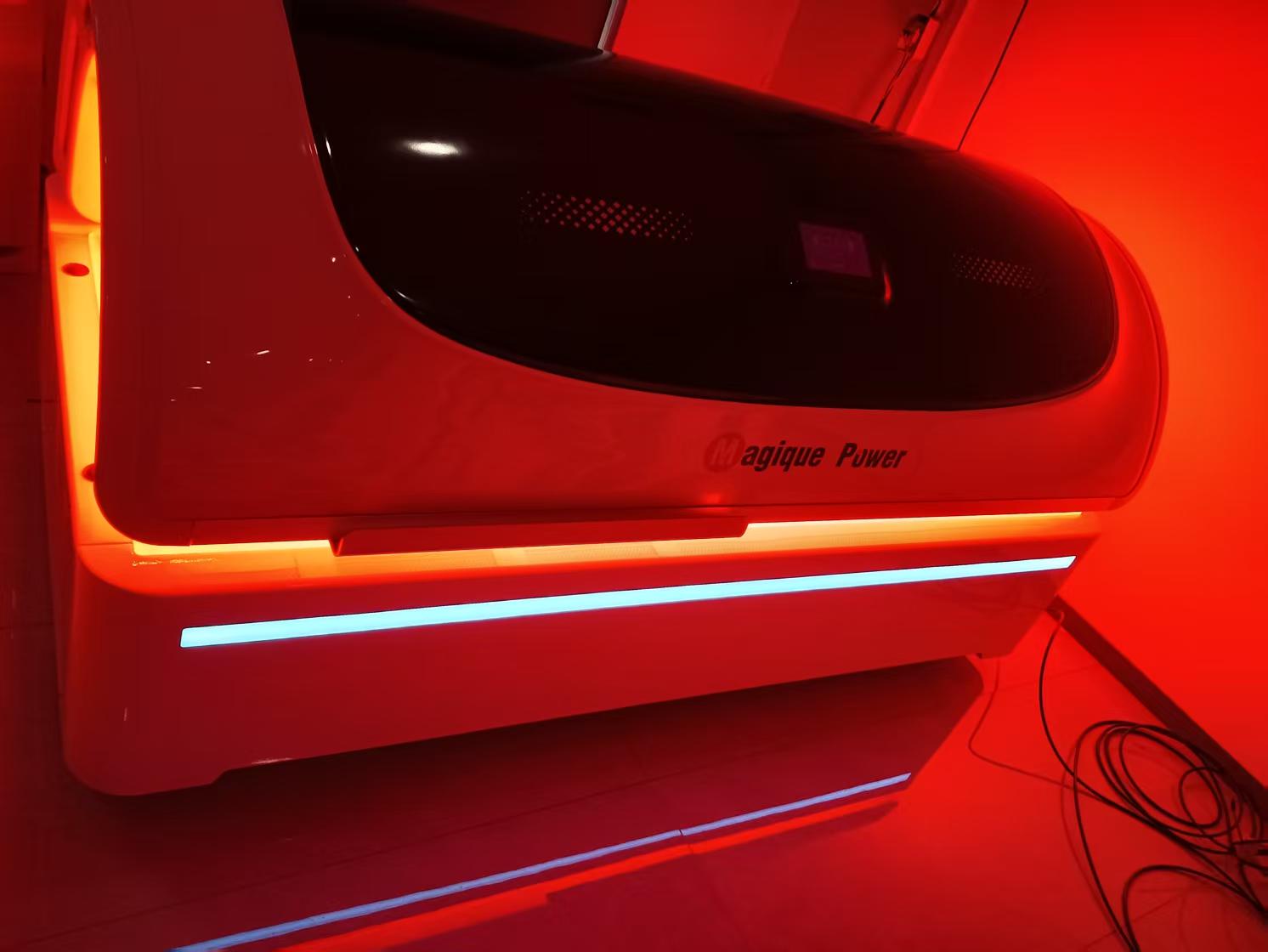
collagen bed advertising often promises one-size-fits-all gains. I find that claim too neat. In practice, many setups ignore core engineering limits like wavelength calibration and irradiance mapping. Providers talk about session time and frequency, but they skip showing how the LEDs are arranged, how evenly power converters distribute current, or how wavelength varies across the panel. Those are not small details; they change how cells respond. Look, it’s simpler than you think — if light doesn’t reach tissue at the right power and color, biology can’t do its work. I’ve seen panels that sweep a wide range of wavelengths but never control output. The result is inconsistent therapy and confused users.
What exactly fails?
First, manufacturers under-sample irradiance across the bed. A meter in one spot gives a number, but the rest of the surface may be weaker or stronger. Second, faulty wavelength calibration means some LEDs drift off their target. Third, inadequate thermal management alters output over a session. These flaws together create a lottery: sometimes you win and sometimes you don’t. If you care about predictable results, you need measurement and repeatable settings. — funny how that works, right?
Looking ahead: principles for better therapy
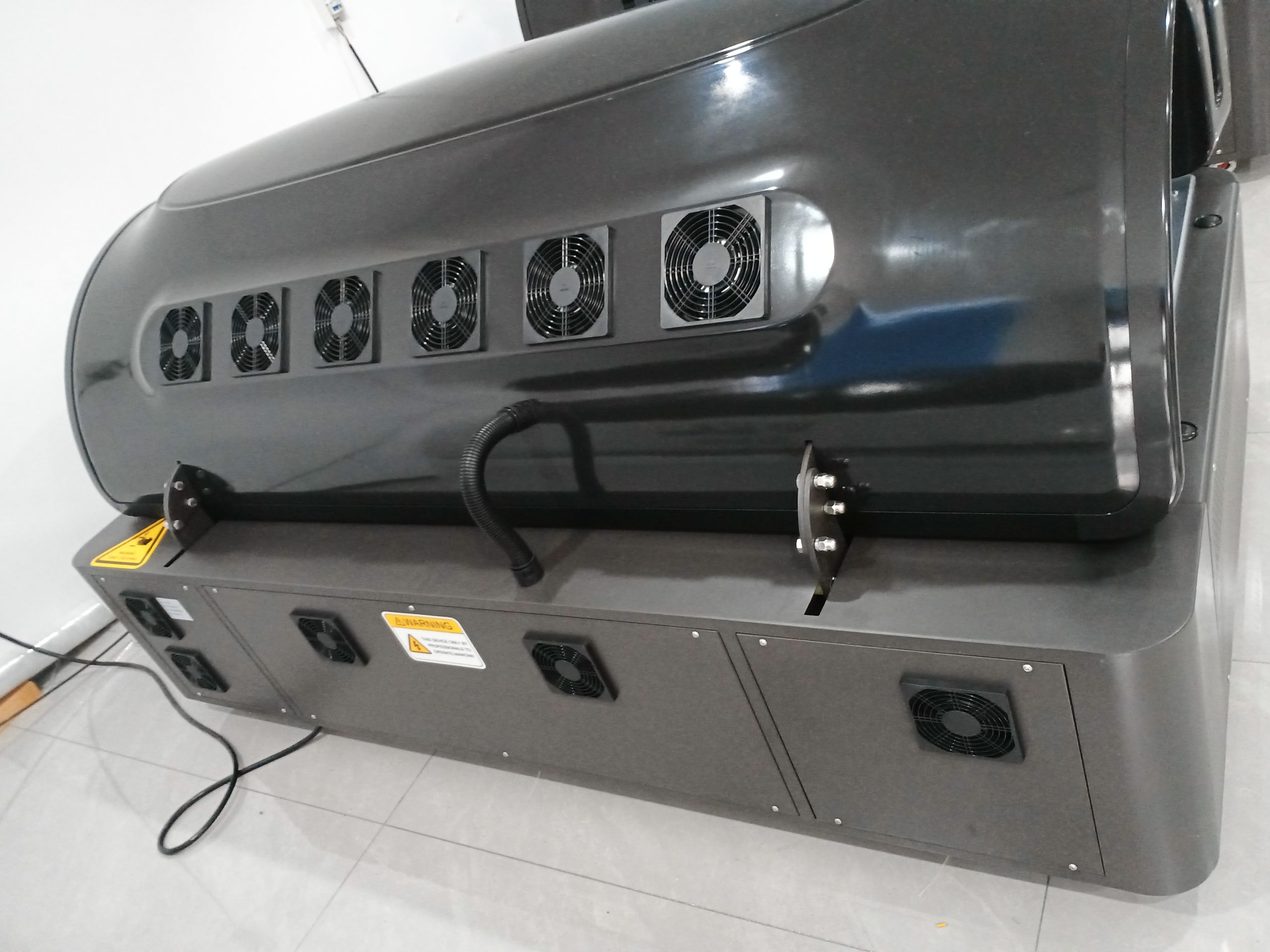
We should move beyond marketing claims and toward engineering-led practice. New technology principles start with precise spectral control and uniform irradiance. That means better LED arrays with tight wavelength bins, active feedback for power converters, and simple user interfaces that show actual output, not just a timer. When I test systems I look for those elements. And I want clear protocols tied to measurable endpoints — skin collagen stimulation, pain score drops, or sleep improvements. The goal is to link device settings to outcomes so clinicians and consumers can choose with confidence. — this shift is practical and necessary.
What’s next for users and makers?
Practically, a future system will auto-calibrate. It will map irradiance across the bed, apply wavelength correction, and adapt session time based on measured output. For people using a collagen bed, that could mean fewer sessions for the same result — or steadier progress without guesswork. I expect more manufacturers to add simple meters or built-in sensors. Companies will publish calibration reports. Users will demand transparency. The result? Better outcomes and fewer wasted sessions.
Closing — three metrics to check before you buy
We owe it to users to pick tools that report facts. Here are three clear metrics I always use when evaluating a red light bed or a collagen bed: 1) spectral accuracy (how close the LEDs stay to their claimed wavelengths), 2) irradiance uniformity (variance across the treatment surface), and 3) stability over time (does output hold during a full session). These are measurable. They matter. Pick devices that show the data. I prefer systems that include a simple calibration report or on-board sensor readout. If a brand can’t or won’t share these numbers, I get skeptical. We want tools that make therapy reliable, not gambling. For honest engineering and clear data, check solutions from Magique Power.