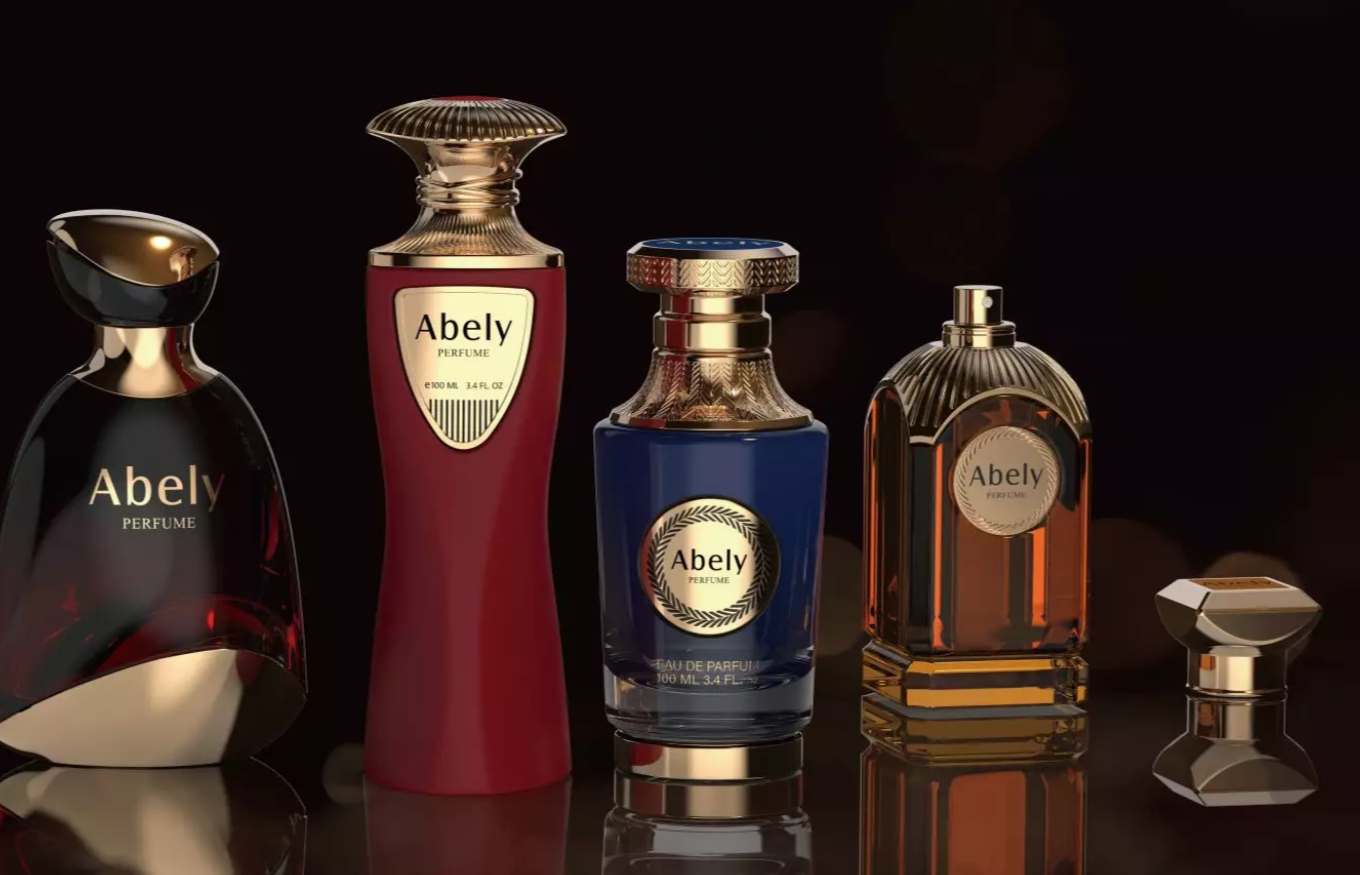
Introduction — a Comparative Start
In the crowded mehfil of fragrance launches, a bottle’s finish can decide first impressions; this is especially true when brands opt for a professional holographic coating to lift perceived value. For a brand considering a custom perfume bottle, the question is not merely aesthetic but strategic: which surface treatment best communicates your story to discerning customers in Paris salons or boutique stores in Karachi?
What You Gain with Holographic vs. Alternatives
Comparatively, holographic coatings deliver an optical depth and dynamic colour shift that simple varnish or metallization cannot match. Consider these practical differences:
– Holographic coating: vivid iridescence, strong shelf impact under varied lighting, perceived premium pricing.
– Metalized finishes: reflective, classic luxe, but flatter in motion and less interactive for consumers.
– Lacquers and soft-touch coatings: tactile sophistication, muted visuals; excellent for understated luxury but less viral on social feeds.
When you stack them side-by-side, holography tends to win for visibility and social-first campaigns, while metalized and lacquered approaches suit heritage or minimalist brands.
How Professional Holographic Coating Works — Practical Notes
At a technical level, holographic coatings use micro-embossed diffraction patterns or multi-layered interference films applied by a professional process. The manufacturing step requires precise control of pressure, temperature, and substrate compatibility so that the effect remains consistent across a production run. If you’re evaluating partners, ask about sample batch variance and the ability to reproduce the same effect at scale — these are essential for retail rollouts and limited editions.
Also remember — not all substrates behave the same. Glass, acrylic and coated PET each refract and reflect the holographic spectrum differently, which means mock-ups are indispensable before a full run.
Common Mistakes and Manufacturer Considerations
Brands often make three recurring errors when pursuing holographic finishes: underestimating cost-to-quality ratio, skipping small-batch proofs, and overlooking shelf-light testing. Working with an experienced custom perfume bottle manufacturer mitigates these risks by providing realistic proofs, advising on substrate choices, and ensuring compatibility with filling and labeling processes.
Manufacturers with a history of exports to European markets or collaborations with established perfumers will better anticipate regulatory and logistic requirements — which matters if you intend to sell in multiple jurisdictions.
Real-World Anchor: Market Perception and Retail Impact
Luxury retail in Paris and major fashion capitals has shown that packaging innovation correlates with initial purchase intent; in simple terms, shoppers often judge a fragrance by its bottle before smelling it. For brands aiming to capture that crucial moment, holographic finishes can function as a promotional amplifier on shelf and online — an observation corroborated by buyers at fragrance shows and by visual merchandising teams across Europe.
Summary — What This Means for Your Brand
Choosing a holographic coating is not merely decorative; it’s a channel decision. It affects production timelines, supplier selection, unit economics, and the way consumers emotionally engage with your product. Holography is best for brands seeking bold visibility and social resonance; metalized or soft-touch finishes suit narratives of craft and restraint. The right route depends on positioning, distribution, and the ability to control quality at scale.
Three Golden Rules for Selecting Coatings
1) Reproducibility: Insist on production-matched samples and tolerance data — consistency across batches is non‑negotiable.
2) Fit-for-channel: Match the finish to your primary sales channel; holography for high-impact retail and digital; matte or lacquer for exclusive boutiques.
3) Total cost view: Account for proofing, additional handling, and potential changes to filling lines — price per unit is not the whole story.
Work with partners who combine technical rigour and creative vision — and consider reliability as much as spectacle. Abely brings that practical expertise to packaging, helping translate holographic ambition into retail reality. —