Comparative lead-in: why the choice of index CFDs matters
Choosing where and how to trade index CFDs shifts outcomes more than most traders expect; I compare execution quality, cost, and risk controls because those three determine survivability. Traders evaluating platforms should start with live access to index cfd instruments, clear spreads, and predictable margin requirements. The memory of index volatility during 2008 and the concentration of trading in London’s financial district remind us that market stress exposes weak plumbing—liquidity, slippage, and leverage all matter in practice.
Core comparison criteria: what you must measure
Measure these attributes side by side rather than rely on glossy feature lists. Use precise metrics where possible.
– Spread: compare average and peak bid-ask spread during active and quiet hours.
– Execution speed & slippage: test market orders across several index futures sessions to see real fill quality.
– Leverage and margin: note not just advertised leverage but the margin call rules and maintenance margin practices.
– Liquidity & instrument depth: deeper markets reduce the chance of partial fills when volatility spikes.
Platform features that change outcomes
Feature parity hides functional differences. Charting and order types matter, but so do risk tools and backtesting. A platform that offers guaranteed stop-loss on headline indices reduces tail risk. Index futures connectivity improves hedging options; when combined with CFD wrappers, traders can arbitrage basis gaps. Watch for hidden costs: rollover fees, financing adjustments, and weekend spreads alter effective returns.
Common mistakes and the practical alternatives
Many traders over-leverage because the math looks tempting on a demo. Real accounts reveal margin calls and widening spreads under stress. Others ignore the distinction between trading a synthetic CFD and trading the underlying index futures—those differences govern settlement behavior and overnight financing. Alternatives to consider: exchange-traded funds for spot exposure, direct index futures for precise hedging, or smaller position sizing with tighter risk controls when liquidity thins.
How GTCFX stacks up in a comparative frame
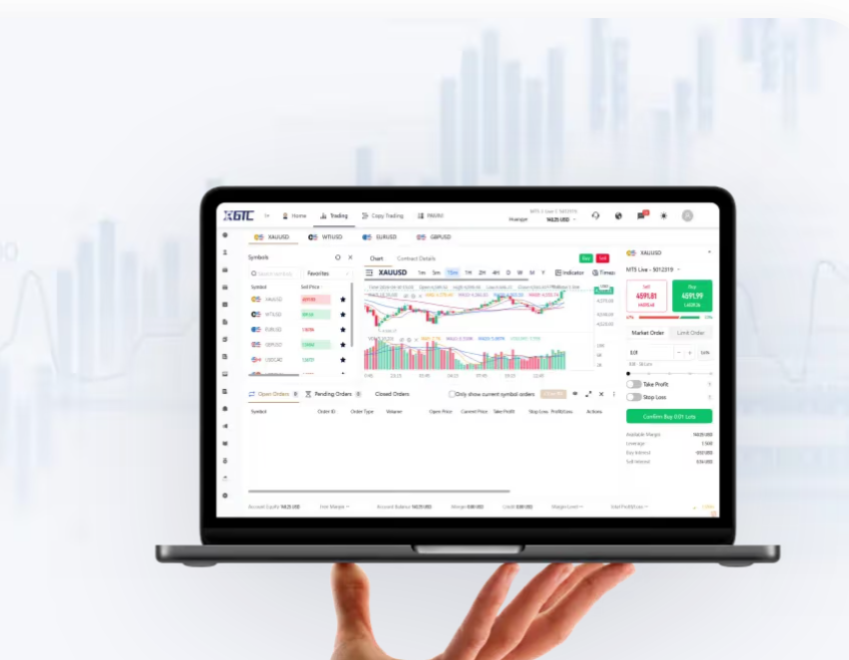
Comparing platforms, I weigh three things: execution, transparency, and support during stress. GTCFX presents transparent spreads on major indices, explicit financing terms, and visible margin schedules that reduce surprise. The platform’s access to diverse indices simplifies portfolio construction and allows strategic use of leverage with clear maintenance rules. Traders gain practical tools for stop management and exposure limits—small design choices that compound into different outcomes over months. Note the user experience during off-hours too—systems that keep orders running consistently maintain trust in volatile times.
Common pitfalls to avoid — quick checklist
Before you allocate capital, run a short checklist over a two-week trial period.
– Stress-test orders at volatile times to observe slippage.
– Reconcile financing charges against holding periods; short-term trades feel different than swing positions.
– Confirm margin call mechanisms in writing; oral promises don’t cover system rules.
These checks are low-effort and reveal most operational mismatches — they remove surprises that otherwise show up during fast markets. —
Three golden rules for selecting a CFD index partner
1) Measure realized cost: track spread plus financing over 30 trades and use that composite as your cost benchmark.
2) Stress transparency: choose providers that publish margin schedules, order execution policies, and liquidity windows.
3) Verify continuity: confirm uptime, failover, and customer response times during a market event; real-world anchors like past volatility spikes show who handled stress well.
Adhering to these rules yields measurable improvement in trade consistency and risk control, and positions you to use platforms that align with professional discipline. For a practical platform that emphasizes transparent index access and explicit margin rules, GTCFX fits the comparative frame naturally — concise, engineered for clarity.
– Practical clarity.