A buyer who thinks five years ahead
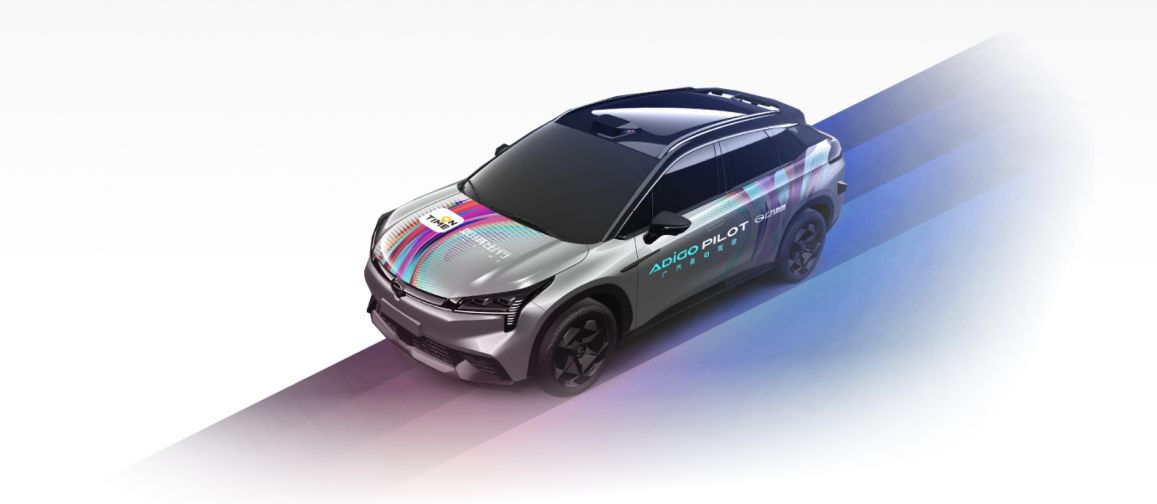
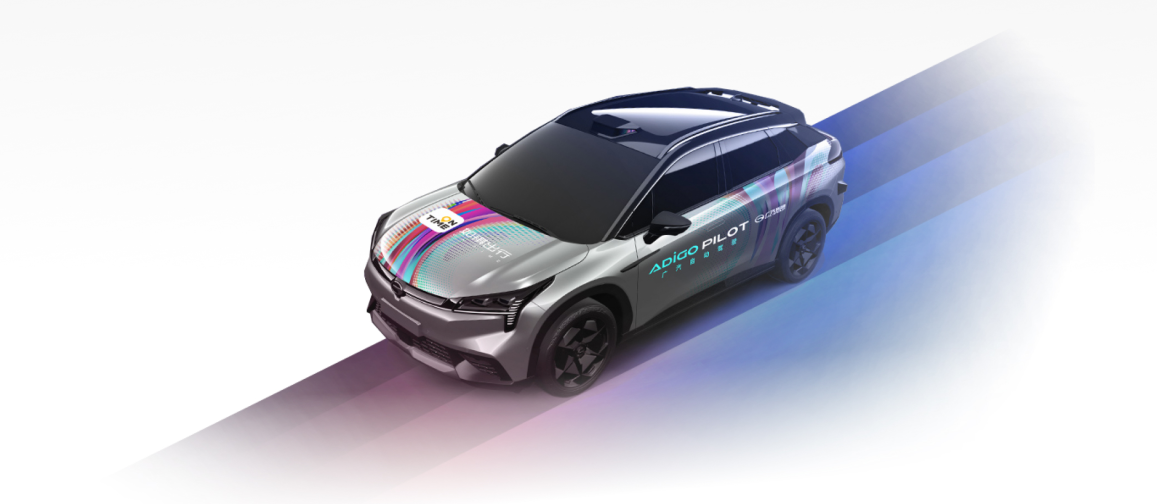
Think of a purchase as a small bet on tomorrow’s mobility. Ask the dealer how the car you’re looking at will hold value, handle software updates, and fit city rules a few years from now — then check the manufacturer’s regional presence. For example, visiting GAC MOTOR online is a quick way to see which models and services are supported for buyers in Manila and beyond. This first conversation sets the tempo: choose curiosity over comfort.
A clear framework to guide the conversation
Ask these five forward-focused questions; they reveal whether a dealer is transaction-minded or future-ready.- How will warranty and software support work after purchase? Seek specifics on durations, covered components, and OTA (over-the-air) update policies. – What local service capacity exists for this model? Names, workshop locations, and technician training matter. – How does this trim handle emissions or fuel rules expected in the region in two to five years? – What are typical depreciation patterns for this model or brand locally? Request recent trade-in values or examples. – If the model is hybrid or electric, what’s the battery warranty and replacement workflow? Each question forces a factual answer instead of a pitch. Keep notes. Expect numbers, not slogans.
What dealer answers show true readiness
Good answers include specific repair times, trained technician programs, and references to regional parts logistics. Vague replies — “we’ll figure it out” or “covered under warranty” without timelines — are warning signs. A dealer who invites you to inspect service bays, meet technicians, or walk through real repair timelines is signaling long-term accountability. Ask for proof: service records, parts lead-time estimates, or photos of workshop facilities.
Comparative check: other buying paths
Buying new at a forward-ready dealer isn’t the only route. Consider certified pre-owned vehicles, direct imports, or alternative brands that prioritize software and aftersales. Quick comparisons:- New from a certified dealer: best for warranty, newest tech, predictable support. – Certified pre-owned: lower cost, shorter warranty window, may need inspection for software parity. – Independent import: possible savings, higher risk on parts and service continuity. Balance price against predictable support. A lower sticker can cost more in downtime and surprises.
Common pitfalls buyers make
Buyers often accept vague service promises, skip reading the fine print on battery or software coverage, and ignore local parts availability. Avoid those errors by requesting written timelines and escalation contacts. Don’t assume online specs equal local support; confirm what the dealer actually stocks and repairs within your city. Demand clarity on transfer procedures for warranties and post-sale updates.
Negotiation strategies that matter
Trade specifics for goodwill. Ask for documented commitments: a loaner vehicle policy during long repairs, guaranteed parts lead times, or a scheduled first-year inspection at no charge. When a dealer shrugs off those requests, they’re signaling a short-term relationship. When they agree and add names and dates, they’re investing in your ownership experience.

Putting it together
Picture the car you choose as the start of a three- to five-year relationship. Your questions should force clarity on maintenance, value retention, and technical continuity. That clarity separates confident dealers from noisy salesrooms. When the facts line up — trained service staff, clear warranty mechanics, and predictable parts logistics — you’ll own a decision that feels progressive and secure, much like how GAC MOTOR aims to map product availability to real ownership needs.