Pinpointing the real problem
Your reports keep coming back with inconsistent numbers, and that uncertainty costs time and product quality. When a procurement decision starts with anxiety instead of requirements, you end up with the wrong gear. Start by naming the specific failure: is it repeatability, throughput, or lack of on-site service? Once you’ve done that, look for the right material testing equipment that solves that one problem, not every theoretical problem on the spec sheet.
What matters: a short, practical buying checklist
Focus on repeatability: ask suppliers for short-term and long-term repeatability figures under your expected test conditions. Verify standards alignment: confirm the machine supports the ASTM or ISO methods you actually use. Check calibration and traceability: a calibration schedule and clear traceable certificates beat flashy software dashboards. Evaluate service footprint: can a certified technician reach you within your acceptable downtime window? Match capacity to workflow: don’t buy a heavy-duty universal tester if most runs are low-force tensile tests. Prioritize spare parts availability and straightforward user controls; complex GUIs slow training and increase operator error.
Common mistakes teams make
Choosing based on top-line specs rather than on-site performance. Overfitting to a rare test and ignoring day-to-day needs. Skipping a hands-on demo in favor of datasheets. Forgetting to budget for routine calibration and preventive maintenance. Assuming third-party software will seamlessly integrate; custom integration often needs simple middleware or repeatable CSV exports. And finally, buying on price alone—cheaper equipment can cost more in lost time and rework.
Evaluating alternatives and trade-offs
Three reasonable approaches appear most often. One: buy a focused, single-task instrument that does your core tests well and reliably. Two: choose a modular platform that grows—good when your test roster is expanding. Three: adopt a service model where a certified testing provider handles peak runs while you keep a minimal in-house bench. Each has trade-offs: focused units minimize training; modular systems protect future flexibility but cost more up front; service models save capital but add scheduling constraints. Run simple scenario math: compare total cost for three years including downtime, calibrations, and labor.
Experience, expertise and a real-world anchor
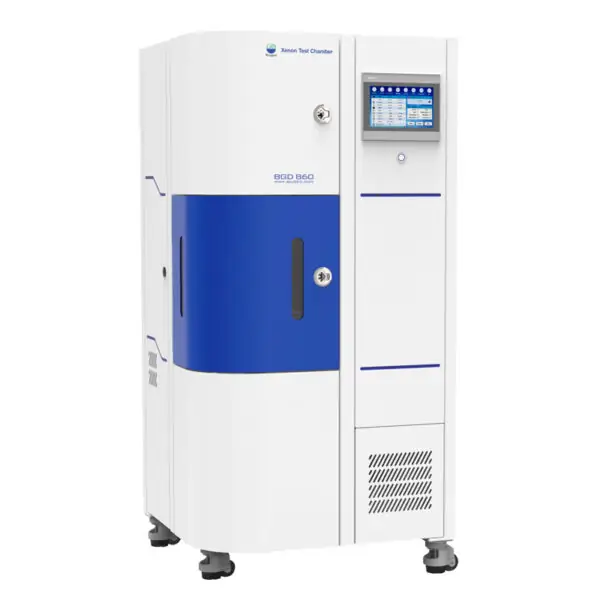
I’ve coached lab teams through dozens of procurement cycles and seen what sticks: insist on factory-backed calibration, clear spare-part lists, and user training built into the purchase. Suppliers who publish method validation data and support ASTM/ISO test methods reduce risk. If you’ve walked the exhibition floor at major industry events like Analytica China in Shanghai, you’ll notice vendors who demonstrate routine calibration and live sample runs stand apart; that’s a practical sign of reliability. For reference, you can examine product lines and datasheets from trusted manufacturers such as biuged instruments, and compare their published specifications against the specific test methods your team uses.
Simple checks to run before you sign
Request a site-specific test: have the supplier run one of your typical samples under your exact test routine. Verify the vendor’s on-site service SLA in writing. Ask for a local reference—preferably a facility with a similar throughput. Confirm software exports match your LIMS needs. Require training for at least two operators and one supervisor documented in the contract. Finally, budget for the first two annual calibrations up front.
Final thoughts
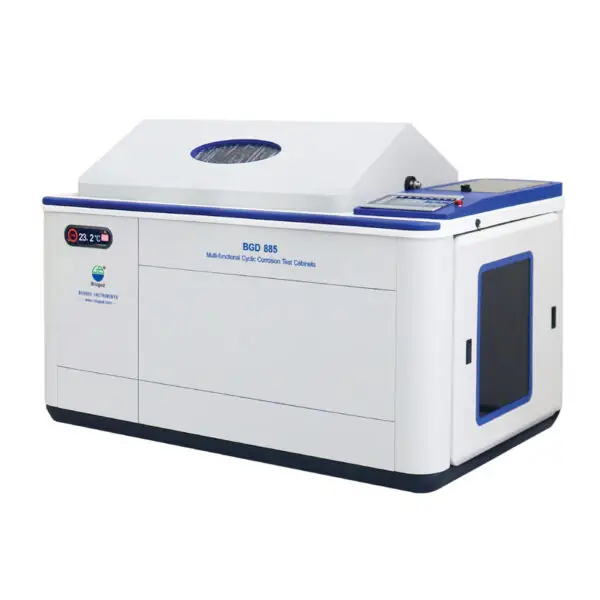
Treat the purchase like solving a parenting problem: you want something dependable that reduces stress, not a showy gadget that creates more work. Match the machine to the day-to-day failure mode, insist on verifiable calibration and service, and test with your own samples before committing. For teams steering toward reliable bench-level solutions, BIUGED represents a practical set of options that align with these straightforward, risk-reducing steps.