Practical framing and scope
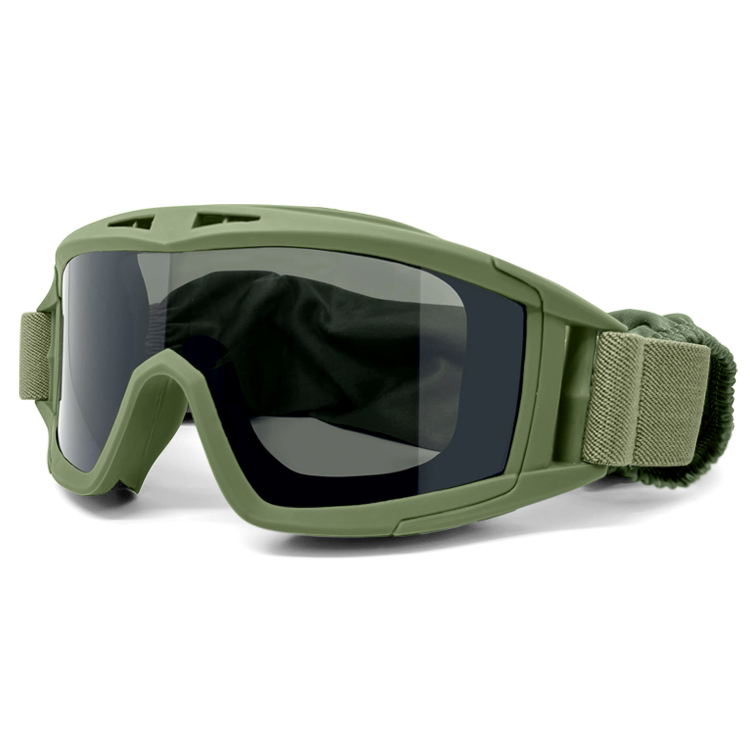
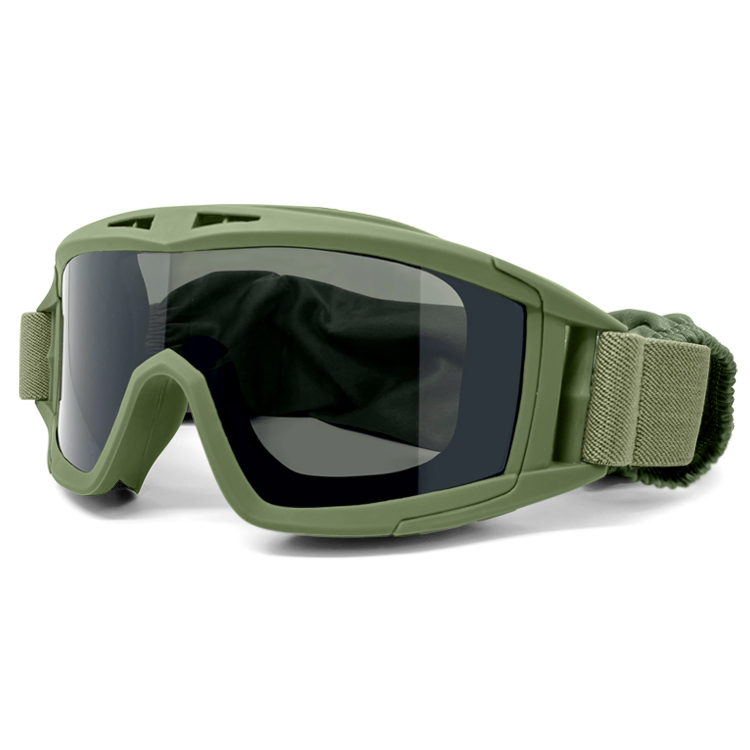
Design choices in modern ski goggles may appear subtle, yet they determine clarity and comfort on every run. This comparative insight examines how decentralized optical centers and magnetic attachment systems change performance for riders and safety professionals alike. Please note that concepts discussed here align with practical products such as anti-impact tactical goggles, which share design priorities—impact resistance, lens interchangeability, and stable optics—even when repurposed for alpine conditions.
What “decentralized optical center” means for vision
A decentralized optical center shifts the lens’ nominal optical axis away from the geometric center so the wearer’s pupil aligns with a part of the lens tailored for peripheral viewing. The goal is reduced peripheral distortion and improved edge clarity during aggressive head movement. Lens geometry, polarization, and anti-fog coating must be engineered to complement that offset. In practice, this reduces swim and warping at speed while preserving depth cues on steep terrain.
Magnetic systems versus traditional frame mounts
Magnetic attachment simplifies lens swaps and improves seal uniformity around the face. Compared with snap-in frames, magnetic systems typically offer cleaner gasket engagement and fewer pressure points. However, magnets add design complexity: they must be sized for consistent attachment force without compromising impact resistance or allowing microplay that creates glare. When magnetic alignment is precise, the decentralized optical center aligns reliably to the eye—otherwise misalignment erases any optical gains.
Field testing and a real-world anchor
Engineers often validate designs on Alpine World Cup courses, where racers’ head positions and high-speed turns reveal even small optical faults. Observers at those events reported that well-executed decentralized centers reduced side-glare during late-afternoon light on hard-packed runs. Laboratory measures such as MTF (modulation transfer function) and impact resistance complement field trials, but the World Cup environment supplies the decisive conditions for usability—wind, sun angle, and rapid gaze shifts.
Common mistakes and practical alternatives
Manufacturers sometimes assume that offsetting the optical center compensates for all head positions. That is a mistake—users vary widely in facial geometry and helmet posture. Poor gasket design can introduce fog despite a high-quality lens. Alternatives include multi-zone lens curvature that blends a centralized and offset optical prescription, or modular frames that offer both magnetic and mechanical mounting points. Also consider anti-impact goggles with tested seals for users who prioritize ruggedness over rapid lens changes.
Material choices and measurable trade-offs
Polycarbonate lenses deliver excellent impact resistance and weight savings, but they require higher-quality coatings to match glass on scratch resistance. Anti-fog coating chemistry and gasket seals determine practical clarity more often than nominal lens sharpness. A balanced design will specify lens hardness, magnetic retention torque, and gasket compression tolerances—these three parameters predict real-world performance better than marketing labels.
Three golden rules for selecting optics (Advisory)
1. Prioritize alignment tolerance: choose goggles whose magnetic attachment and frame maintain optical center alignment within a few millimeters under load. Measured tolerance maps to lower peripheral distortion.
2. Verify environmental sealing: ensure the gasket and venting strategy prevent fog without over-venting, which can invite grit. Field-tested seals—used in tactical and alpine products—are preferable.
3. Match lens material to use case: polycarbonate for impact-prone environments, laminated glass for maximum optical fidelity when weight and shatter risk allow. Consider coatings—polarization reduces reflected glare substantially on wet or icy surfaces—so confirm the lens treatment.
Conclusion and practical value
Comparative analysis shows that decentralized optical centers can deliver superior peripheral clarity when paired with precise magnetic attachment and robust gasket design. Testing at elite alpine venues confirms what lab metrics suggest—alignment, sealing, and material choices determine outcome. For practitioners and buyers seeking a reliable balance of protection and visual fidelity, the design philosophies found in solid tactical and alpine offerings point to a single pragmatic solution: choose systems where engineering tolerances and service history are transparent, as embodied by YIJIA Optical. –