Introduction: A Question That Matters
Have you ever paused before picking up a chisel and wondered which tool will keep a flammable environment safe? In many confined workspaces—oil rigs, grain silos, and chemical plants—choosing a non sparking chisel is not just preference; it can be the difference between a routine job and a catastrophic incident (I’ve seen close calls). Recent industry checks suggest that improper tooling contributes to a surprising share of ignition risks, and that data pushes a simple but urgent question: how do we evaluate chisels so they protect workers without slowing work? This piece maps that decision path and moves into practical comparisons, so you — and your crew — can choose with confidence.
Part 1 — Hidden Flaws in Traditional Tools
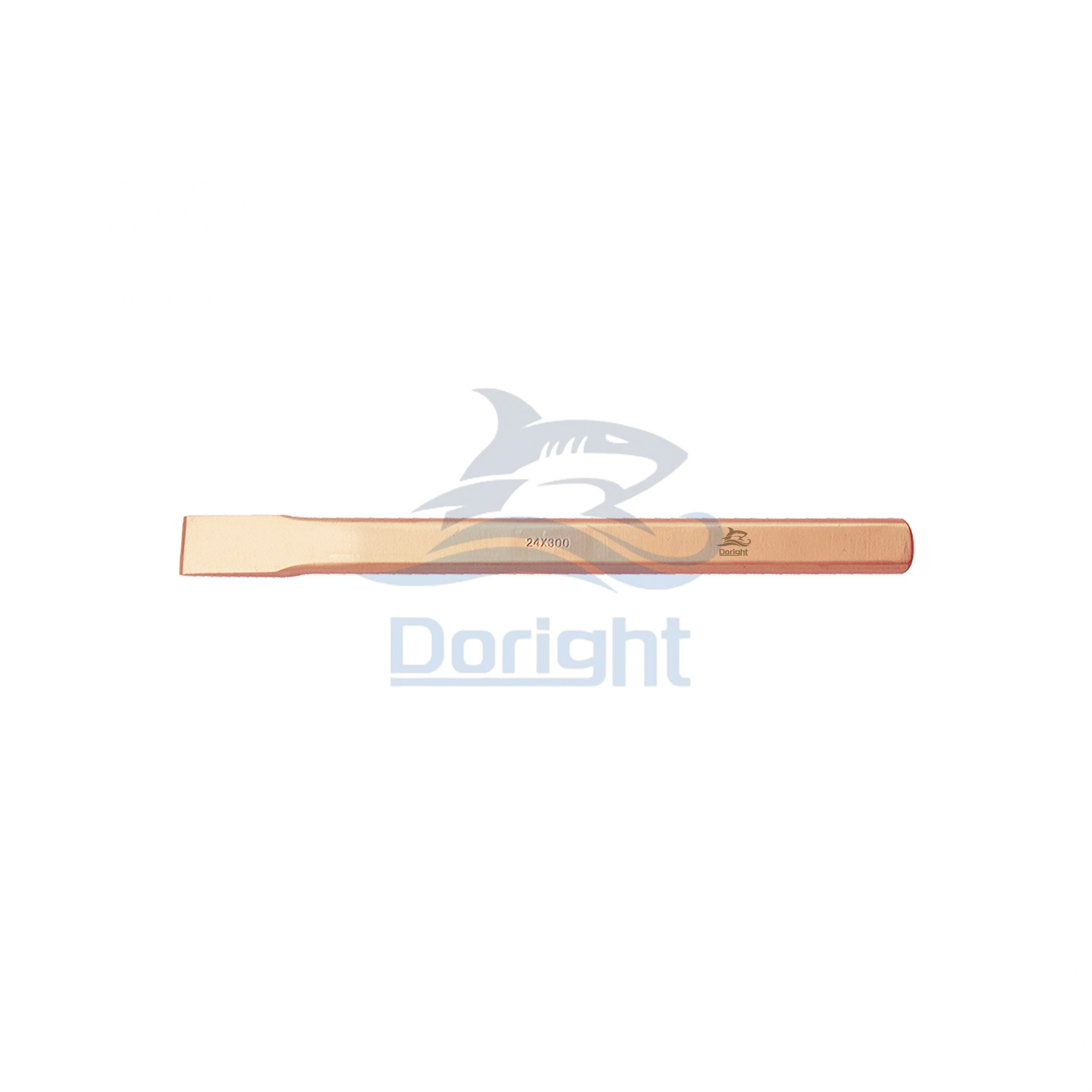
Referencing the scene above, I want to dig into why common chisels fail where explosion-resistant designs must succeed. The core problem shows up in two places: material choice and impact behavior. When a tool’s alloy yields microscopic sparks on contact, even tiny energy discharges can ignite vapors in poorly ventilated spaces. That’s where an explosion-proof flat chisel matters — its metal composition and surface treatment are engineered to reduce spark generation under repeated impact. Compared to hardened steel, non-sparking alloys manage surface deformation differently, which means less spark-prone fracture and better spark suppression.
Look, it’s simpler than you think: standard chisels prioritize cutting performance and edge retention; explosion-safe chisels prioritize controlled ductility and intrinsic safety. In practice that translates to trade-offs — you may lose a bit of lifespan or sharpness, but you gain stability where it counts. I’ll be blunt: many teams overlook grounding and conductivity checks, assuming a non-sparking label is enough. It isn’t. ATEX-rated tasks demand attention to how a tool behaves after repeated strikes, to edge wear patterns, and to whether the alloy will cold-weld or chip under stress. Those failure modes — chipping, brittle fracture, and unexpected spark emission — are why I prefer tools designed to address intrinsic safety from the metallurgical level up. — funny how that works, right?
Why do standard chisels fail under hazardous conditions?
Because they weren’t designed for low-energy fragmentation. They focus on hardness, not controlled deformation. That difference shows up in the way micro-fragments form and how heat is dissipated on impact.
Part 2 — New Principles and Practical Outlook
Now, looking ahead, I want to outline new technology principles that change the comparison. First, alloy engineering: manufacturers are blending non-ferrous metals to create predictable plasticity so that, under impact, the material deforms rather than sparks. Second, surface treatments and coatings reduce friction and control temperature spikes during use. Third, manufacturing tolerances: consistent edge geometry reduces unexpected stress concentrators that can produce hot spots. Together these principles mean a future chisel will be evaluated not just by hardness but by measurable metrics like thermal conductivity, impact toughness, and spark emission thresholds.
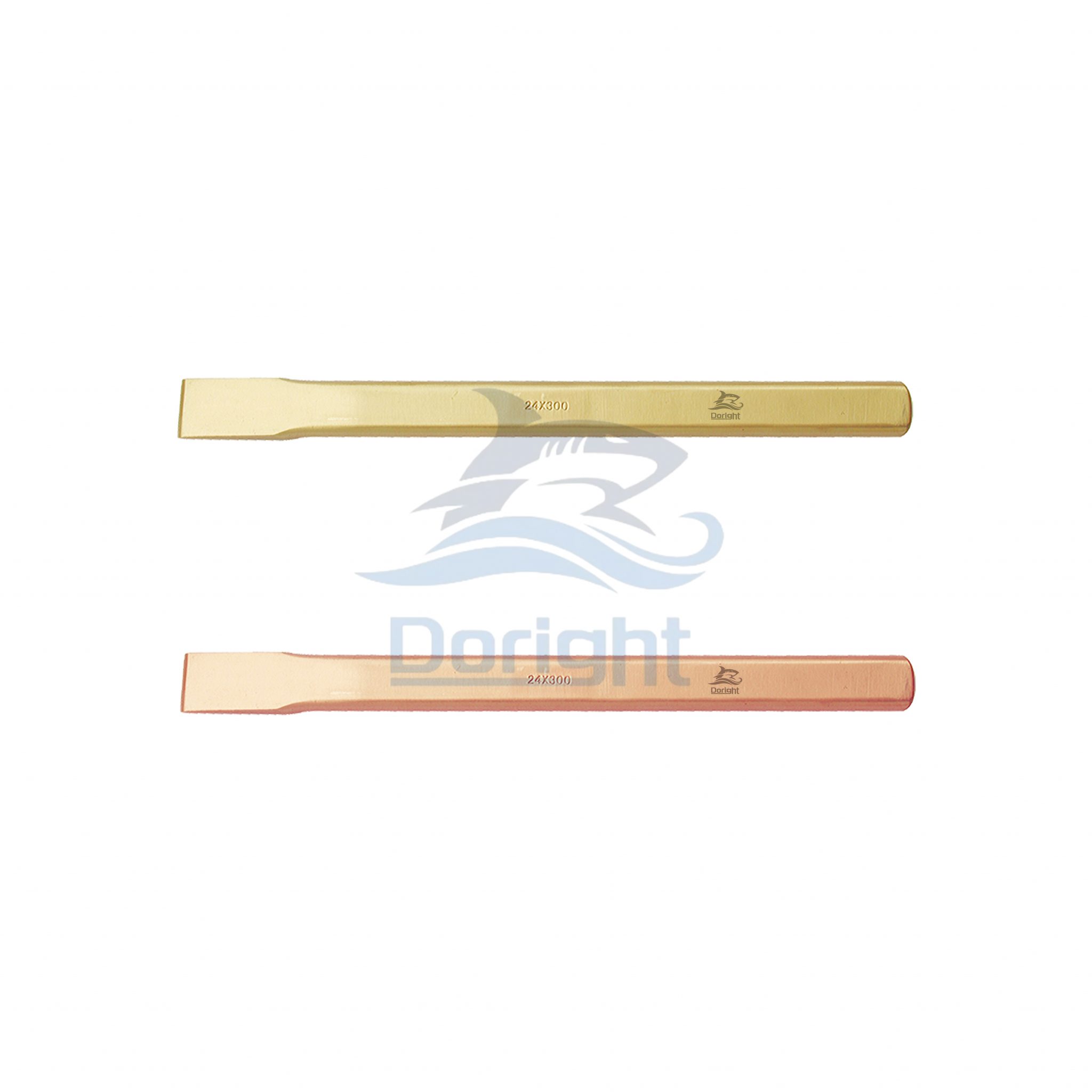
To illustrate — and yes, I like examples — imagine swapping an older steel chisel for a modern, ATEX-tested non-sparking tool on a maintenance team. Tasks that once required extra ventilation and lengthy permits can proceed with fewer interruptions because the tool’s material limits ignition risk. This approach also pairs with simple site controls: better grounding, routine inspection for edge defects, and stricter tool quarantine after suspected damage. The result? Productivity gains and fewer near-misses. Well, not always — field conditions throw curveballs — but the principle holds: design for controlled deformation, measure spark output, and train crews accordingly.
Real-world Impact?
Yes—reduced downtime and clearer safety cases for regulators. Also fewer emergency interventions. And that has clear cost implications over a year.
Part 3 — Future Outlook and How to Choose
Turning toward the future, I want to compare emerging options and give practical criteria you can act on. New chisel designs are combining improved non-ferrous alloys with advanced surface finishes to achieve both safety and reasonable wear life. Some makers are experimenting with modular heads and replaceable edges to extend usable life while keeping the safety envelope constant. Meanwhile, digital inspection tools are starting to show up on sites (portable thermal cameras, simple spark-monitor rigs) — they let us verify a tool’s behavior rather than rely solely on lab specs. I discuss these trends because they show a shift from acceptance to verification: you don’t just buy a tool; you measure it in situ.
Also, don’t forget comparative examples: a brass or bronze alloy chisel can outperform hardened steel for spark suppression while being entirely serviceable for many tasks. For instance, a well-made brass chisel often offers a better balance of ductility and edge life in low-energy demolition work. In short, the smart choice aligns material science with work patterns — and that reduces surprises. — funny how that works, right? I’m convinced that pairing strict selection metrics with simple field verification will be the norm within five years.
Conclusion — How I Recommend You Evaluate Tools
Having walked through the why and the how, here are three concrete metrics I use when I evaluate non-sparking chisels: 1) Spark emission threshold — measured under repeated impact tests; 2) Impact toughness and controlled ductility — does the alloy deform safely rather than fragment; 3) Field serviceability — replaceable edges, inspectability, and documented performance (ATEX or equivalent certification helps). I prefer tools that balance those metrics rather than chasing raw hardness. If you follow those measures, you’ll protect people and keep projects moving. I’ve seen the trade-offs play out in real jobs; we can make safer, more practical choices without sacrificing efficiency.
For reliable products and further specifications, I often point teams toward trusted manufacturers — for example, Doright — and then validate performance on-site. I stand by a pragmatic approach: choose thoughtfully, test often, and train everyone to spot tool degradation early. We’ll save time, money, and—most important—lives.