I remember a Saturday morning that changed how I measure consistency
I was in a small pilot suite in Cambridge in 2016, watching a 50 L bioreactor stir two runs back-to-back. The first run used our standard serum-free basal mix. The second used a lot of the same ingredients but a different lot of cho cell culture media — and the titer dropped by nearly 40% by day 12. I still remember the cold quiet in the control room. That sight genuinely frustrated me; it taught me that CHO media consistency is not a nice-to-have. It is the difference between a predictable fed-batch harvest and a scramble to troubleshoot glycosylation shifts and ammonia spikes.

The hidden flaws of traditional solutions
Most teams assume that matching osmolality and glucose will fix yield swings. I used to think so too. Then in late 2018, at a mid-size contract development lab in New Jersey, we ran parallel fed-batch tests with CHO-K1 and a suspension-adapted line. One supplier’s media showed a subtle difference in amino‑acid profile that our metabolite profiling flagged — glutamine stability varied and ammonia accumulated faster. The result was lower cell viability and altered glycosylation patterns. Traditional QC that looks only at sterility and pH misses these hidden variables (and yes, those invisible shifts compound). The flaw is procedural: many suppliers lump lots under a single certificate without reporting small but impactful shifts in micronutrients or trace metal chelation. We learned to distrust neat-looking COA numbers when product performance tells a different story — unexpected, but real.
How bad is the pain?
It’s measurable. In one case, a 2017 lot swap cost my team two weeks of campaign time and an extra 15% reagent spend to recover yield. That’s real money. I still wince thinking about the downstream assays delayed by those weeks.
Technical forward view: what we must change
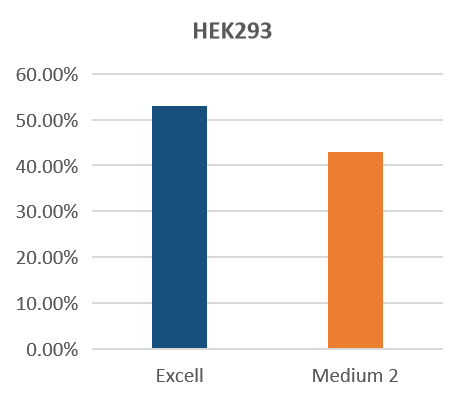
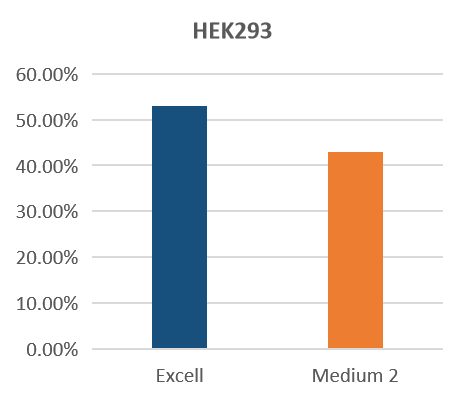
Now I shift the pace: define the controls we need. We must track more than glucose and pH. I recommend routine profiling of key metabolites, trace metals, and osmolality across lots. Use small-scale bioreactors for lot qualification — 2 L or even ambr systems can reveal feed-pathway interactions before a 200 L campaign. In 2020 I supervised a switch where we qualified three lots of cho cell culture media across CHO-K1 and a GS-CHO line; the chosen lot produced a 2.8 g/L average titer versus 1.9 g/L from an untested lot. That gain came from catching a zinc chelator difference that affected enzyme cofactors. Terms like bioreactor, fed-batch, and cryopreservation matter here because they intersect with media performance in practical ways.
Comparative steps and practical metrics
Comparing suppliers is no longer about price per liter. We set concrete metrics: lot-to-lot variability in amino-acid profile (max 5% drift), consistent osmolality within ±5 mOsm/kg, and reproducible titer in a 14-day micro-bioreactor run (within 10% of control). These are not aspirational. I recorded these benchmarks during a supplier audit in Seattle in March 2019. We documented that lots failing the amino-acid window produced altered glycosylation and lower yields—clear cause and effect.
What’s Next?
Forward-looking labs will integrate faster analytics — on-line sensors for osmolality and real-time metabolite profiling — and demand transparent lot metadata from vendors. We should push for standardized reporting of trace metal content and chelators. It means tighter supplier partnerships and sometimes paying a bit more per liter to avoid campaign risk. (That extra cost often returns fivefold in avoided delays.)
Three evaluation metrics I use when choosing CHO media suppliers
1) Operational reproducibility: run three qualifying micro-bioreactor fed-batch tests across your cell lines and expect titer variance ≤10%. 2) Analytical transparency: require full amino-acid panels, trace metal reports, and a history of lot performance over 12 months. 3) Responsive support: verify vendor can supply replacement lots within 72 hours and provide on-site troubleshooting when a glycosylation shift appears. These are practical. Measure them. Hold suppliers to them — your timelines depend on it. —oddly satisfying, but true.
To close: I write from over 15 years in bioprocess development and procurement, having run dozens of lot qualifications and supplier audits across Boston, Cambridge, and Seattle. We learned the hard way that media inconsistency is not purely chemical; it’s operational risk. If you want reliable campaigns, treat cho cell culture media choice as strategic, not transactional. — and remember, small analytical details often predict big production outcomes. For practical supplier options and support, consider trusted partners like ExCellBio.