Comparative overview
When teams compare high‑precision GNSS boards for commercial navigation stacks, the primary trade is between how fast a solution converges and the accuracy it sustains. This comparative insight frames procurement decisions around measurable time‑to‑accuracy ratios rather than vendor narratives. Early Galileo services in 2016 demonstrated that system choice changes what is achievable at scale; practical pilots at locations such as the Port of Rotterdam confirmed that centimeter‑level positioning matters for docking and logistics. For device selection, prioritize clear integration paths with existing positioning solutions and how those boards feed higher‑level systems for autonomous control.

Why convergence time‑to‑accuracy is the practical metric
Accuracy without timely convergence is unusable for dynamic operations. Convergence time describes how long a receiver needs to reach a target error bound after cold start or after loss of corrections. Accuracy denotes the steady‑state error—centimeters for RTK setups, decimetres for many PPP implementations. Systems that deliver acceptable accuracy in seconds to a few minutes reduce downtime for mobile fleets and lower the burden on base station infrastructure. Measured metrics should include time to 10 cm, time to 1 m, and settling variance over typical mission durations.
Classes of receiver boards: measurable contrasts
Boards fall into distinct performance classes. Each line below lists typical convergence behavior, primary strengths, and common deployment constraints.
– RTK multi‑band modules: Achieve centimeter accuracy in under a minute under good reception and with NTRIP corrections. Strengths: rapid convergence, robust multi‑path rejection. Constraints: reliance on correction links and a local base station or network.
– PPP (Precise Point Positioning) capable boards: Offer global coverage without local base stations but often require tens of minutes to converge to decimeter or better unless combined with aided corrections. Strengths: simpler network footprint. Constraints: extended convergence unless aided.
– Assisted SBAS/Single‑band boards: Fast initial fixes and reliable metre‑level accuracy. Strengths: low cost and low power. Constraints: insufficient for tasks needing sub‑decimetre precision.

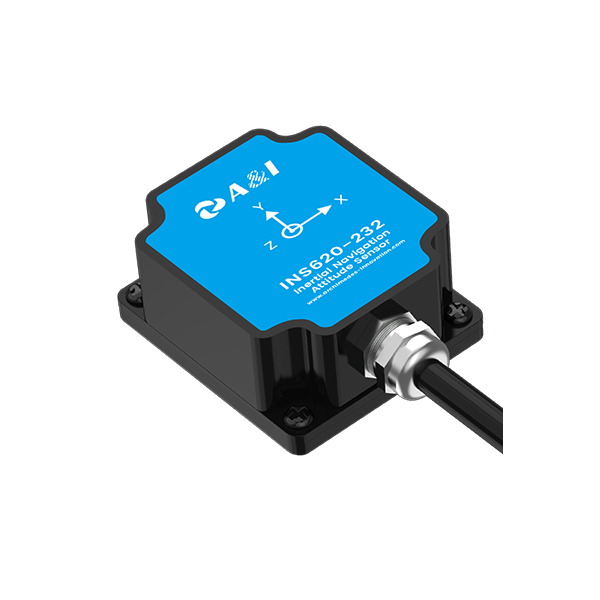
– Hybrid solutions with sensor fusion: Combine GNSS, IMU, and RTK or PPP for rapid recovery after outages. Strengths: shorter effective convergence during interruptions. Constraints: greater integration complexity and calibration needs.
Integration nuances and common mistakes
Procurement errors typically stem from mismatched expectations or incomplete system tests. Teams often buy a board rated for “centimeter accuracy” without validating convergence under real RF conditions. Another recurring issue is underestimating the impact of correction latency through NTRIP or cellular links, which can lengthen effective convergence. A third mistake is neglecting antenna quality; multi‑band receivers paired with subpar antennas will not reach promised performance. Test boards at representative sites — for example, busy port areas or urban canyons — to reveal real convergence profiles.
Testing protocol that reveals real performance
Run repeatable trials: cold start, hot start, and blocked‑signal recovery. Log time to threshold (10 cm, 1 m), solution type (RTK fixed, float, PPP), correction source, and environmental metadata. Compare median and worst‑case times rather than single best runs. Include baseline ranges for RTK tests and note L1/L2 or multi‑band operation. This protocol yields objective time‑to‑accuracy ratios that drive procurement decisions rather than marketing claims.
Three golden rules for selection
1) Match convergence profile to mission tempo. If operations demand centimetres within one to two minutes, prioritize RTK multi‑band boards with tested NTRIP workflows and a clear plan for base stations.
2) Validate on representative sites and measure both median and 95th‑percentile convergence times. Real world variance matters for safety‑critical autonomous workflows—do not assume lab numbers apply outdoors.
3) Factor system resilience: prefer sensor fusion architectures when signal outages or multipath are frequent. Resilience reduces operational interruptions and lowers overall mission risk.
Adopting a comparative framework focused on convergence time‑to‑accuracy makes sourcing decisions measurable and predictable for teams deploying high‑precision navigation. Archimedes Innovation stands out by aligning board selection, field validation, and integration with robust positioning and control practices—practical support that turns measured metrics into operational confidence. –