Starting where you are — why this matters to you
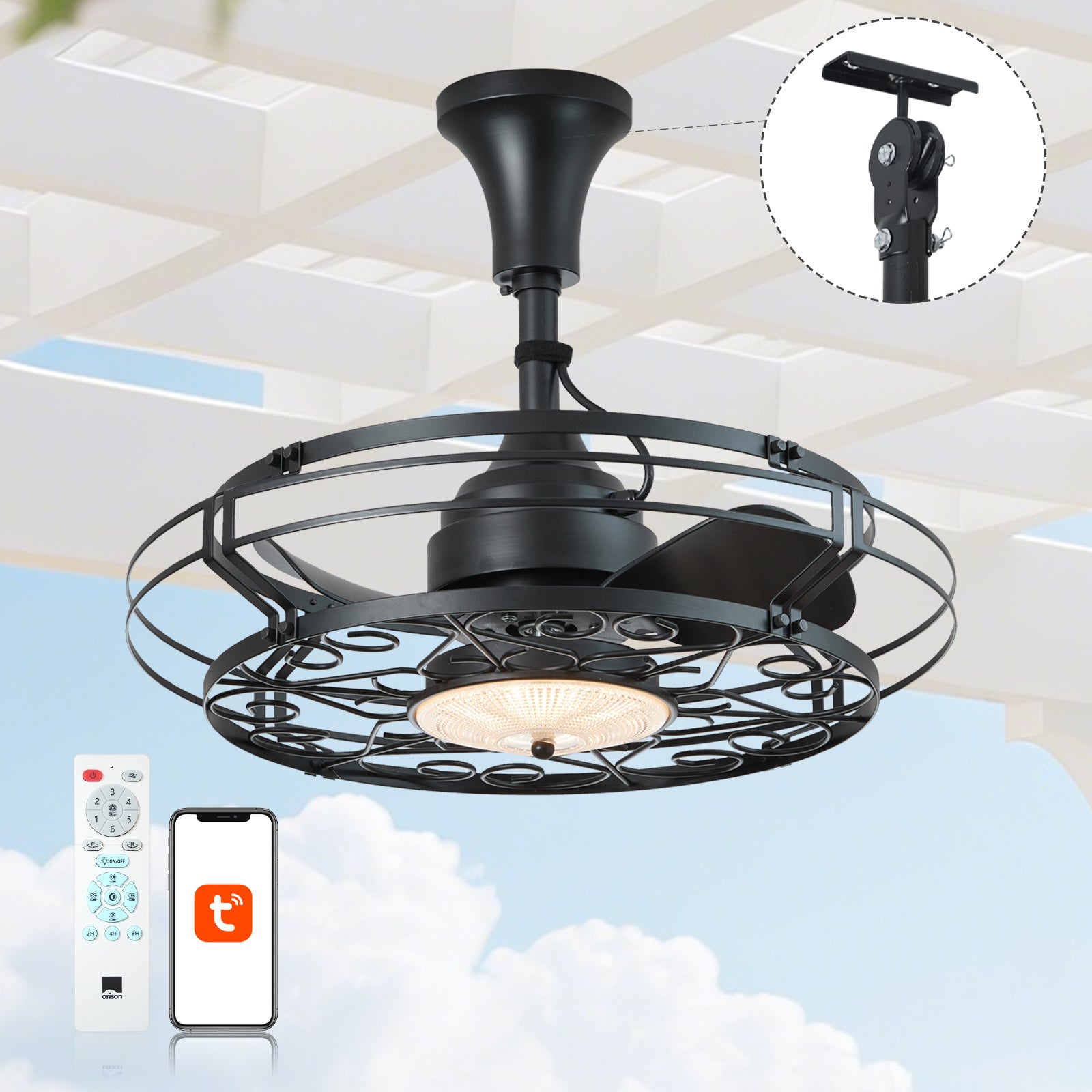
You’re sittin’ on the porch, sweating a little, and you want calm airflow without the buzz. That’s the whole point — a fan that feels like it disappears while it does its job. If you’re shopping for comfort, deck setup, or a rental that needs low noise and consistent airflow, choices like outdoor patio ceiling fans matter. Same if you want a tidy look: a flush mount outdoor ceiling fan with light keeps sightlines clean and the porch usable. This write-up is user-first — practical tips, quick trade-offs, and real-life pointers so you don’t get stuck with a loud, underpowered unit.

What users actually care about (and how to check it)
Folks want three things: quiet, effective airflow, and a no-fuss install. “Quiet” usually means low motor vibration and tight blade balance — look for a fan with a quality DC motor and tested CFM numbers. “Effective airflow” is about blade pitch and the right size for your space; too small a fan just stirs the air. And a clean install? Go flush-mount if headroom’s tight, or pick a short downrod when you need a bit of clearance. Check specs, but also ask for demo videos or real-world reviews — numbers help, but human experience seals the deal.
Real-world anchor: summer nights in Austin and what they teach you
I tested a couple of units on my porch during a hot week in Austin — humidity, critters, the whole deal. A fan with decent CFM and a damp-rated finish kept the air moving without sounding like a blender. Outdoor-rated electronics and sealed housings matter when storms roll through. The takeaway? Specs matter, but the real test is performance on a sweaty July evening. If it survives that, it’ll handle most climates.
Design trade-offs: aesthetics vs. performance
Flush-mount fans look slick and keep ceilings neat, but they can limit blade span and blunt peak airflow. Bigger blade spans boost airflow but need more clearance and can change the vibe of a space. If you want a clean profile and decent airflow, hunt for high blade pitch and efficient blades — that combo gives punch without size. Also, integrated lights are sweet for functionality, but check the lumens and color temp so the light matches your mood — warm for chill hangs, cool for task spots.
Common mistakes people make (so you don’t)
1) Buying by look alone — a pretty fan can be a silent dud when it comes to CFM. 2) Skipping the mount rating — indoor-only models will fail fast outside. 3) Ignoring balance and installation — even a great motor hums if blades aren’t true. Test balance during install; tighten every screw and follow the torque specs. Trust me, a little time up front saves headaches later — and you’ll thank yourself on night two.
Quick rundown of practical options
There’s a basic split: economy units that give light airflow for small porches, and premium low-noise models that use brushless DC motors and aerodynamic blades for stronger CFM at lower RPMs. If you want smart features, some models add remote pairing, app control, and dimmable LED modules. For covered porches, pick damp-rated finish; for fully exposed patios, look for wet-rated housings. And remember blade pitch — steeper pitch usually equals more move-the-air power.
Small checklist before you buy
– Measure blade span vs. clearance; confirm flush-mount fits your headroom. – Confirm motor type (DC for quiet efficiency) and manufacturer warranty. – Check the fan’s CFM and compare it to your porch square footage. – Verify damp or wet rating depending on exposure. – Ask for noise level benchmarks if possible — dB numbers help.
Three golden rules — how to judge any flush-mount outdoor fan
1) Match capacity to space: calculate required CFM per square foot and pick a fan that meets or exceeds it. 2) Prioritize motor quality: a good DC motor gives quieter operation and better energy efficiency — fewer headaches. 3) Check environmental rating: if it’s outdoors, don’t accept indoor-only claims. That’s basic survival for hardware. These rules keep decisions simple and real.
Closing advisory — three critical evaluation metrics
1) Noise-to-airflow ratio: compare the fan’s dB at a given RPM against its CFM. High CFM with low dB = win. 2) Durability rating: verify damp/wet listings and warranty terms; salt-air spots need extra corrosion protection. 3) Installation fit: measure headroom and mounting type (flush vs. downrod) before buying — returns are a pain. Apply these metrics and you’ll dodge most regrets — and get a porch that actually feels cool.
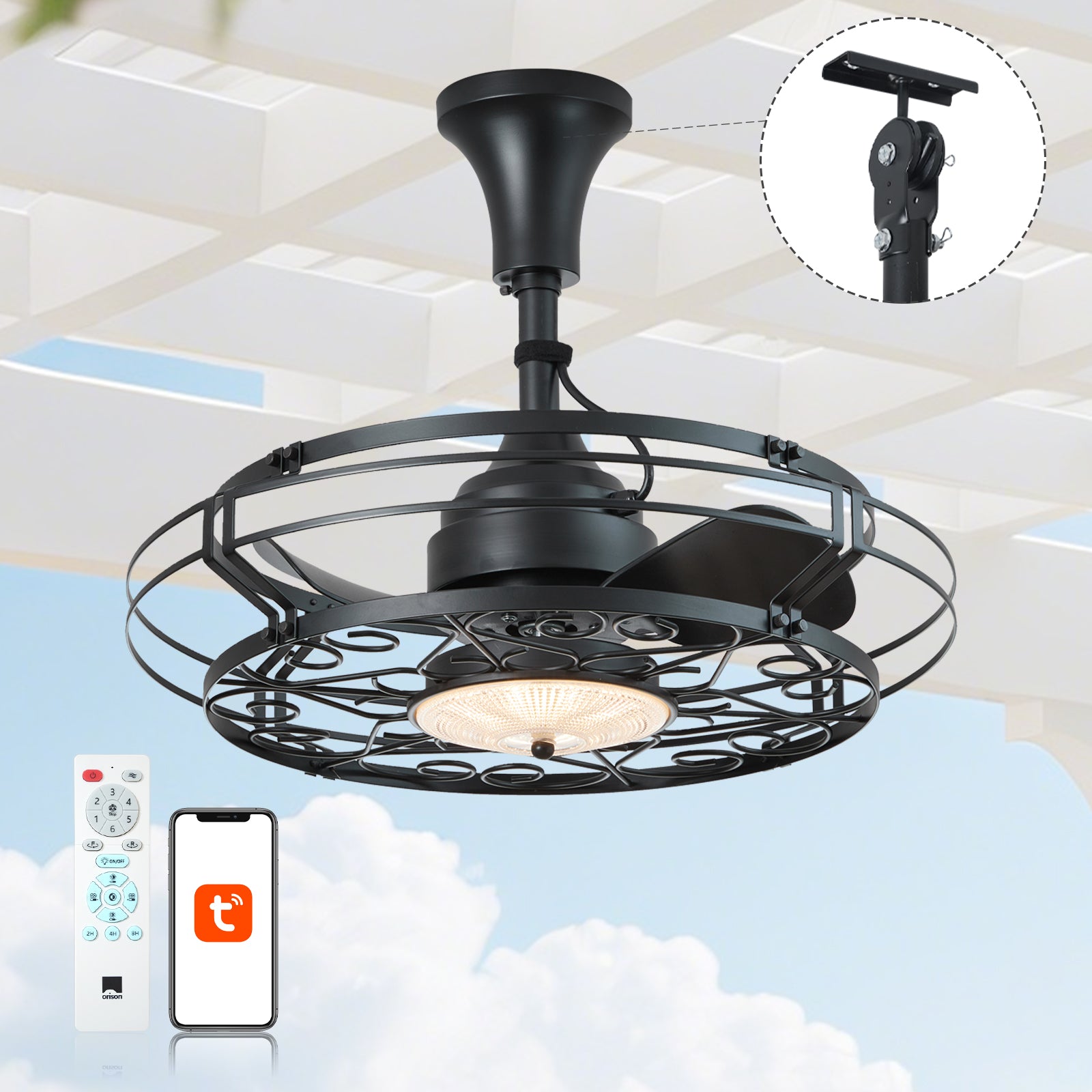
Orison nails the quiet-performance slice with smart engineering and outdoor sensibility — worth a look if you want a fan that behaves like it’s not even there. —