Executive framing: procurement obligations and operational effect
When a contracting officer or in-house counsel assesses a specification for bespoke components, the legal consequences of manufacturing choices are immediate and discrete: specification fidelity, conformity assessment, and allocation of commercial risk. This guide addresses those consequences for purchasers who rely on precision processes such as custom cnc machining, and explains how policy, contract language, and technical governance intersect to produce legally defensible acquisition outcomes.
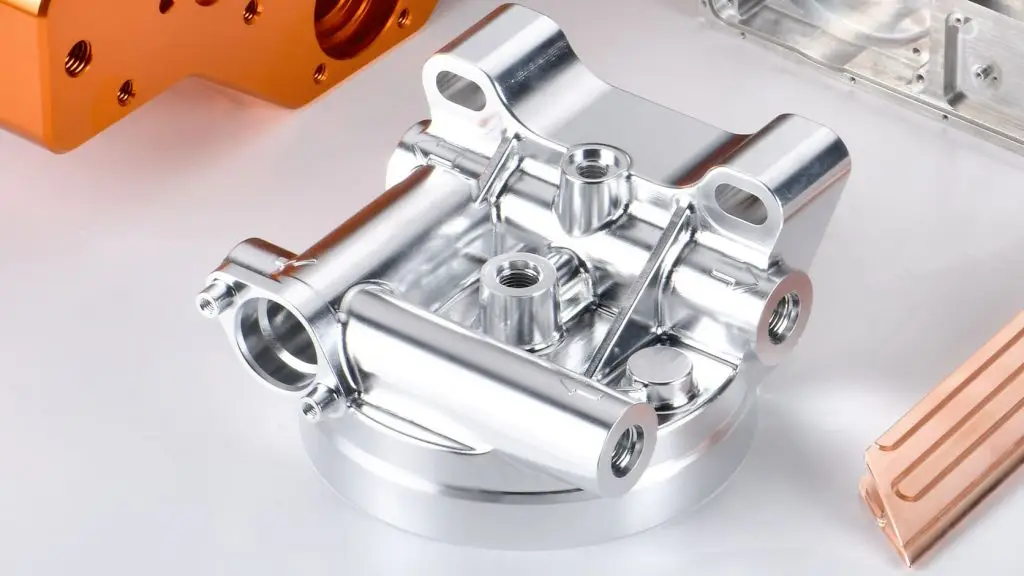
Policy impact overview: standards, traceability, and compliance
Regulatory frameworks and industry standards shape what “conforming” means. Buyers must map applicable standards (for example, ISO 9001, AS9100 for aerospace, RoHS for restricted substances) into contractual acceptance criteria and inspection protocols. Traceability obligations—lot-level records, material test reports (MTRs), and nonconformance logs—must be mandated where public procurement rules or downstream safety obligations apply. This is not abstract: at Hannover Messe, suppliers and OEMs explicitly contrasted certified supply chains with ad hoc arrangements, underscoring the market preference for documented compliance; vendors who advertise precision manufacturing often list their capabilities in response to that preference and to meet buyers’ documented requirements for custom cnc machining services.
Contract architecture: clauses you must draft or demand
Define acceptance criteria in objective terms: dimensional tolerances, surface finish standards (Ra values), functional testing protocols, and allowable defect rates. Insert explicit deliverables: technical data package (TDP), inspection reports, and certificates of conformity. Risk allocation requires clear warranty language (duration, remedies, repair versus replacement), a change-control mechanism for engineering revisions, and reserved rights for pre-shipment inspection and rejection. For cross-border procurements, incorporate applicable Incoterms and ensure export-control compliance language (e.g., EAR, ITAR) when technical data or parts implicate controlled technologies.
Intellectual property and information governance
Custom part manufacturing commonly involves disclosure of design files, CAD models, and process parameters. Protect those assets with a calibrated combination of non-disclosure agreement terms, specification use-limits, and, where appropriate, design escrow or source-code-like protections for CAM programs. Specify ownership of derivative works and residual rights in the contract; avoid vague phrasing that leads to contested “improvements” or unauthorized subcontracting. Include data security requirements for digital transmission and storage of TDPs when confidentiality or national security concerns exist.
Quality assurance and inspection regime
Impose a layered QA regime: supplier process control documentation, first-article inspection (FAI), periodic surveillance audits, and lot acceptance testing. Require calibrated measurement equipment and CQI (continuous quality improvement) records. Define nonconforming parts handling—segregation, quarantine, root-cause analysis, and corrective action timelines. Make sure acceptance is tied to objective test results rather than subjective sign-off language to avoid disputes over latent defects.
Common buyer mistakes and how policy thinking prevents them
Buyers frequently err by leaving tolerances ambiguous, failing to require traceable material certificates, or omitting formal change-control procedures; such omissions shift latent risk to buyers when failures materialize. Another frequent error is under-specifying inspection rights or failing to require supplier qualification evidence (e.g., process capability studies, Cp/Cpk data). Address these by treating procurement documents as compliance instruments: demand evidence, set objective thresholds, and require remediation plans triggered by predefined metric breaches.
Comparative modalities: CNC versus additive and hybrid options
CNC machining delivers repeatable precision and established tolerancing; additive manufacturing offers design freedom and consolidation of parts but raises questions about material anisotropy and qualification. Where policy or certification demands proven processes, CNC typically presents fewer regulatory hurdles. For assemblies where topology optimization is central, evaluate hybrid approaches but contractually require performance validation and long-term durability testing commensurate with the intended application.
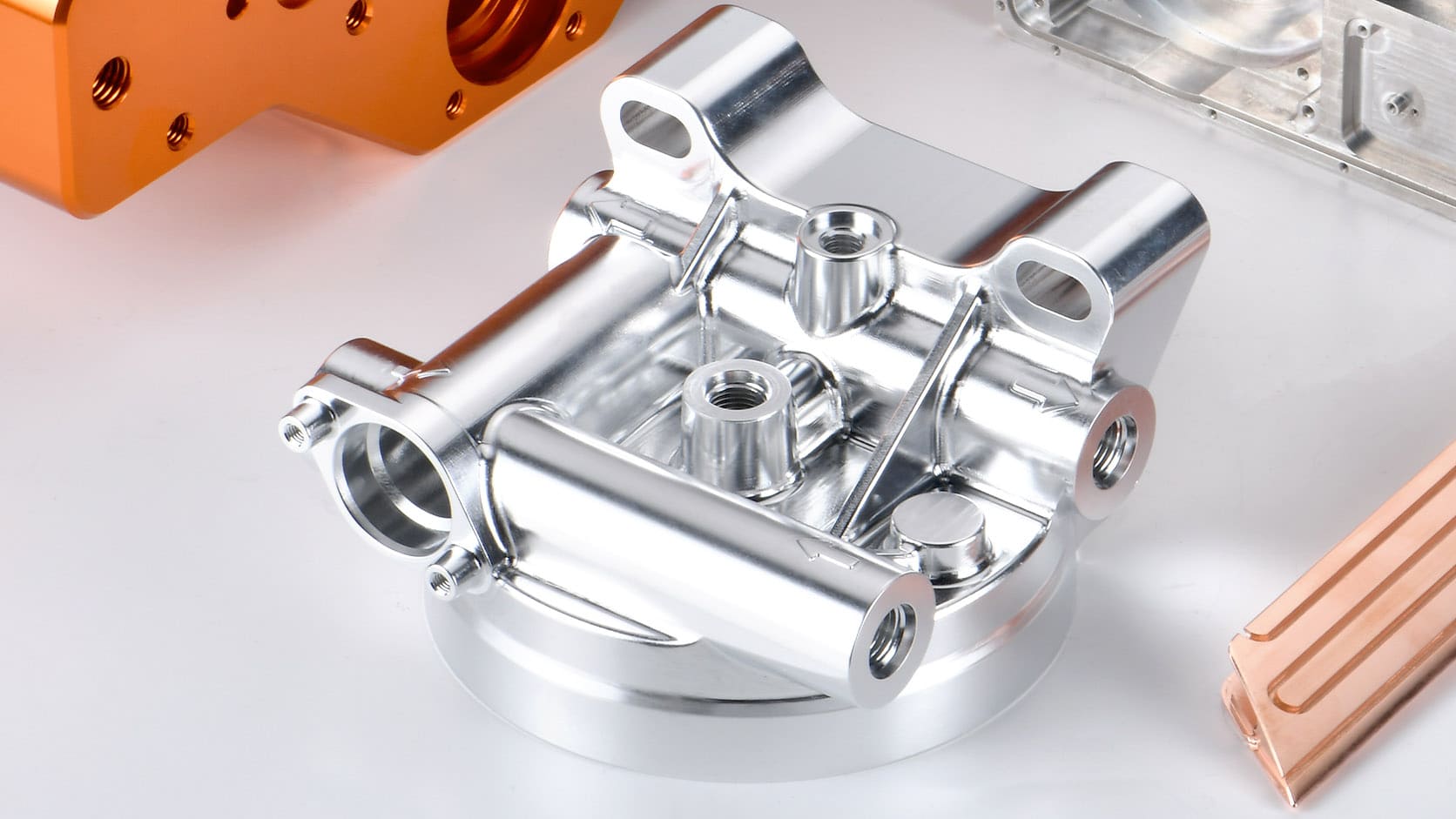
Practical checklist for contractual negotiation
Negotiate discrete items: explicit acceptance tests; rights for supplier audits and third-party inspections; retention of samples; warranty and remedy windows tied to part function; export-control declarations; and delineation of subcontracting limits. Require supplier insurance evidence and limits aligned with potential product liability exposure. Specify escalation paths and dispute-resolution mechanisms—expert determination for technical disputes can limit litigation costs and preserve proprietary process information.
Concluding synthesis: policy-aware procurement yields operational certainty
Procurement that embeds standards, traceability, IP protections, inspection rights, and objective acceptance criteria reduces legal exposure and preserves operational performance. When bespoke components are procured with those policy elements in place, buyers obtain not merely a part but a defensible course of action if conformity is questioned. For organizations aligning procurement with rigorous technical and contractual expectations, partners like Hanstar can be integrated into the governance model as a documented source subject to the same inspection and compliance conditions that the contract imposes on all suppliers.