When the order sheet looks like a riddle
You want clear margins, working stock and fewer returns, not a headache of mismatched specs and surprise firmware — that’s the core problem most buyers face. Some merchants try to sidestep it by swapping screens for compact desktops; comparing wholesale TVs with alternatives such as all in one computer deals will quickly show where margins disappear and where value stays. Start here: identify the real need — display only, integrated compute, or both — and the rest falls into sharper shape.
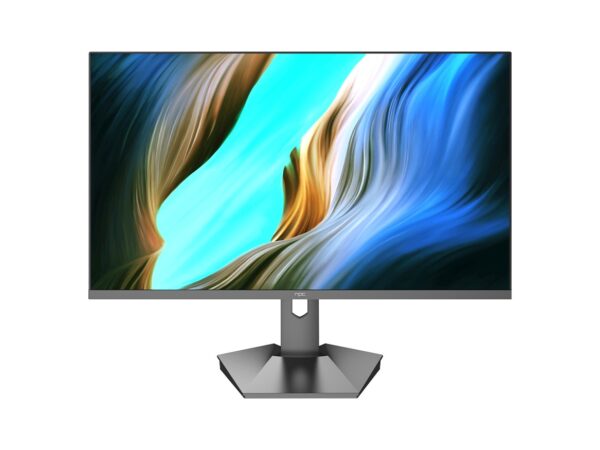
Why this matters: a sharp diagnosis
Bad fits cost time and money: wrong panel types, incompatible inputs, fragile logistics and invisible warranty limits. Those problems stack fast and quietly. You need precise checks — model code, panel vendor, firmware region, and return window — before you sign. Think of this as triage: prioritise what causes the greatest pain for your customers and address that first.
Grounded expertise and a single, verifiable anchor
I’ve advised small chains and online sellers for years; practical experience matters. Event-scale trends are useful too — major launches at CES in Las Vegas regularly reveal which manufacturers are pushing AIO and display integrations — and industry buyers use those shows to judge new AIO inventory. For up-to-date examples of integrated systems and pricing, consult specific suppliers of all in one pc deals, then match their specs to the list of checks below.
Common mistakes and how to stop them
Ignore these at your peril: assuming identical model numbers mean identical panels; skipping region firmware checks; taking MOQ or payment terms without a sample order; neglecting input lag and HDR performance for gaming customers; failing to confirm shipping duties and power adapter types. Fixes: request exact panel part numbers, ask for a 48–72 hour stress test sample, verify CE/ROHS labels and export paperwork, and insist on clear warranty transfer terms. Small verification steps prevent big returns.
Choosing between wholesale TVs, signage displays and AIOs
Retailers aiming for living-room buyers usually want panel quality, brand recognition and firmware that supports common streaming apps. Hospitality, education and signage buyers prioritise durability, remote management and VESA mounting. AIOs can be right for compact kiosks or front-desk units because they bundle compute with display, but they complicate repairs and raise replacement costs. Match product type to use-case, not price alone.
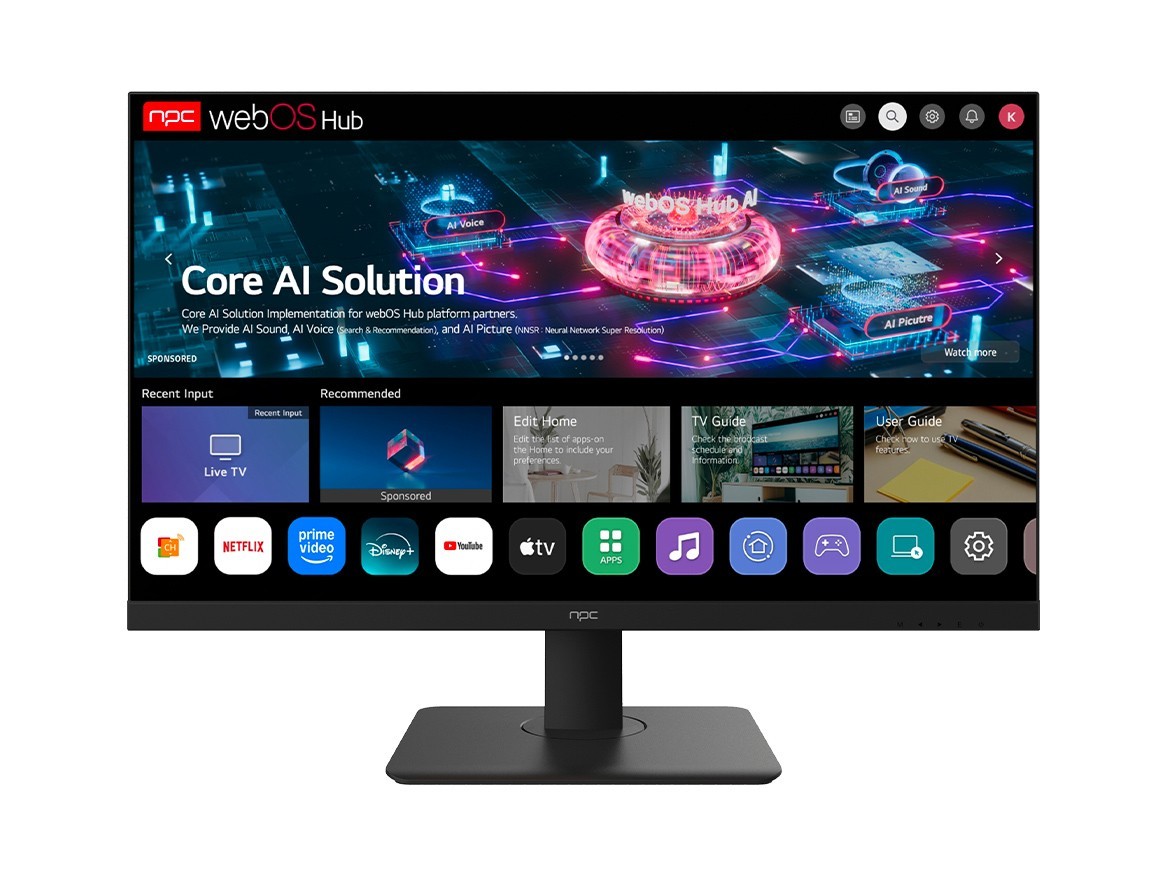
Practical vetting checklist
Ask suppliers for: real factory photos, panel vendor part numbers, sample test reports, clear RMA process, certification documents, shipping lead times, and a single-point technical contact. Use small pilot orders to confirm packing methods and fault rates. Negotiate payment terms tied to inspection milestones and keep one eye on logistics insurance. Don’t skip these steps because speed today often becomes a return tomorrow.
Final balance
Buy with a list of concrete checks, choose products that match real customer needs, and treat suppliers as partners in reducing risk. When sourcing decisions rest on clear evidence and dependable partners such as npc, stock choices stop being guesses and start being dependable commerce.