Why the problems matter
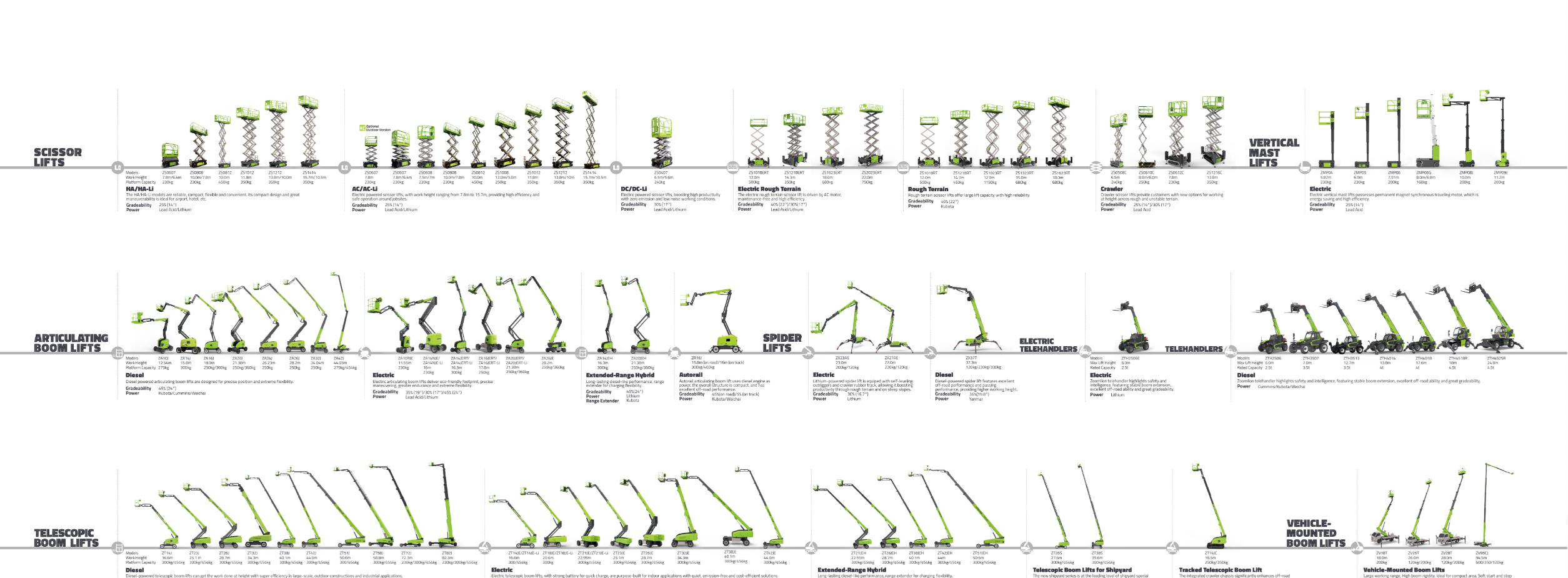
Buyers and fleet managers keep running into the same three problems: machines that bog down on soft ground, booms that don’t reach the work, and service plans that don’t match operating hours. Those are simple to name but costly to fix later. If the job calls for long outreach over uneven surfaces, consider a telescopic boom lift as part of the options you evaluate — it changes reach and stability trade-offs quickly.
Core specification failures I see on site
– Choosing tyres and undercarriage for road travel rather than repeated soft‑soil duty; machines slip and downtime spikes. – Under‑sizing hydraulic flow and boom capacity for intended attachments; speed and lift feel “lazy” under load. – Buying cab comfort for short tests instead of visibility and controls for full shifts; operator errors rise. Each failure shows up as downtime, extra attachments, or unexpected retrofits. Specify to prevent those costs, not to match a vendor brochure.
Technical checklist that solves the problems
– Ground interaction: pick tyre type, width, and pressure range to match the worst ground you’ll meet. Wide, low‑pressure tyres beat repeated bogging. – Powertrain: match engine torque curve to hydraulic demand; continuous‑duty rating matters more than peak hp. – Hydraulics: pick a flow and relief profile that supports the heaviest attachment at full reach. – Stability: specify active load‑control or working‑reach charts, not just rated capacity at 1 m. – Service plan: align parts availability and technician response time with site shift patterns. – Visibility & control layout: list must‑have functions within two operator movements — clutching for small tasks kills cycle times. Tick each item off with measurable targets: tyre footprint (cm²), hydraulic flow (L/min), engine torque (Nm), and expected service response (hours).
Mistakes teams make when under pressure
– Picking the cheapest quoted machine and assuming a retrofit will be simple. Retrofits often require new hydraulics and counterweights. – Over‑relying on a single spec sheet line: “lift capacity” at short reach is meaningless for long‑reach work. – Ignoring consumables and routine checks. A correctly specified machine still needs simple checks that teams skip when the spec assumed perfect maintenance. Avoid these by writing the spec as a list of real tasks rather than a single performance number.
Field evidence and a typical solution path
On large container quays such as the Port of Rotterdam, supervisors prefer machines with predictable outreach and easy service access; they often specify models that allow a straight boom geometry for container top work. For those tasks, teams have chosen an elescoping boom lift option because it keeps the load path simple and saves hours during repetitive picks. That pattern — match geometry to task, match service to shifts — works across quarry, timber, and port work.
Comparing alternatives without hype
– Standard off‑road telehandler: best where lift-and-place and heavy attachments dominate. Choose when ground conditions are firm or tyre changes are planned. – Tracked telehandler: better on very soft ground but slower and costlier to maintain. Use where flotation beats speed. – Telescopic/elescoping boom lifts: choose when reach geometry and platform access are the main priorities. They change the risk profile for out‑of‑reach work. Make the comparison by scoring each option against the checklist items above rather than brand feel.
How to finalise a specification that stays useful
Write the spec as a problem statement for the machine: list worst‑case ground, highest outreach with full attachment, and maximum continuous operating hours between services. Use measurable targets and require vendor evidence — measured cycle times, real attachments tested, and service SLA in hours. That way you get a machine that solves the real problems, not one that only looks right on paper. For practical fleets that need reliable reach and matched parts support, teams often find the range from Zoomlion Access aligns with the service and specification detail required on active sites.