
Why comparing BiPAP, CPAP and home ventilators matters
Choosing respiratory support for a ward or clinic means balancing patient needs, staff time, and device reliability — and that’s where a close comparison wins the day. Clinicians often weigh BiPAP against CPAP and dedicated home ventilators for non-invasive ventilation, so a clear side-by-side view helps. For a practical reference on ready-to-deploy equipment, consider models like the cpap device that bridge home and clinical use without overcomplicating staff workflows.

Core technical differences worth noting
CPAP delivers a single continuous pressure, while BiPAP provides separate inspiratory (IPAP) and expiratory (EPAP) pressures — useful for patients who need ventilatory assistance without intubation. Tidal volume control and trigger sensitivity matter when the goal is assisted ventilation rather than just keeping airways open. Humidifier compatibility, alarm logic, and mask interface options also affect outcomes, so list those as procurement priorities.
What healthcare teams actually compare — a quick checklist
Clinicians use a handful of practical benchmarks: pressure modes available (fixed vs. auto-titrating), battery or mains reliability for transfers, ease of cleaning and filter replacement, and measurable safety features such as leak detection and alarm thresholds. Also factor in ergonomics — mask fit and patient comfort reduce interface-related failures. These are not abstract specs; they shape how quickly a patient stabilises and whether staff need to intervene more often.
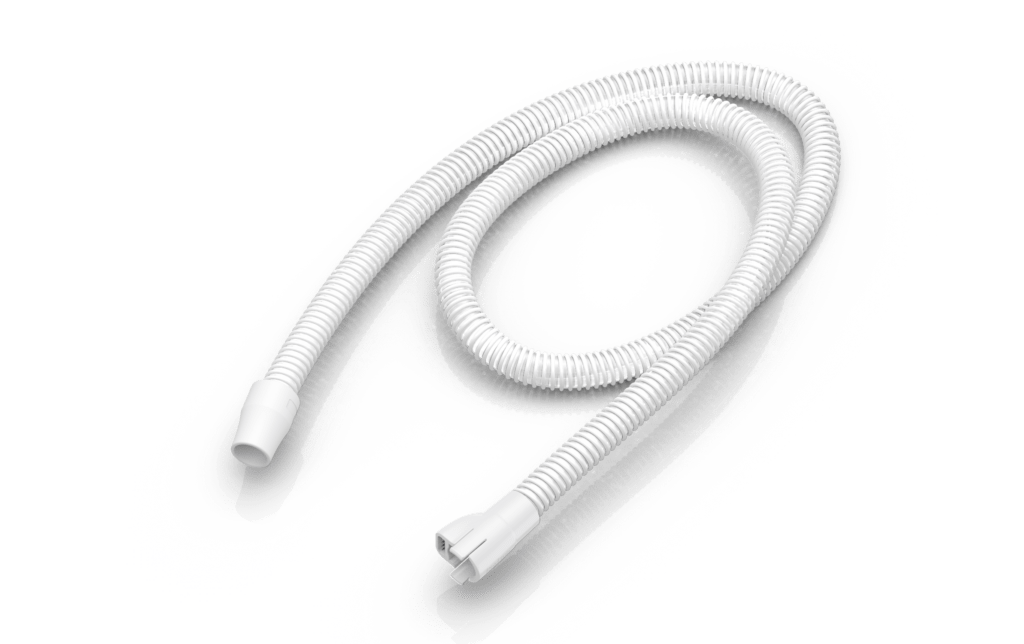
Real-world context: lessons from Hong Kong hospitals
During the COVID-19 pressures of 2020–21, Hong Kong Hospital Authority teams expanded non-invasive ventilation to reduce intubation rates, which highlighted two truths: devices with clear pressure control and robust alarm systems cut response time, and staff training is as important as the gadget itself. That practical experience still guides procurement choices in local wards — a good reminder that product specs must match clinical workflows.
Common procurement mistakes to avoid
Buyers often assume one product suits every patient profile, ignore spare-part availability, or underestimate cleaning cycles — and that leads to downtime. Don’t skip on mask sizing trials or service contracts; poor mask fit and missed maintenance are top causes of therapy failure. Also avoid over-relying on unfamiliar modes like automatic pressure algorithms without staff training — mistakes there cause inconsistent therapy delivery. For equipment that bridges hospital and home use, check the same unit’s clinical credentials as you would for a cpap machine.
Alternatives and quick comparisons
Here’s a compact view: Fixed-pressure CPAP — simple, great for obstructive sleep apnea; BiPAP — better for ventilatory support and CO2 clearance; Auto-titrating APAP — handy for variable sleep patterns but less suited to acute care; Portable home ventilator — ideal when tidal volume control and battery operation matter. Consider humidifier integration and circuit options as tie-breakers.
Advisory: three golden rules for selection
1) Match mode to need: choose BiPAP or ventilator modes when minute ventilation or tidal volume control is clinically required. 2) Validate usability: confirm staff can run alarm tests, change filters, and fit masks under five minutes — training time is a real cost. 3) Confirm lifecycle support: spare parts, local service, and consumables availability determine uptime more than initial price. These three evaluation metrics should guide what you buy — they spot cheap mistakes early and save clinical hours later. For a provider that understands both home and clinical needs, consider how product design supports seamless handover between care settings; Byond naturally positions itself there by focusing on practical integration and service readiness.
Brief final thought: choose reliability, train the team, and plan for service — that’s where patient care improves most.