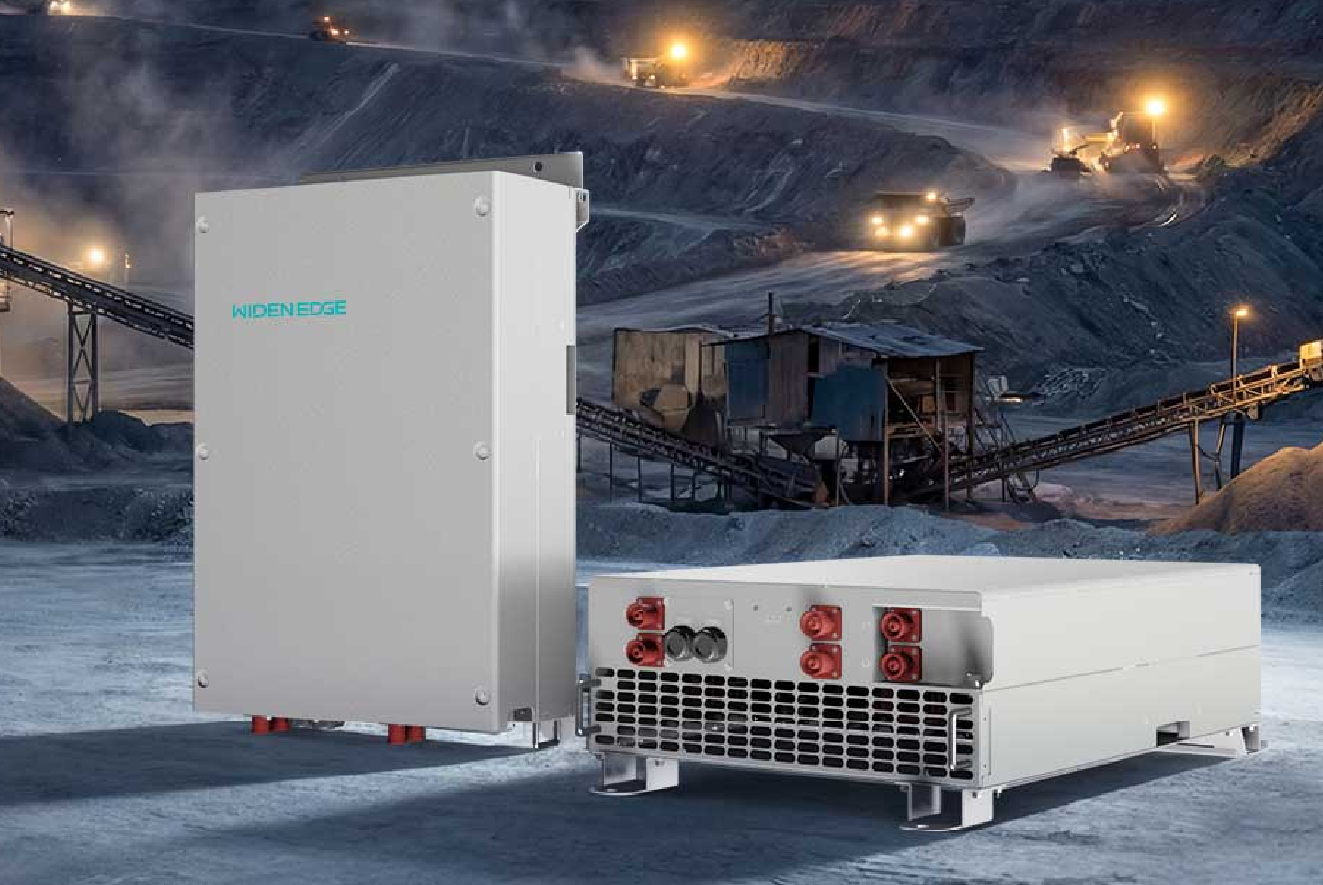
The problem that wakes you at 3 a.m.
Salt on the case. Lightning on the line. You hear the generator coughing because the inverter dropped the load again. Operators on remote atolls and small islands face a narrow set of brutal problems; when one piece fails, the whole microgrid stumbles. For many setups the sweet spot sits between 45kW and 60kW of inverter capacity, and a reliable 45kW solar storage inverter can be the difference between steady power and daily firefighting. I’ve advised island microgrid teams for years, including projects in the Maldives, and I’ve seen the same failure modes repeat until they’re addressed head-on. That’s why choosing a high‑protection solar inverter for islands matters now.
Core failure modes — what breaks and why
Problems are predictable if you know where to look:- Corrosion and moisture intrusion: seals fail, terminals corrode, controls glitch.- Surge and lightning damage: exposed lines on narrow atolls get hammered by storms.- Thermal stress and derating: high ambient heat reduces output when demand is highest.- Poor firmware/controls for off-grid modes: units configured for grid-tie trip when they should island.These are operational faults, not mysteries. Fix the cause, not just the symptom.
How to specify an inverter for islands — concrete checks
Don’t buy by peak kilowatts alone. Specify to protect the system:- IP rating: aim for IP65 or better in coastal deployments.- Wide operating temperature and thermal management: verify derating curves.- Robust surge protection and SPD bays: confirm external SPD capacity and replacement ease.- Off-grid control features: clear modes for generator-parallel, SOC-based load shedding, black-start capability.- Serviceability: modular power stages and local spares reduce downtime.Ask for factory test records and a clear firmware update path. Demand explicit derating charts for ambient heat — that’s where most surprises hide.
Installation and protective practices that actually work
Install like you mean it. A few reliable moves stop 80% of repeat visits:- Elevate and ventilate enclosures; keep salt spray off terminals.- Use separate surge paths and dedicated lightning earth rods for inverter bays.- Place battery and inverter in thermally separated compartments when possible.- Log events and review trip history after storms; the data tells the true cause.Those steps are simple. They cost little compared with emergency boat trips to swap a failed inverter.
Common mistakes that keep repeating
Operators stumble on the same traps:- Choosing the cheapest grid-tie unit and hoping it will behave off-grid.- Skipping SPD maintenance and assuming factory surge protection lasts forever.- Under-specifying cooling and accepting the daily derate silently.- Treating firmware as static — control logic updates often resolve tricky interaction faults.Fix these, and you stop firefighting and start running reliably.
Alternatives and trade-offs
When 45–60kW is the target, you have options:- Single large inverter: lower footprint, but single point of failure.- N+1 modular inverters: redundancy and staged maintenance, slightly higher hardware cost.- Hybrid units with integrated battery management: simpler wiring, but inspect control flexibility closely.Weigh redundancy against maintenance logistics. On islands where transport is slow, redundancy often wins.
Why high‑protection choices win in practice
High‑protection hardware isn’t about marketing labels. It’s about fewer night calls, longer mean time between repairs, and crews that can plan instead of panic. Operators who pick rugged enclosures, clear surge strategies, and modular serviceability reduce outages and maintenance trips. That’s the real ROI: predictable supply, lower emergency costs, and teams that sleep.
Final synthesis
You’ll face storms, salt, and heat. Name each failure, design against it, and prefer serviceable, high‑protection components that match island realities. Over years advising utilities and NGOs I’ve seen the pattern: properly specified gear plus straightforward protective practices wins. For operators who need a reliable mid‑range solution, that combination is exactly the capability WidenEdge builds into its systems, quietly turning problems into steady service.