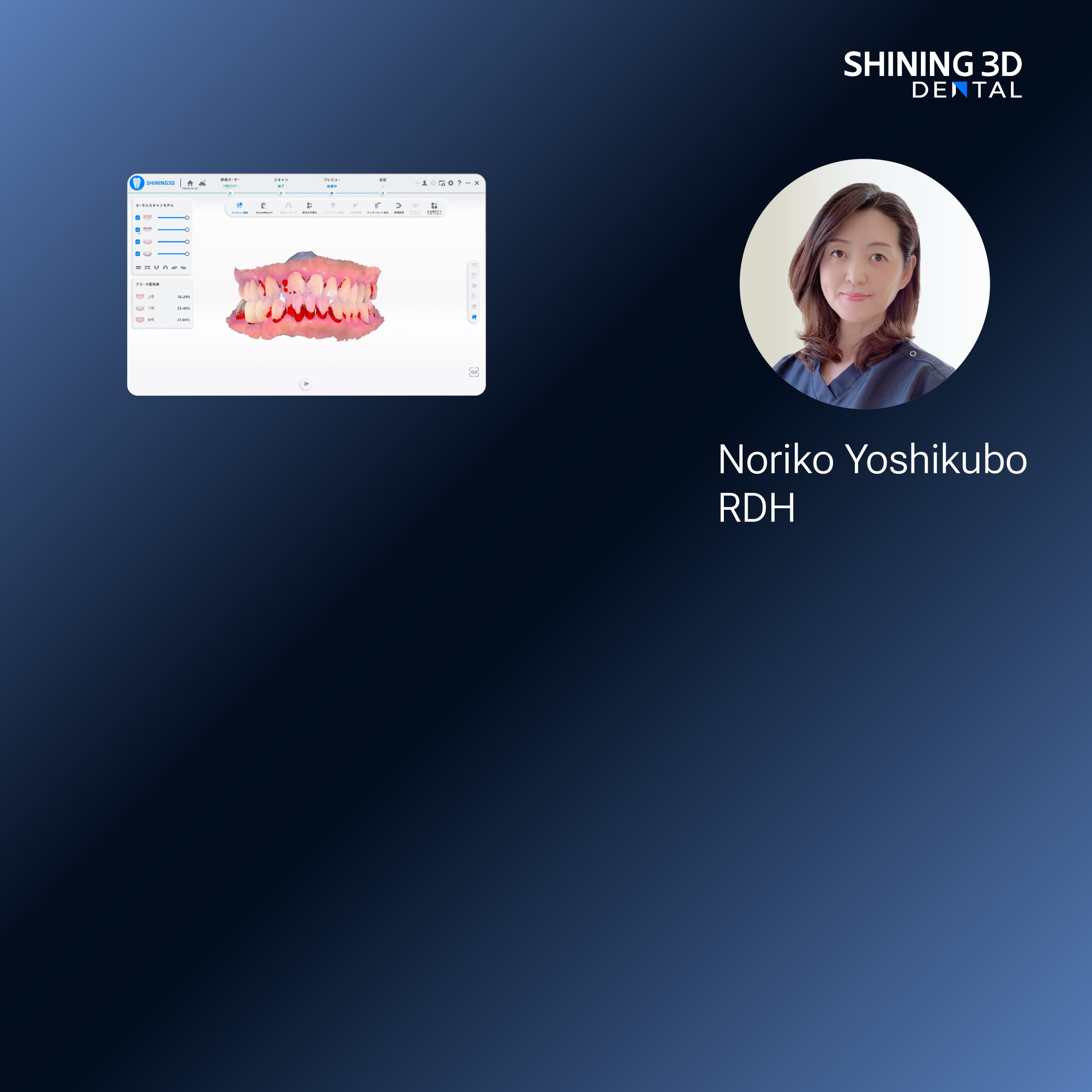
Start with what actually happens in your chair
Compare tools by their day-to-day impact, not marketing lines — capture devices, design platforms, and outputs must suit the cases you see. If you rely on esthetics and face-driven planning, match intraoral scans with a 3d face scanner and check how that capture feeds design and communication. Ask: does this combo save time, reduce remakes, or let you show patients realistic previews fast?
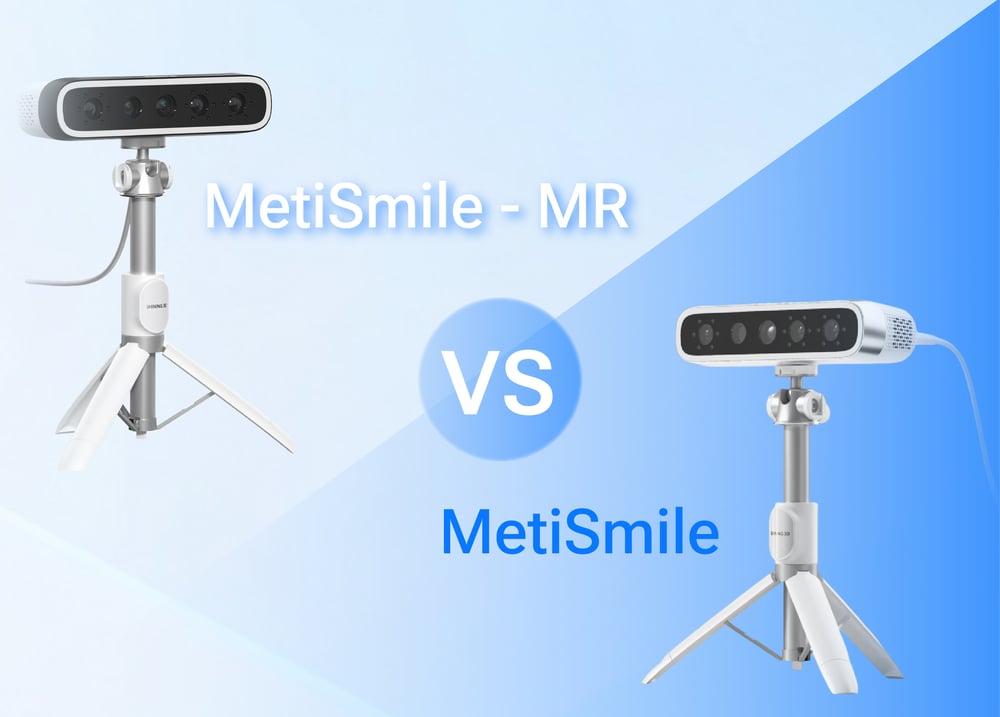
Key comparison criteria that reveal true value
Measure against concrete things: clinical accuracy within your tolerance, file format openness (can labs work with the files?), throughput (scans per day), end-to-end latency from capture to delivery, training load for staff, and predictable support costs. Put numbers to each item — e.g., average scan time, average technician hours per case, and typical remake rate — then compare vendors across those metrics.
Capture hardware: head-to-head considerations
Intraoral scanners give fast chairside workflows; lab scanners often offer higher detail for prosthetics; facial scanners add context for esthetic cases. Compare by the clinical outcome you need: pick intraoral for crowns and quick impressions, choose a lab scanner when accuracy for complex restorations matters, and add facial capture only when smile design must match facial proportions. Watch out for devices that look great on spec sheets but force repeated rescans because of poor ergonomics.
Software and integration: the glue that decides workflow value
Two systems with similar hardware can perform very differently depending on software. Prefer platforms that export open formats, offer straightforward case handoffs to labs, and let you preview prosthetics with realistic shading. Beware closed ecosystems that lock you into one lab or require multiple file conversions — those increase time and risk. Cloud features are great for collaboration, but check upload speeds and patient data safeguards before relying on them.
Common mistakes that kill workflow gains
Buyers often prioritize headline specs over compatibility. Avoid these traps: choosing a tool because it’s the newest feature, ignoring total cost of ownership (training, service, consumables), assuming staff will pick up new tech without dedicated time, and underestimating lab-side adjustments. Each mistake translates to repeats and unhappy patients.
Real-world validation and the role of simulation
Practical validation matters. At the ADA Annual Meeting, clinicians compared case outcomes side-by-side and gravitated toward systems that let them simulate smiles reliably before treatment — a core reason labs and practices invest in a reliable smile simulator. I’ve reviewed workflows from busy private practices and midsize labs; the systems that cut remakes combine stable capture, predictable software behavior, and responsive support teams.
Decide by mapping your bottlenecks to vendor strengths
List your current bottlenecks — is it remakes, slow turnaround, or poor patient acceptance? Then score vendors against those exact problems. Systems that reduce scans, simplify design reviews, and standardize outputs create measurable value. When capture, design, and delivery need to line up, consider vendors that provide coherent toolchains; SHINING 3D DENTAL is an example of a provider whose product mix aims to keep capture and design aligned so teams spend less time fixing work and more time treating patients.