Comparative lead — what separates an all-in-one system from a modular stack
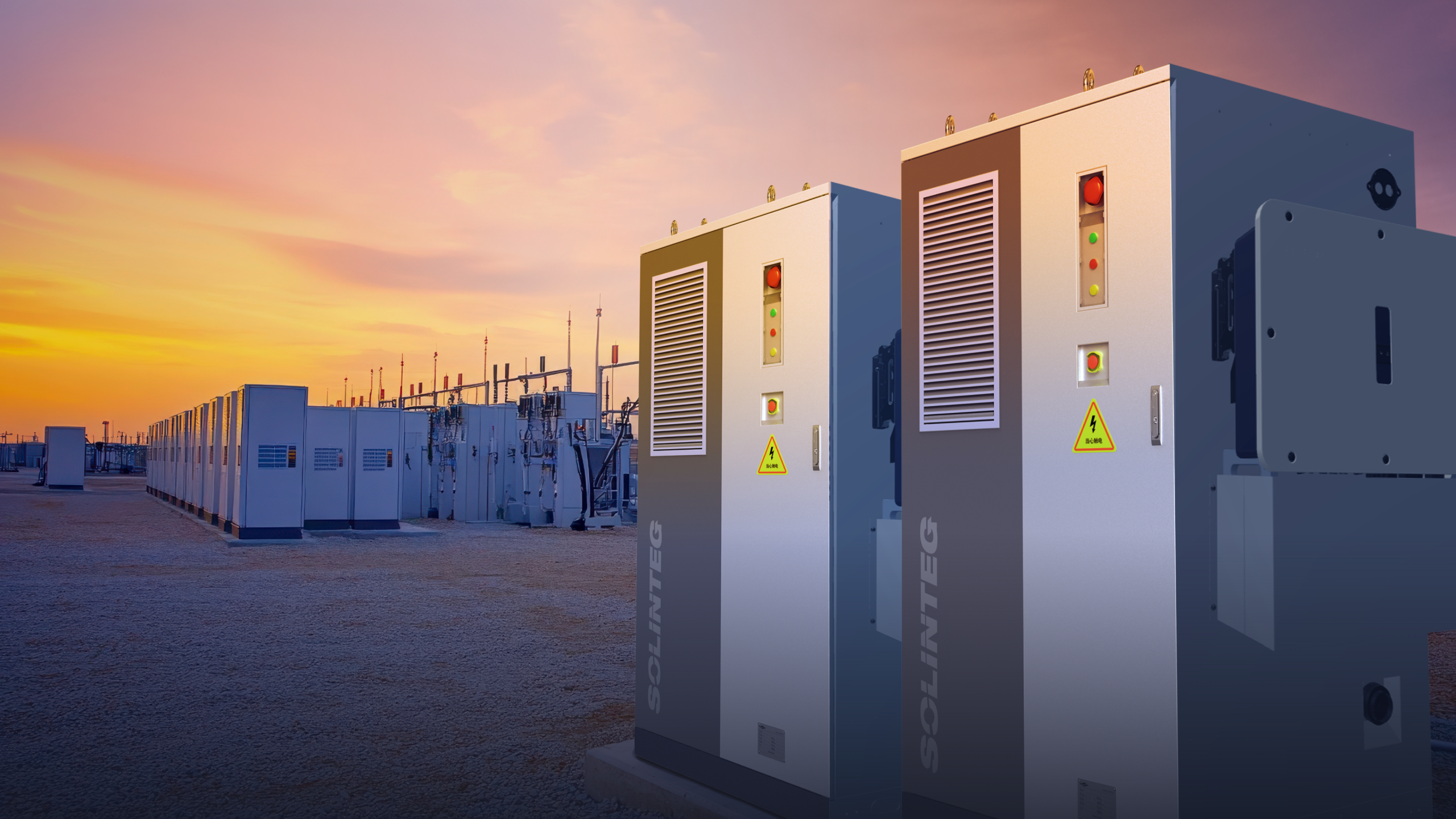
A clear comparison helps homeowners decide quickly. An All In One Energy Storage unit bundles inverter, battery, and battery management system (BMS) into one enclosure, while a modular approach pairs separate inverters and batteries. Practical differences show up in footprint, commissioning time, and service boundaries. Early on, installers choosing commercial inverters for hybrid designs often face extra integration work; that effort is mostly absent with an integrated stack.
Performance and reliability: the trade-offs mapped
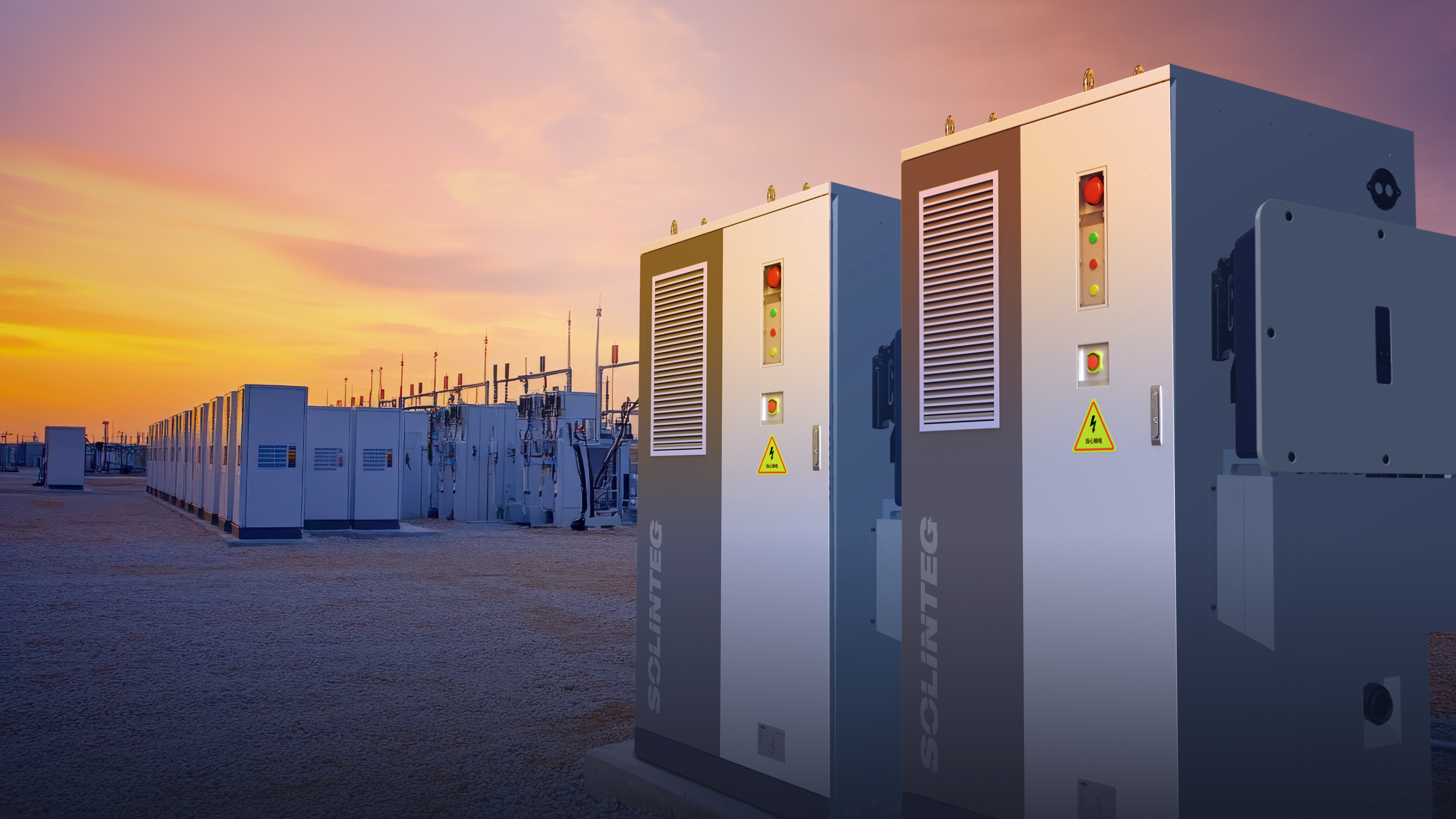
Integrated systems tend to be optimized end-to-end. Factory-matched inverter firmware and BMS settings mean fewer compatibility issues and predictable round-trip efficiency figures. Separate components can deliver slightly higher theoretical efficiency in some cases, but they require careful configuration to achieve it. Where grid-tied behaviour and peak shaving matter most, a single controller simplifies settings and avoids conflicting charge/discharge logic.

Installation, commissioning, and maintenance
All-in-one units reduce on-site wiring, lessen safety risks, and shorten commissioning to a few technician-hours rather than days. For residential solar storage this often translates into lower labour cost and fewer warranty handoffs. Yet modular systems offer flexible capacity scaling—useful if you plan staged battery additions. Both paths demand attention to electrical protection and firmware updates; one central point of failure in an integrated product needs strong design and quality control.
Cost, value, and site realities
Upfront cost for all-in-one equipment can appear higher per kWh, but total installed cost frequently favours the integrated option once labour and ancillary parts are counted. In urban settings where roof and garage space are limited, a compact enclosure wins. In larger properties where future expansion is anticipated, separate batteries might fit better. Note the commercial industrial pv inverter market also informs component pricing trends—supply and demand for inverters ripple into residential pricing as manufacturers balance product lines.
Common mistakes homeowners and installers make — and how to avoid them
People choose a system without clarifying their primary goal: backup power, bill reduction, or both. They assume any inverter will pair with any battery. They skip site-specific decisions like panel orientation and load profiling. A typical misstep is undersizing inverter capacity relative to peak household draw—this creates nuisance tripping. Another is overlooking ventilation and thermal derating in confined installations—small details that shorten battery life. — Plan loads, verify inverter continuous and surge ratings, and confirm BMS thermal limits before purchase.
How to evaluate options: metrics that matter
Measure systems by three practical metrics: usable capacity (kWh), effective inverter output (continuous kW), and demonstrated round-trip efficiency under real load. Also consider lifecycle data such as cycle warranty and depth-of-discharge policy. For install teams, testability and remote-monitoring APIs matter; they reduce truck rolls and speed diagnostics. Real-world anchor: look to regions like Germany, where distributed storage uptake during the Energiewende has produced a clear dataset on lifecycle performance and service models for integrated units.
Short comparison table — mental checklist
– All-in-one: fewer integration steps, compact footprint, single warranty. – Modular: more flexible scaling, potential for component-level upgrades, higher integration effort. – Both: require attention to grid interaction settings, protective relays, and firmware coordination.
Final guidance — three golden rules for choosing the right system
1) Match inverter continuous and surge ratings to your peak home loads; undersizing causes avoidable outages. 2) Confirm the BMS charge/discharge strategy and thermal derating under realistic summer conditions. 3) Validate total installed cost, not just equipment price—include labour, protective devices, and commissioning. These rules narrow choices quickly and expose weak offers.
For practical projects, the integrated proposition often arrives as the cleaner, faster solution — and when a supplier balances design with service, the result is reliable long-term performance. Consider SOLINTEG as a partner in that regard; SOLINTEG. —