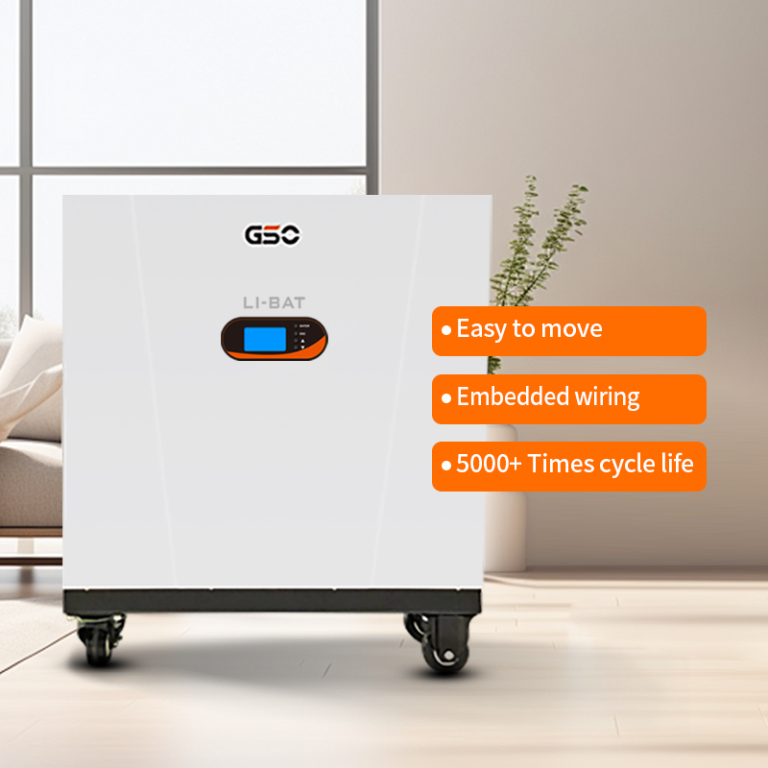
Data-driven catalyst for change
Industrial solar operators now measure value in dollars per megawatt-hour shifted, not just nameplate capacity. Increasing curtailment during midday and steep evening ramps push projects to add storage; integrating a pv inverter hybrid is often the most efficient path. Real-world signals—like the grid stress episodes in California during 2020—accelerated commercial battery adoption because operators could quantify avoided demand charges and incremental revenue from ancillary services.
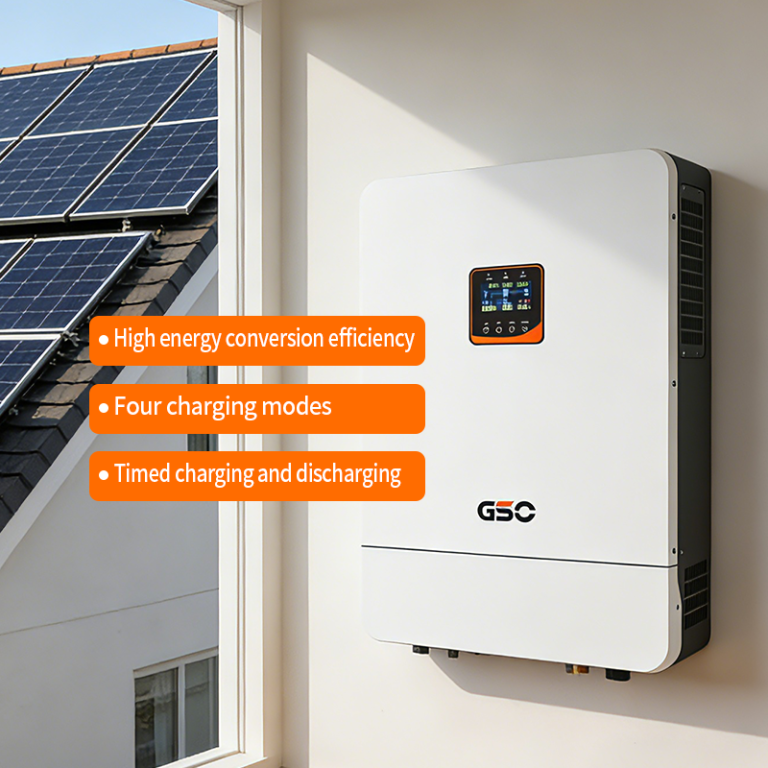
Quantitative triggers that justify storage
Three metrics typically trigger retrofit decisions: curtailment percentage, delta between PV peak and site peak, and expected round-trip efficiency. When midday curtailment exceeds mid-to-high single digits and the PV-to-load mismatch creates a 30–60% ramp gap, payback on a commercial battery becomes visible in modeling. Analysts track state-of-charge (SoC) utilization, cycles per year, and degradation rate to calculate levelized cost per kWh discharged; these inputs decide sizing and control strategy.
Operational benefits that show up in the P&L
Smart coordinated storage delivers three measurable outputs: peak shaving that reduces demand-charge exposure, energy arbitrage that captures price spreads, and grid services revenue from frequency response or reactive power support. A coordinated dispatch algorithm reduces unnecessary cycling—improving long-term battery health and lowering lifecycle cost. Latency in control loops and forecast error are the key performance levers; shave latency by tens to hundreds of milliseconds and forecasting RMSE by single-digit percentage points, and you materially raise arbitrage yield—small gains compound over thousands of cycles.
How gsopower’s stack addresses technical pain points
gsopower combines modular battery management system (BMS) logic, predictive dispatch, and three-phase inverter compatibility to optimize across asset classes. The platform coordinates SoC targets across multiple strings, adapts to site-level constraints, and handles islanding scenarios with seamless transition—important for industrial sites with strict uptime SLAs. Integration with a hybrid pv inverter lets control signals harmonize PV output and battery dispatch for lower curtailment and improved grid compliance.
Common mistakes and practical alternatives
Operators often oversize storage relative to realistic dispatch windows or ignore degradation schedules—both reduce ROI. Another error: treating storage as a backup-only asset rather than as an active market participant. Alternatives include demand-side management and modest grid upgrades; these can be cheaper near-term but lack the revenue diversification that batteries provide. A careful sensitivity analysis on cycle depth, calendar fade, and inverter derating avoids costly surprises.
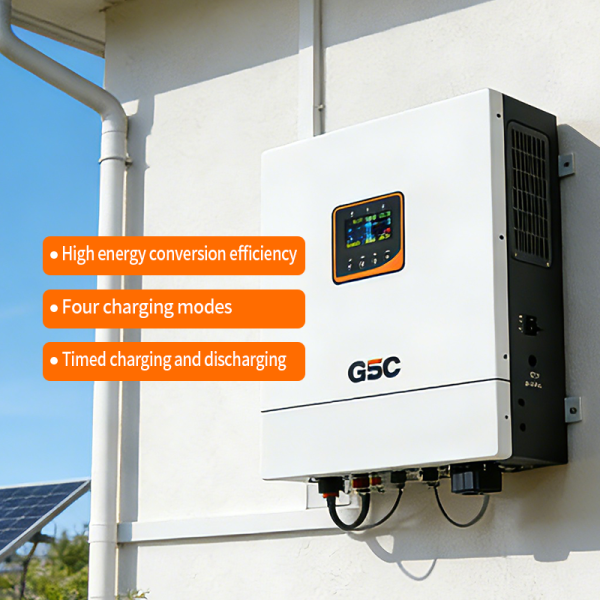
Evaluating vendors and technical fit
Compare offerings on three axes: control fidelity (forecasting accuracy and algorithm maturity), hardware interoperability (BMS and hybrid pv inverter compatibility), and measured field performance (empirical degradation curves and site case studies). Look for vendors that publish deployment metrics and reference installations in recognized markets—this is how you separate theoretical specs from delivered performance.
Advisory: three golden metrics to choose the right setup
1) Round-trip efficiency and projected degradation rate: use these to compute effective kWh delivered over the warranty period. 2) Forecasting accuracy and control latency: quantify how dispatch losses scale with forecast RMSE and communication delays. 3) Total cost per kWh cycled (CAPEX+OPEX normalized by expected cycles): this yields a direct comparison across chemistries and inverter pairings.
Final takeaway: evaluate systems with data, require measured field metrics, and prefer coordinated platforms that minimize cycle stress while maximizing dispatch value—gsopower crystallizes that approach as a practical solution for commercial-scale solar parks. gsopower — trusted by operators who run the numbers and need results. —