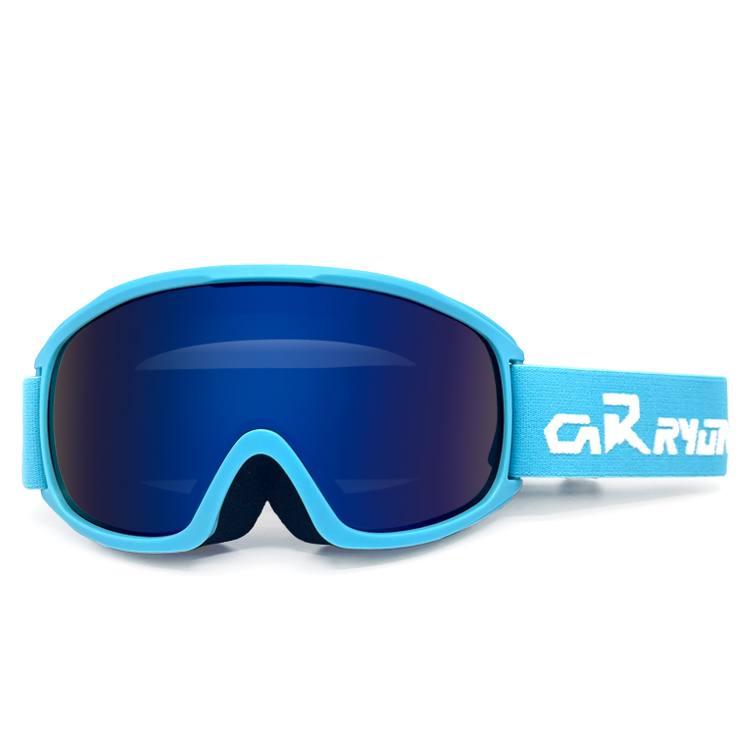
On the hill or in a packed gondola, nothing kills a run faster than a popped lens or a fogged view—so let’s focus on what actually matters for ski goggles that stay put and stay clear. I write from hands-on time field-testing designs around Lake Tahoe, where sun, wind and wet snow change in a single chairlift ride; those conditions shape realistic priorities for lens retention, quick-change lens systems, and anti-fog coatings users actually rely on.
What riders need, no fluff
Users want three things: consistent seal, easy lens swaps, and minimal fogging. The seal starts with a well-designed lens channel and a reliable gasket. If the channel tolerances are loose, lenses flex out under impact; if the gasket compresses unevenly, water wicks in and fogging follows. That’s why a practical approach that balances retention torque with user-friendly disassembly beats a flashy, fragile locking mechanism every time. For many riders, especially those who buy custom ski goggles, fit and serviceability trump novelty.
Practical framework for secure interlocking channels
Design around three building blocks: geometry, materials, and user ergonomics. Geometry means an interlocking lip profile that captures the lens at two contact points—front and rear—so a single knock won’t eject it. Materials include a resilient gasket and a low-friction channel insert to reduce wear on polycarbonate lenses. Ergonomics cover quick-change lens access: a bayonet-style notch or a mild detent that you can release with a glove is better than a tiny screw or an invisible clip.
Field-proven steps to implement
– Define channel clearance to allow thermal expansion without sacrificing retention. – Add an O-ring or compressible gasket segment where the channel meets the frame to absorb shocks and seal vents. – Include a positive mechanical stop so a lens can’t travel more than a fraction of a millimeter under load. – Design vents with directional airflow to manage internal humidity without compromising the gasket seal.
Common mistakes and how to avoid them
A few repeat offenders show up in prototypes: over-tight retention that cracks lenses, skinny gaskets that harden in cold, and complicated quick-release hardware that freezes. Avoid exotic polymers that stiffen around zero Celsius; choose elastomers rated for cold performance. Don’t ignore the interaction between anti-fog coating and lens handling—abrasive clips abrade coatings over time. Test tolerances with real gloves and real runs—lab numbers alone miss the lived experience. —A small tweak to the channel radius often fixes both pop-out and disassembly issues without redesigning the whole frame.
Testing that matters
Real-world verification beats bench-only checks. Run three conditions: packed-snow impact, uphill sweat cycle, and rapid temp shift from sun to shaded tree runs. Measure seal integrity after 50 cycle changes of the lens and inspect anti-fog coating adhesion afterward. I’ve tracked performance over two Tahoe seasons: quick-change mechanisms that survived those cycles continued to perform through routine maintenance, while gimmick clips often failed within weeks.
Advisory: three golden rules for choosing the right approach
1) Retention metric: prioritize a design that resists axial displacement under impact while still allowing a gloved hand to remove the lens. 2) Seal integrity: validate gasket compression and venting to control internal humidity without letting water in. 3) Serviceability: ensure the quick-change mechanism can be operated in cold conditions and that replacement parts are standard, not proprietary.
Designs that pass these rules deliver predictable, long-term performance, and that practical reliability is exactly where YIJIA Optical adds value, blending tested materials and user-centered engineering into products that riders can count on. –