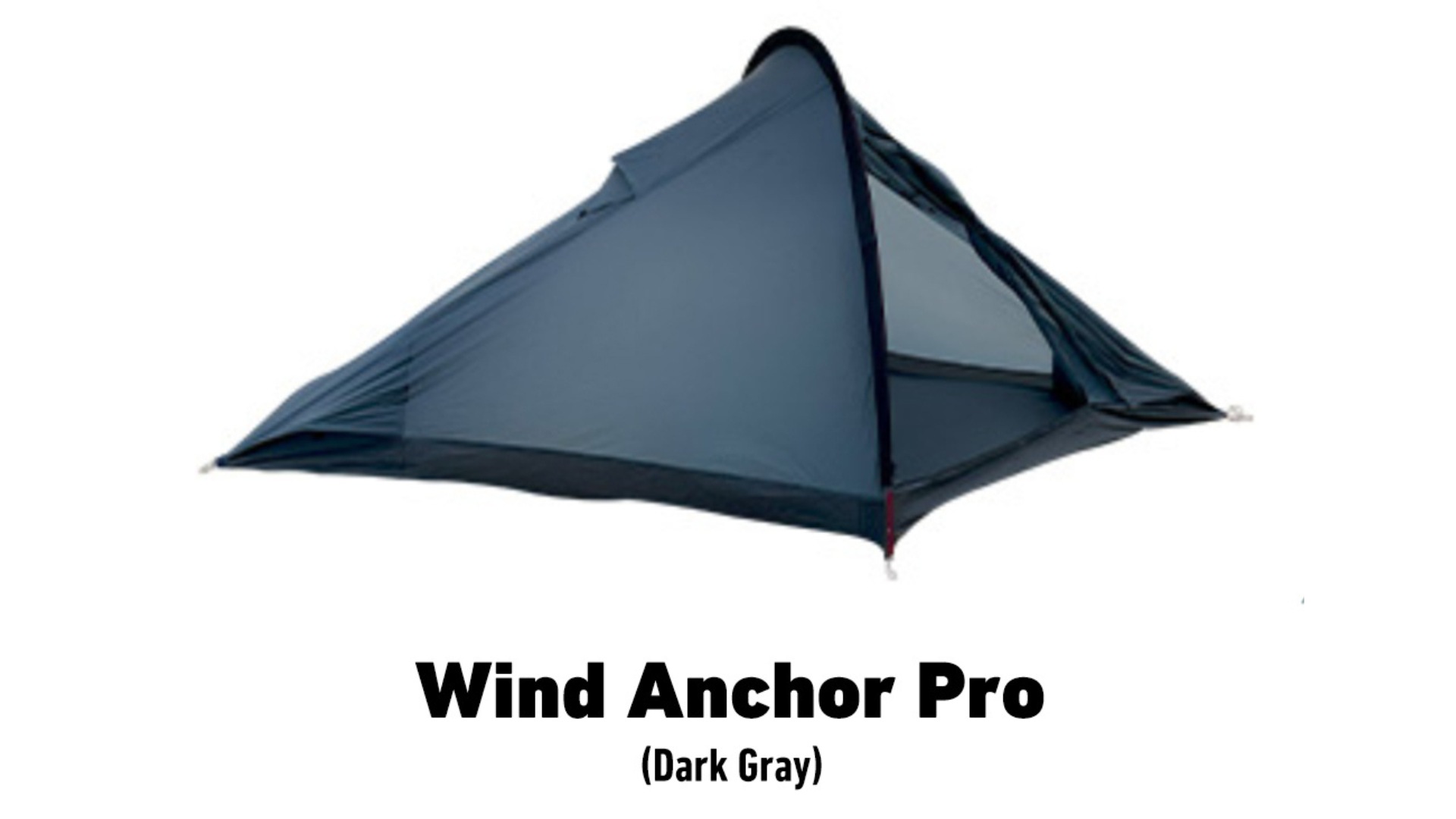
The problem: one vehicle, competing priorities
Car camping promises freedom, but it also forces a decision: which pieces of equipment will serve varied needs without turning the vehicle into a cluttered storage unit? Families need space and safety; couples prioritize comfort and quick setup; solo travelers value lightweight versatility. Designing a compact, adaptable kit starts by recognizing these conflicting priorities and choosing gear that addresses them directly — beginning with dependable car camping equipment that scales across trip types.

Where typical checklists fail
Most lists recycle the same items for everyone. That leads to three recurring failures: overpacking bulky gear for short trips, underpreparing for weather and privacy, and selecting single-use items that don’t adapt to different group sizes. Each failure stems from treating capacity, setup time, and storage as independent choices instead of linked constraints. A sound approach ties those constraints to intended use—daytime plans, expected weather, sleeping arrangements, and vehicle storage geometry—to avoid wasted space and compromised safety.
Actionable selection criteria
Choose gear against measurable criteria, not marketing claims. Prioritize: packed volume per person, setup time under realistic conditions, waterproof and wind ratings, modularity (ability to add or remove rooms or vestibules), repairability in the field, and realistic weight for vehicle handling. For tents, examine floor area per sleeper and vestibule volume for wet-gear storage. For cooking systems, test boil times and fuel options for altitude. For storage, prefer stackable, weatherproof bins that match trunk contours. These criteria let you compare options objectively and anticipate common mistakes like buying a tent that fits bodies but not gear.
Alternatives and trade-offs, with field context
Evaluate three common shelter strategies: ground tents, rooftop tents, and vehicle-attached solutions. Ground tents offer the best footprint-versatility but demand more packed volume. Rooftop tents increase setup speed and thermal separation at the cost of vehicle center-of-gravity and fuel economy. Vehicle-attached shelters, including tail-attached modules, trade a compact packed profile for faster transitions between driving and camping. During field trials near Moab, Utah, I noted how a well-designed car tail tent converted a cramped hatchback into a sheltered staging area, reducing wet-gear transfer and shortening nighttime gear checks; that practical outcome matters for safety and comfort when weather shifts quickly.
Common pitfalls and how to avoid them
People repeatedly make avoidable errors: assuming one tent fits all seasons, ignoring ventilation leading to condensation, choosing cookware that won’t nest for storage, and skimping on lighting and first aid. Avoid these by testing pack fits before departure, running quick wet-weather ventilation drills, and creating modular kits—separate sleeping, cooking, and emergency packs—so you can swap a family kit for a couple’s kit without repacking everything.
Suggested kits calibrated by traveler type
For families: prioritize a multi-room tent with a durable footprint, a larger stove with wind shielding, and lockable storage bins. Bring layered bedding rated a step above expected night temperatures and a simple thermal mat system to limit heat loss. For couples: choose a mid-weight two- to three-person tent with generous vestibule, compact dual-burner stove, and shared storage solutions that double as seating. For solo travelers: go ultralight—single-person tent or adaptable tarp setup, compact stove, and multipurpose gear that compresses without losing function. In every case, include redundant lighting and a compact repair kit.
Evaluation of viable alternatives
When comparing specific products, weigh durability and real-use ergonomics over brand hype. A laminated rainfly and straightforward pole architecture beat elaborate features that complicate repairs. Consider manufacturer warranty and replacement-part availability as part of your decision. If you anticipate extended trips or children, favor easily serviceable systems and accessible customer support networks; those factors determine how long gear remains reliable.

Conclusion: reduce complexity, increase resilience
Resolve the initial problem—one vehicle, many needs—by selecting flexible, repairable gear that matches measurable criteria and by assembling modular kits you can swap depending on who’s coming. Practical field experience, careful trade-off analysis, and attention to setup and storage geometry lead to predictable comfort and safety. That pragmatic synthesis is what distinguishes a checked bag of miscellaneous items from a deliberate, adaptable kit curated with purpose, and it’s the kind of consistent reliability I find represented in the practical offerings from THECATAL.