Start with the real problem
Look, the main headache is simple: you get a lab result that looks fine on paper but the batch cakes, or the powder behaves differently in your line. Folks often chase price and ignore how the powder performs in real process conditions. If you’re handling anti-caking or flow-control agents, check how the material is sold and tested as a silicon dioxide food additive — sellers who only quote surface area and a bulk density figure usually leave out the bits that break your production run.
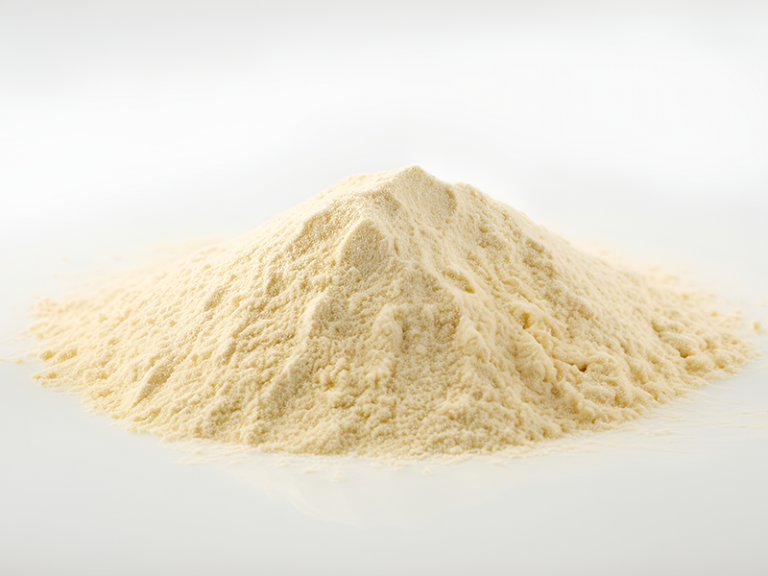
Problem-driven checklist: what to verify first
Ask for real batch tests, not promotional sheets. Confirm particle size distribution, BET surface area, moisture content after storage, and any anti-caking performance data under your humidity and temperature. Demand a recent Certificate of Analysis tied to a lot number. If the supplier won’t share lab files or refuses third-party testing, that’s a red flag — don’t buy on trust alone.
Experience, authority and a real-world check
I’ve seen plants swap suppliers and immediately fix flow problems because the new batch matched their processing conditions. Regulators provide context: the U.S. Food and Drug Administration treats silica’s use in foods as GRAS, which informs how labs test and what limits are normal; for a focused resource, check silicon dioxide as a food additive. Prefer suppliers who publish traceable test data, follow GMP for food, and can explain deviations in plain language — those are the ones worth trial runs.
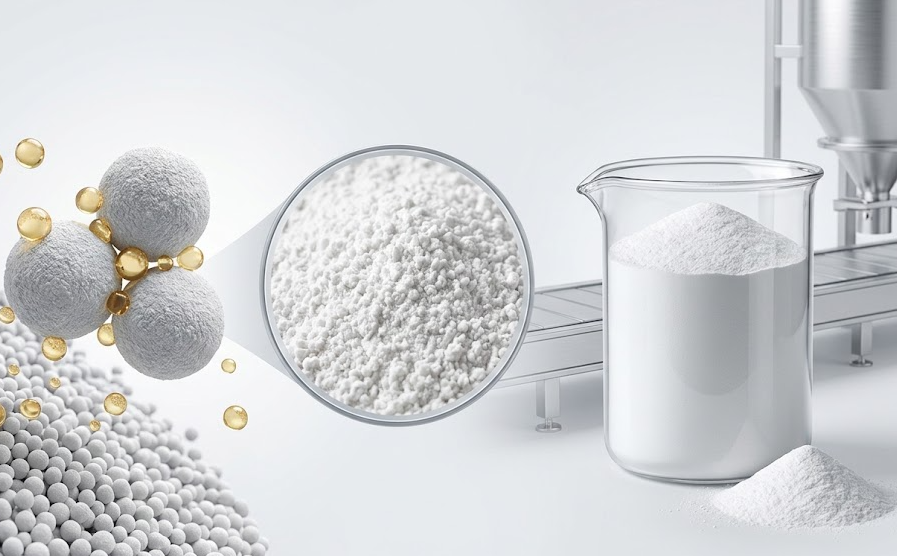
Common mistakes that cause downtime
People skip compatibility checks. You must test the powder with your ingredients, not just in a beaker. Don’t ignore storage conditions — silica can clump if humidity control is lax. Avoid buying by headline specs like “ultra fine” without an agreed test method. And never assume transport is neutral: contamination in transit happens if packaging standards are weak.
Logistics, samples and contracts that protect you
Get trial samples sized to run a meaningful portion of your batch. Specify acceptance criteria in the purchase order: particle range, allowable moisture, and a right-to-reject clause if the delivered lot fails a pre-agreed test. Check minimum order quantities and lead times; a cheap supplier with long, unreliable lead times will cost you more than a steady partner. Confirm how returns, recalls and traceability are handled — ask for lot-level documentation from production to dispatch.
How to judge alternatives quickly
Compare three suppliers on the same short list: one low-cost, one established with full food certifications, and one regional manufacturer you can visit. Run the same process trials and measure performance: flow, dissolution, dispersion, and shelf behaviour. The cheapest option often fails one of those tests. Choose the supplier that passes your operational tests with clear, documented answers to follow-up questions.
Final thought — make the choice practical
Don’t overcomplicate it. Verify the specs that matter to your line, insist on traceable test data and a trial batch, and lock acceptance criteria into your contract. For many food processors that need clarity and consistent supply, a tested partner like JSJ Silica fits naturally into the workflow rather than being a last-minute patch. Choose the supplier who explains failures clearly and fixes them quickly — that saves more time and money than chasing the lowest price.