Introduction
I remember standing at a compact production floor, watching a small team race to meet a morning shift target — the kind of morning that makes you rethink priorities. The wet tissue machine hummed in the background, its rollers and knives synchronised yet brittle under load (you know the feeling when one part lags). Recent data from mid-sized plants show throughput gaps of 10–25% between planned and actual output, and that gap costs margins and morale. How do we close it without buying every new gadget on the market? This article examines that question and then moves into concrete trade-offs and choices, so you can act with clearer judgement.
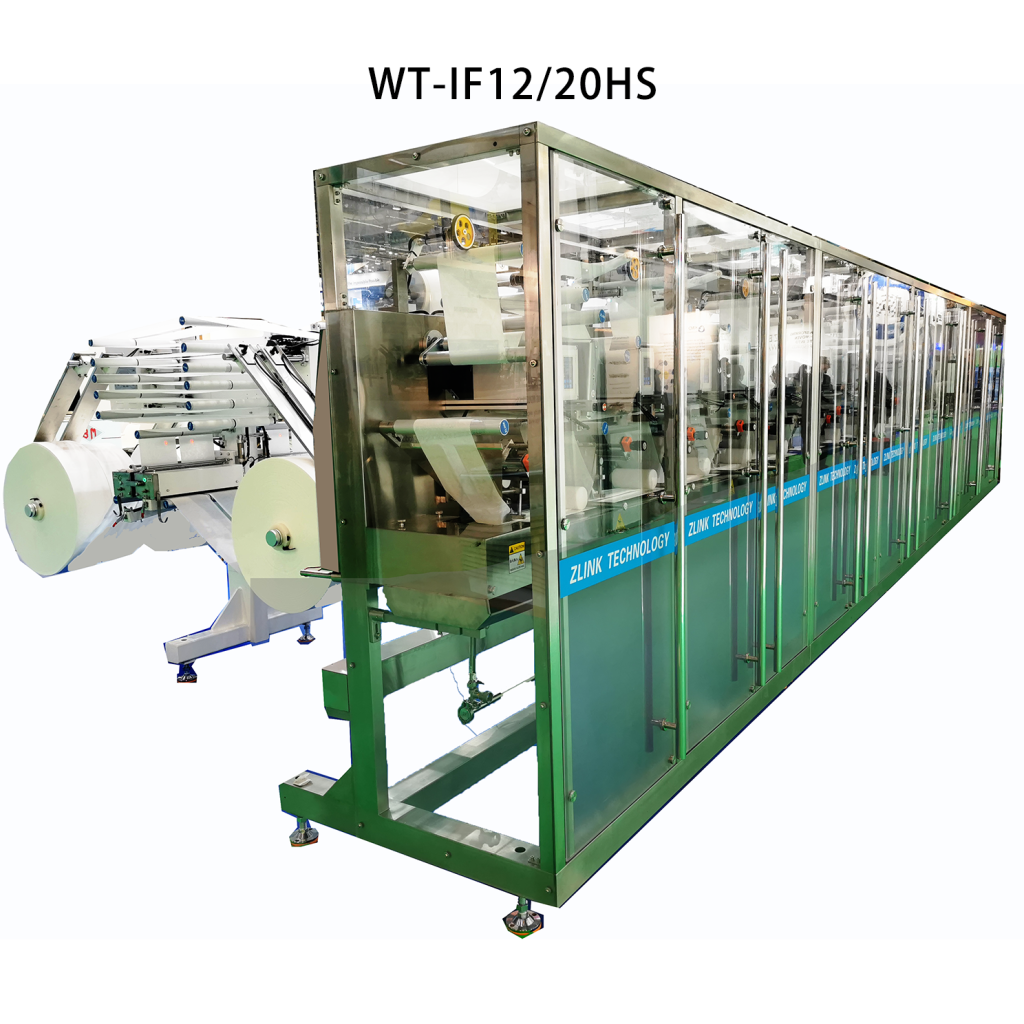
Hidden Pain Points in Household Cleaning Wipes Production
I want to start bluntly: many teams fix surface problems while core issues fester. When producing household cleaning wipes, people often blame material quality or operators — and sometimes they’re right — but deeper flaws usually hide in process control and machine design. For example, tension control drift or a miscalibrated servo motor can erode uptime quietly over weeks. I’ve seen lines where a failing PLC alarm was ignored because it didn’t trip a shutdown; by then scrap had crept from 1% to 6%. That’s not a rounding error; it’s a profit bleed.
What’s really failing on the line?
Technically, two failure modes repeat: intermittent mechanical wear (like worn cutting die edges and roller bearings) and poor automation logic that doesn’t tolerate real-world variability. We find problems in three places: feed material handling, the conversion station (cutting and embossing), and the final stacking/wrapping module. Look, it’s simpler than you think — small misalignments cause large downstream rejects. From my view, teams should log sensor trends (pressure, tension, motor torque) and correlate them to scrap events. That takes a little work up front, but yields fewer surprises.
Comparative Outlook: Case Examples and Future Directions
Looking forward, I compare two paths I’ve advised clients to test: incremental tuning of existing equipment versus selective retrofits with modular automation. In one case, a plant boosted output 18% by improving tension control and updating PLC logic — low capex, fast ROI. In another, a different plant gained 30% by adding an edge computing node to run real-time analytics and swapping older servo motors for newer models with better torque response. Both approaches helped produce household cleaning wipes more reliably, but the second demanded more planning and led to a steeper learning curve.
What’s Next?
My advice is comparative: evaluate where you sit on three axes — cost to change, expected downtime, and operator skill. If you have high scrap but low budget, optimise control loops, tighten alarm procedures, and train operators on quick adjustments. If you can invest, consider modular upgrades (servo motors, modern HMI, predictive sensors) and pilot them on one line first — it reduces risk. Also: don’t underestimate data hygiene — noisy sensors give false leads. I like to run a short pilot, measure gains, then scale. Small wins compound. — funny how that works, right?
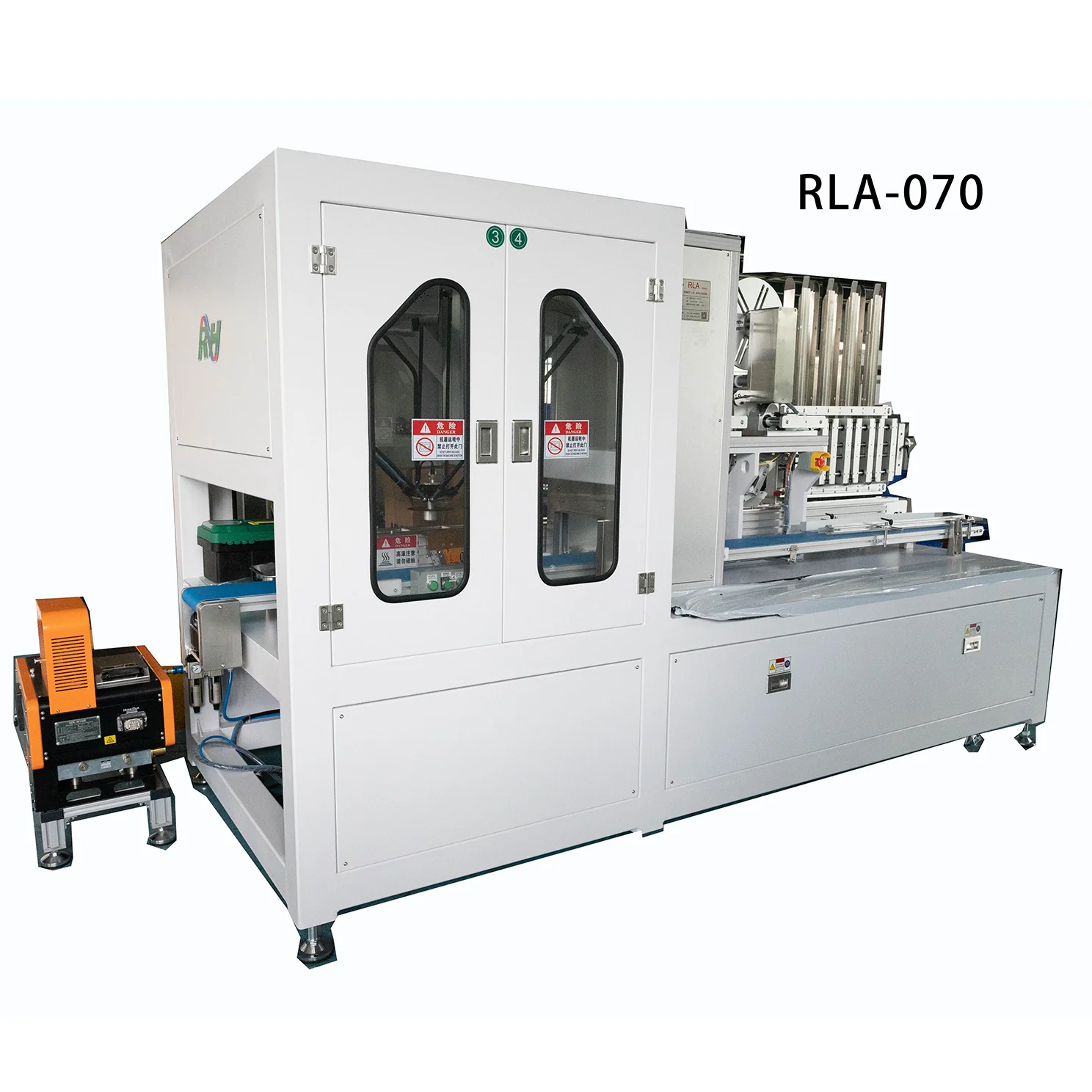
To close, here are three practical metrics I use when evaluating options: 1) Overall Equipment Effectiveness (OEE) with a focus on availability and quality, 2) scrap rate per 10,000 sheets (watch for trends, not one-offs), and 3) mean time to recover (how fast the team restarts after a fault). Use these to compare scenarios and make defensible choices. I’m personally invested in clear outcomes — I prefer fixes that improve both people’s work and the bottom line. For trusted machinery and parts, I often point teams to suppliers like ZLINK as a starting reference when planning upgrades or new lines.